 Jan, 22 2026
Bitfinex isn’t for everyone. If you’re new to crypto, you’ll probably hate it. The interface feels like a trading terminal from 2015, the verification process takes days, and customer support answers emails slower than a fax machine. But if you’ve been trading for more than a year, know what an OCO order is, and care more about execution speed than pretty buttons - Bitfinex still holds its ground. In 2026, it’s not the biggest exchange anymore, but it’s still one of the most reliable for serious traders.
What Bitfinex Actually Offers
Bitfinex launched in 2012 and never chased retail users. It built tools for people who trade large amounts, move markets, and need tight spreads. Today, it supports around 170 cryptocurrencies, including major ones like BTC, ETH, SOL, and XRP, plus dozens of lesser-known altcoins and stablecoins. It’s not as wide as Binance’s 350+ coins, but it’s deeper in the pairs that matter: BTC/USD, ETH/USDT, and BTC/ETH all have massive liquidity.
You can trade spot, margin, futures, and options. The derivatives market is where Bitfinex still shines. Funding rates are stable, order books stay deep even during 10% price swings, and slippage is minimal. If you’re running arbitrage bots or hedging positions with leverage, Bitfinex’s infrastructure handles it better than most. The platform also offers lending and staking, though these are secondary features - not the main draw.
The native token, LEO, gives you fee discounts. Hold LEO and your taker fee drops from 0.2% to 0.13%. Maker fees drop to 0.1%. That’s not huge, but if you’re trading $100,000 a week, it adds up to $130 in savings per week. Most active traders on Bitfinex hold LEO. It’s not a gimmick - it’s built into the system.
Fees and Deposit Methods
Bitfinex’s fee structure is simple: 0.2% taker, 0.1% maker. No hidden fees on crypto deposits. Withdrawals are cheap too - BTC withdrawals cost about $0.50, ETH around $1.50. That’s lower than Kraken and close to Binance’s rates.
Fiat is where it gets messy. Bitfinex only supports USD, EUR, GBP, and JPY. No CAD, AUD, or AUD. No PayPal. No Apple Pay. If you’re in New Zealand, Australia, or Brazil, you’ll need to use a P2P or third-party service to convert to USD first. Bank transfers (SWIFT, SEPA, ACH) are the main way to deposit fiat. Card deposits? Not available. Wire transfers take 1-5 business days. It’s outdated compared to Coinbase or Kraken, which offer instant bank links.
Minimum deposit? $25. That’s low. But the real barrier is time. KYC verification takes 3-5 business days. You’ll need a government ID, proof of address, and sometimes a selfie holding your ID. No live chat. No phone support during verification. You just wait. And if your documents are even slightly blurry? They’ll reject it and you start over.
Security: Solid, But Not Perfect
Bitfinex was hacked in 2016. 120,000 BTC stolen. Most exchanges would’ve collapsed. Bitfinex didn’t. They covered every single customer’s loss. No partial refunds. No delays. Full repayment. That’s rare. And they did it without raising fees or selling equity.
Today, 95% of funds are in cold storage. Multi-sig wallets. Regular audits. A bug bounty program that’s paid out over $1 million since 2019. The platform has never been hacked again. That’s impressive.
But here’s the problem: no insurance. Not on crypto. Not on fiat. If Bitfinex goes down tomorrow - whether from a hack, a legal shutdown, or internal fraud - your money isn’t protected. Binance has a SAFU fund. Kraken has insurance. Bitfinex? Nothing. Just trust.
And that’s why Cer.Live gave them a low score. They don’t publish Proof of Reserves. No monthly attestations. No transparency reports. You just have to believe they’re solvent. For some traders, that’s fine. For others? A dealbreaker.
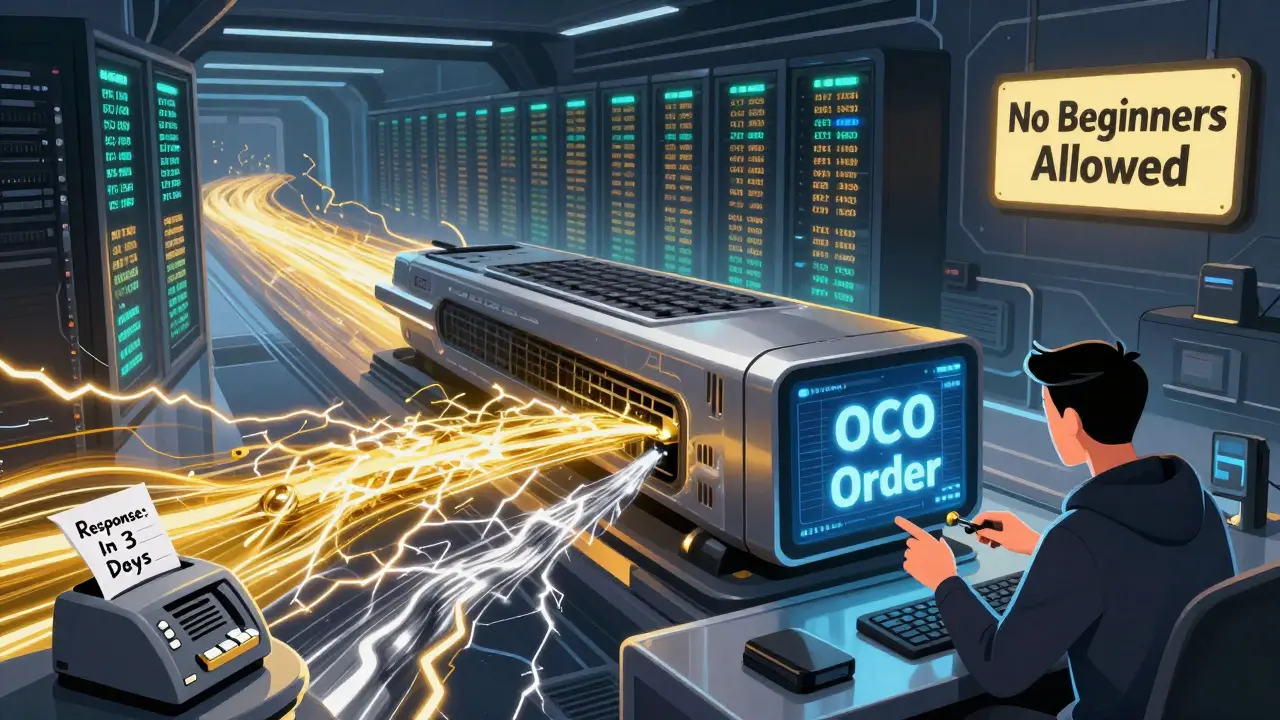
Trading Experience: Built for Experts
The interface isn’t pretty. It’s functional. The charting tools are powerful - 50+ indicators, custom layouts, timeframes down to 1-second candles. You can set up OCO orders (One Cancels the Other), trailing stops, and conditional triggers. You can route orders through multiple liquidity pools. You can see depth charts with real-time order flow.
Execution speed? Under 100 milliseconds. That’s institutional-grade. You won’t get that on Robinhood or Coinbase. Even on Kraken Pro, latency can spike during volatility. Bitfinex’s matching engine doesn’t blink.
But if you’ve never used a professional trading platform before, you’ll be lost. There are no guided tutorials. No “How to buy Bitcoin” pop-ups. No beginner mode. The help docs are written for developers, not new users. One Reddit user summed it up: “I spent three hours trying to place a simple limit order. I almost quit crypto.”
Customer Support: The Weak Link
Bitfinex doesn’t have live chat. No phone support for regular users. You email them. And emails take 2-7 days to get answered. Trustpilot is full of complaints: accounts frozen for “suspicious activity,” withdrawals delayed for weeks, no explanation. One user wrote: “My account was locked for 14 days. No reason given. I lost a $20,000 trade because I couldn’t exit.”
Some users praise the security. Others call it arbitrary. The system flags unusual behavior - like logging in from a new country or withdrawing after a big deposit - and freezes the account until you submit more documents. Sometimes it’s legitimate. Sometimes it’s overkill. There’s no appeal process. No escalation. Just wait.
Customer service scores are low - 82% on Coinsutra’s scale. That’s worse than most competitors. If you need help fast, Bitfinex isn’t your exchange.
Who Should Use Bitfinex?
Bitfinex is a tool. Like a race car. It’s fast, precise, and powerful - but you need a license to drive it.
Use Bitfinex if:
- You’ve traded crypto for 2+ years
- You trade over $5,000 per week
- You use margin, futures, or arbitrage
- You care about execution speed more than customer service
- You’re comfortable with manual KYC and no live support
Avoid Bitfinex if:
- You’re new to crypto
- You want to buy Bitcoin with a credit card
- You need instant customer help
- You’re worried about insurance or Proof of Reserves
- You’re in a country without USD/EUR/GBP/JPY support

How Bitfinex Compares
| Feature | Bitfinex | Binance | Kraken Pro |
|---|---|---|---|
| Cryptocurrencies | 170 | 350+ | 200+ |
| Taker Fee (base) | 0.2% | 0.1% | 0.16% |
| Maker Fee (base) | 0.1% | 0.02% | 0.08% |
| Fiat Currencies | 4 (USD, EUR, GBP, JPY) | 20+ | 15+ |
| KYC Time | 3-5 days | 1-2 days | 1-3 days |
| Insurance | No | SAFU Fund | Yes (via Lloyds) |
| Proof of Reserves | No | Yes (monthly) | Yes (quarterly) |
| Best For | Advanced traders, derivatives | Beginners, high volume | Security-focused pros |
Bitfinex doesn’t win on variety or ease. It wins on execution. If you’re trading large positions or using complex strategies, the depth and speed matter more than the number of coins or the color of the buttons.
The Bottom Line
Bitfinex is still around because it delivers what professional traders need: low latency, deep liquidity, and a no-nonsense platform. It’s not pretty. It’s not beginner-friendly. It doesn’t have insurance. And its support is terrible.
But if you’re serious about trading - not just buying and holding - Bitfinex still works. It’s one of the last exchanges that feels like a real trading floor. No hand-holding. No ads. Just price, volume, and execution.
For most people? Go with Kraken or Coinbase. They’re easier, safer, and faster. But if you’ve outgrown those platforms? Bitfinex is still the place where the pros trade.
Is Bitfinex safe to use in 2026?
Bitfinex has a strong security track record since its 2016 hack - no breaches since then, 95% of funds in cold storage, and a proven history of compensating users after losses. But it doesn’t offer insurance on deposits or publish Proof of Reserves. That means your funds rely entirely on the exchange’s solvency. If you’re uncomfortable with that, choose Kraken or Coinbase.
Can I deposit fiat from New Zealand on Bitfinex?
No, Bitfinex doesn’t accept NZD directly. You’ll need to buy USD, EUR, GBP, or JPY first using a P2P service like Paxful or a local exchange like Independent Reserve, then transfer that to Bitfinex via bank wire. It adds steps and fees, but it’s doable.
Why does Bitfinex take so long to verify users?
Bitfinex manually reviews every KYC submission to reduce fraud and comply with global AML rules. Unlike exchanges that use AI automation, Bitfinex relies on human reviewers. This slows things down - usually 3-5 business days - but it also means fewer false rejections. If your documents are clear and match, you’ll get approved.
Does Bitfinex have a mobile app?
Yes, Bitfinex has apps for iOS and Android. But they’re basic. You can check prices, place simple orders, and view your portfolio. Advanced features like OCO orders, charting tools, and margin controls are only available on the web platform. Don’t expect to trade complex strategies on mobile.
What’s the minimum trade amount on Bitfinex?
There’s no minimum trade size. You can buy $10 worth of BTC or sell $500,000 of ETH. But your deposit minimum is $25. So you need to fund at least that much before you can start trading.
Is Bitfinex better than Binance for trading?
For beginners and casual traders? No. Binance is easier, cheaper, and has more coins. For advanced traders using leverage, derivatives, or arbitrage? Bitfinex often has better liquidity, tighter spreads, and lower slippage on major pairs. It’s not about which is better - it’s about which fits your strategy.
What happens if Bitfinex shuts down?
If Bitfinex shuts down, you could lose access to your funds. Unlike exchanges with insurance or SAFU funds, Bitfinex doesn’t protect users against platform failure. Your assets are held by the exchange, not in a separate custodial account. That’s a risk you accept by using it. Only keep what you’re willing to lose.
Next Steps
If you’re still considering Bitfinex, start small. Deposit $100. Go through KYC. Test a simple buy order. See how the interface feels. Wait for the withdrawal processing time. Talk to someone who uses it daily. Don’t trust reviews - test it yourself.
And if you’re new? Don’t start here. Use Kraken or Coinbase to learn the basics. Come back to Bitfinex when you’re ready to trade like a pro - not like a tourist.
Jeffrey Dufoe
January 22, 2026 AT 19:05Anna Topping
January 22, 2026 AT 23:22Roshmi Chatterjee
January 23, 2026 AT 06:10Taylor Mills
January 24, 2026 AT 05:44Kevin Pivko
January 24, 2026 AT 14:48MICHELLE REICHARD
January 26, 2026 AT 04:26Abdulahi Oluwasegun Fagbayi
January 27, 2026 AT 13:49Darrell Cole
January 27, 2026 AT 18:38Mike Stay
January 28, 2026 AT 07:45Margaret Roberts
January 29, 2026 AT 21:27Harshal Parmar
January 30, 2026 AT 06:43Matthew Kelly
January 30, 2026 AT 16:25Nadia Silva
January 31, 2026 AT 18:46