 May, 15 2026
Missing out on a major airdrop because you didn’t understand the mechanics is one of the most expensive mistakes in crypto. The DeSpace Protocol, a multifunctional DeFi and NFT aggregator, has been generating buzz with its Space Drop airdrop campaign for its native DES token. But here is the hard truth: specific details like exact snapshot dates, individual allocation amounts, and precise claim windows are often fluid or not fully publicized until the final stages.
Rather than guessing, let’s break down exactly what DeSpace Protocol is, how their ecosystem works, and the proven strategies to ensure you qualify for any DES distribution. This guide cuts through the noise and focuses on actionable steps to maximize your potential yield.
What Is DeSpace Protocol?
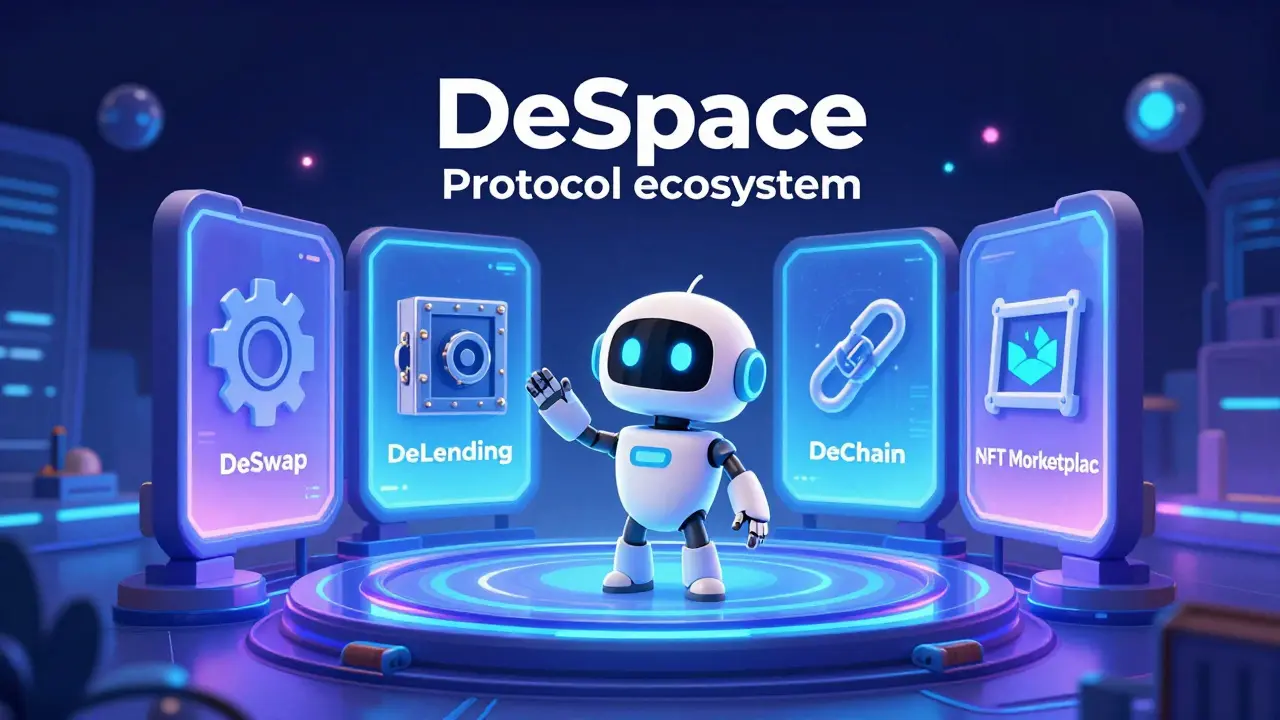
To understand the value of the DES token, you first need to understand the platform backing it. DeSpace Protocol is a next-generation DeFi and NFT aggregator designed to unify complex financial tools into a single interface. It doesn’t just sit on top of existing chains; it bridges them.
The protocol solves fragmentation. Instead of jumping between five different apps to swap tokens, lend assets, and trade NFTs, DeSpace aggregates these functions. This aggregation creates utility for the DES token, which acts as the governance and reward mechanism within this ecosystem.
| Component | Function | Key Feature |
|---|---|---|
| DeSwap | Cross-chain DEX | AMM protocol with limit orders and staking margins |
| DeLending | Loan Platform | Interest-generating loans backed by frozen assets (MakerDAO model) |
| DeChain | Blockchain Aggregator | Leverages multiple blockchains via a single interface |
| NFT Marketplace | Asset Trading | Buy, sell, stake, and swap NFTs with cross-platform integration |
Understanding the "Space Drop" Mechanics
Airdrops like the Space Drop are rarely random giveaways. They are marketing and liquidity events disguised as rewards. For DeSpace, the Space Drop is tied directly to user activity within their aggregated ecosystem.
Unlike simple "follow us on Twitter" airdrops, DeSpace requires engagement. The core mechanic revolves around yield farming and liquidity provision. When you provide liquidity to DeSwap pools or borrow against assets in DeLending, you generate metrics that the protocol tracks. These metrics determine your eligibility for DES token distributions.
Here is how the typical flow works for this type of campaign:
- Snapshot Period: The protocol takes a record of active wallets at specific intervals.
- Activity Calculation: Your transaction volume, locked capital, and duration of participation are calculated.
- Token Allocation: DES tokens are allocated based on a multiplier system (more activity = higher multiplier).
- Claim Window: Users must connect their wallet and sign transactions to claim the tokens before they expire.
Because specific dates change, you cannot rely on static information. You must monitor the official channels for the current snapshot cycle.
How to Qualify for the DES Airdrop
If you want to secure your spot in the Space Drop, you need to act like an early adopter, not a passive observer. Here are the concrete steps to maximize your chances.
1. Connect a Multi-Chain Wallet
DeSpace operates across multiple chains via DeChain. Ensure your wallet-likely MetaMask or Trust Wallet-is configured to interact with the networks supported by DeSpace (often Ethereum, BSC, or Polygon). Switching networks incorrectly can lead to failed transactions and missed snapshots.
2. Provide Liquidity on DeSwap
This is the highest-yield activity. Go to the DeSwap section and add liquidity to stable pairs or high-volume trading pairs. The longer your liquidity remains locked, the more likely you are to be included in a favorable snapshot. Look for pools labeled "Airdrop Eligible" or similar tags.
3. Engage with DeLending
Borrowing assets generates interest and demonstrates protocol usage. By locking collateral and borrowing stablecoins, you prove you are using the platform for real financial needs, not just farming. This behavior is heavily weighted in algorithmic airdrop distributions.
4. Hold or Trade NFTs
Since DeSpace integrates an NFT marketplace, holding relevant NFTs or completing swaps there may trigger additional bonus multipliers. Check if any specific collections are whitelisted for extra DES rewards.
Security First: Avoiding Airdrop Scams
Airdrop season brings scammers. With the hype around DeSpace, fake sites claiming to offer "early claims" or "guaranteed bonuses" will appear. Protect yourself with these rules:
- Never share your seed phrase. Legitimate protocols never ask for this.
- Verify the URL. Only use the official DeSpace domain. Check for subtle misspellings.
- Use a burner wallet. If possible, fund a secondary wallet specifically for interacting with new protocols. Keep your main holdings separate.
- Check contract approvals. Before claiming, use tools like Revoke.cash to ensure you aren’t granting unlimited spending power to unknown contracts.
Current Status and Where to Find Updates
As of May 2026, the specific timeline for the latest Space Drop phase is subject to change. Crypto projects frequently adjust parameters based on market conditions and total supply constraints. Do not trust third-party blogs for exact dates.
Your primary sources of truth must be:
- Official Website Announcements: Check the "News" or "Blog" section of the DeSpace site.
- Twitter/X Account: Follow the verified DeSpace handle for real-time updates on snapshot starts and ends.
- Discord Community: Join the official server. Moderators often post reminders about upcoming claim windows.
- Block Explorers: Monitor the smart contract addresses for large movements or new deployments that might signal a launch.
Why DES Token Matters
Understanding the utility helps you decide whether to hold or sell after claiming. The DES token is not just a speculative asset; it powers the ecosystem.
Holders can use DES for:
- Governance: Voting on fee structures, new chain integrations, and partnership decisions.
- Fee Discounts: Paying trading fees on DeSwap with DES often results in reduced costs.
- Staking Rewards: Staking DES in the protocol yields additional DES or other partner tokens.
This utility creates a demand loop. As more users join DeSwap and DeLending, the need for DES increases, potentially supporting the token price post-airdrop.
Troubleshooting Common Issues
If you think you qualified but see zero balance, check these common pitfalls:
Wrong Network: Did you perform actions on BSC but try to claim on Ethereum? Ensure your wallet is on the correct network specified in the announcement.
Insufficient Activity: Small transactions may not meet the minimum threshold. Review the "Minimum Qualification" criteria in the official docs.
Expired Claim Window: Airdrops have deadlines. If you missed the window, the tokens are usually burned or returned to the treasury. There is no "late claim" button.
Is the DeSpace Space Drop free to participate?
Participation in the eligibility phase is typically free, but you need funds to provide liquidity or borrow assets on DeSwap and DeLending. You spend gas fees for transactions, so it is not entirely cost-free. However, you do not pay a direct fee to "enter" the airdrop.
When can I claim my DES tokens?
Claim dates are announced only when the snapshot period closes. You must watch the official DeSpace social media channels and website for the specific start date. Claims usually open for a limited window (e.g., 7-14 days).
Which wallets are supported for the DeSpace airdrop?
Most non-custodial wallets like MetaMask, Trust Wallet, and WalletConnect-compatible apps are supported. Custodial exchanges (like Binance or Coinbase) generally cannot receive airdrops directly because you do not control the private keys.
Can I increase my allocation amount?
Yes. Most airdrop algorithms use multipliers. Increasing your liquidity depth, extending your lock-up time, and engaging with multiple ecosystem components (DeSwap, DeLending, NFT Market) will increase your multiplier and thus your DES allocation.
Is DeSpace Protocol audited?
Reputable DeFi protocols undergo security audits from firms like CertiK or Hacken. Always check the DeSpace website for their latest audit reports before depositing significant funds. Security is paramount when interacting with smart contracts.