 Mar, 31 2026
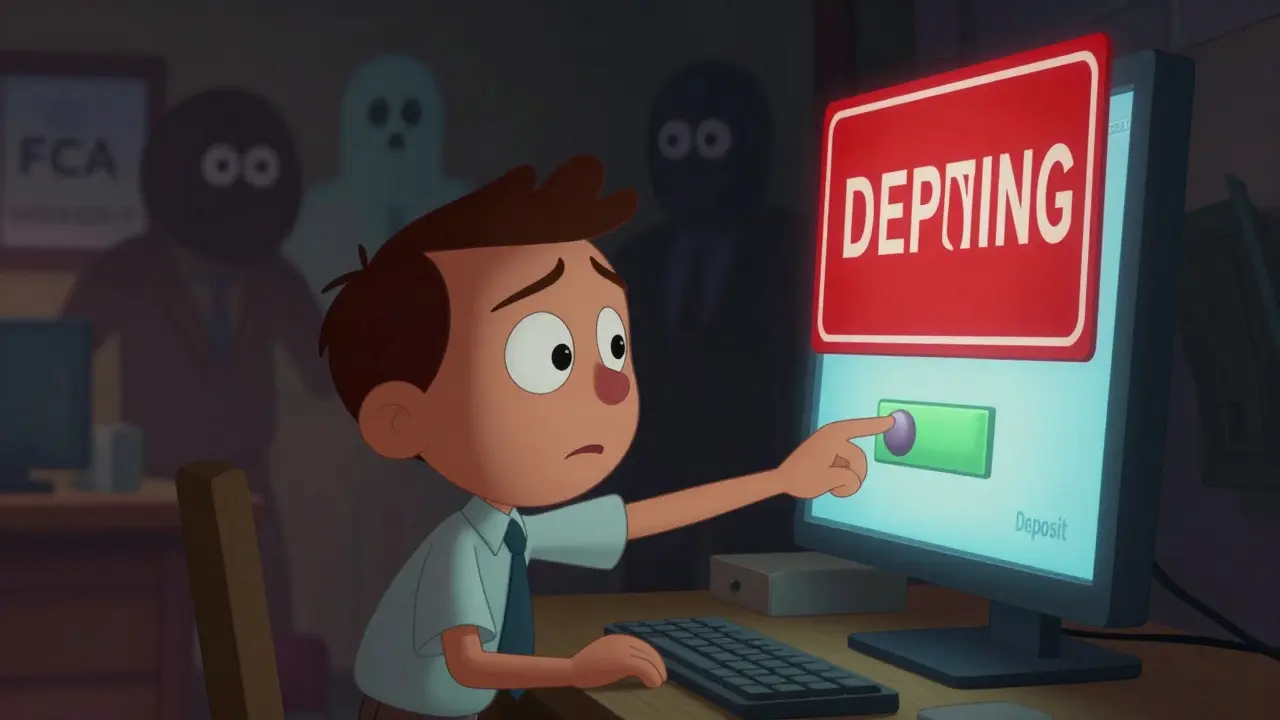
Would you put your life savings on a trading platform that regulators have officially warned against? That's the reality with LYOTRADE, also known as LioTrade-a cryptocurrency exchange operating from Saint Vincent and the Grenadines. Recent analysis reveals concerning patterns around its regulatory compliance, user experience, and fund security that every trader needs to understand before depositing even $1.
The Regulatory Problem Nobody Talks About
Most crypto reviews focus on features and fees-but let's talk about what actually matters when things go wrong. The UK's Financial Conduct Authority (FCA) has explicitly flagged LioTrade as an unregulated broker that lacks proper financial oversight. This isn't just bureaucratic jargon-it means there's zero government protection if the platform freezes withdrawals or disappears overnight. Compare that to exchanges like Coinbase, which maintains licenses in the US, EU, and UK while segregating customer funds and contributing to industry-standard insurance programs.
Operating from Saint Vincent and the Grenadines places LYOTRADE in a jurisdiction notorious for limited financial transparency. The country's registration laws don't require brokers to prove operational history or maintain capital reserves. This creates a dangerous scenario: your money could be commingled with company funds, leaving nothing left to recover if the business collapses.
What Users Actually Experience
Behind flashy marketing promises lie consistent complaints documented across review platforms. Here's what real traders report:
- Withdrawals taking 7-14 days despite instant deposit processing
- Trading delays during volatile market movements costing thousands in missed opportunities
- Custodial wallets showing balances that don't match blockchain verification tools
- Customer support responses arriving 3-5 days after initial contact
These aren't isolated incidents-they're systemic issues pointing to inadequate infrastructure investment. Remember that California Department of Financial Protection and Innovation's Crypto Scam Tracker documents similar patterns with offshore exchanges using identical tactics.
Platform Limitations Beyond Regulation
While beginners might appreciate the simple interface, experienced traders will hit walls quickly:
| Feature | LioTrade Status | Industry Standard |
|---|---|---|
| API Access | No public API documentation | REST/WebSocket APIs available |
| Advanced Orders | Basic limit/market only | Stop-loss, trailing stops, OCO orders |
| Transaction History | Exportable data unavailable | CSV/PDF statements with audit trail |
The missing tools matter more than they appear. Without proper API access, algorithmic traders can't automate strategies. No exportable transaction history complicates tax reporting-something regulators increasingly require globally.

Better Alternatives for Real Traders
Legitimate exchanges prioritize two non-negotiables: verified licenses and transparent operations. Consider these benchmarks when evaluating platforms:
- Regulatory licenses visible on official website footer (not hidden in T&Cs)
- Published quarterly proof-of-reserves audits by independent firms
- Self-custody options through hardware wallet integrations
- 24-hour response time guarantees for support tickets
- Fully segregated customer accounts legally required by local law
Major players like Binance and Bybit now offer geographic-specific licensing while maintaining core functionality. Their regulatory footwork may slow adoption in some regions, but it protects billions in daily trading volume.
Is LYOTRADE licensed in my country?
No. The platform operates under Saint Vincent and the Grenadines registration which doesn't grant licenses recognized by major economies like the US, EU, Japan or Australia. Always verify current status at your national financial regulator's online database.
Can I withdraw crypto directly to my personal wallet?
Users report inconsistent success with external withdrawals. Official documentation states standard processing times but omits blockchain verification steps. Test small amounts first before larger transfers.
Why does the FCA warn against this platform?
Unregistered entities offering financial services without meeting minimum capital, governance or consumer protection standards. The warning appears alongside other unscrupulous platforms targeting retail investors.
Are user funds truly segregated?
No public evidence exists proving segregation practices. Regulated exchanges publish annual attestation reports from Big Four accounting firms demonstrating clear separation between operational and client funds.
How do I find safer crypto exchanges?
Prioritize platforms displaying active licenses on their website footer, published third-party security audits, membership in industry watchdog groups like FSISDA, and verifiable customer complaint records below 1% annually.
Lisa Walton
April 1, 2026 AT 12:41LioTrade's so unregulated even my grandma knows better.
Don't touch this junk unless you enjoy gambling your rent money away.
Katrina Tate
April 2, 2026 AT 04:27The FCA warnings aren't just paperwork-they're red flags screaming danger.
I've seen too many people get burned chasing quick gains.
Stick to regulated brokers who actually care about your funds.
Liam Robertson
April 3, 2026 AT 03:48Look, I get why newbies pick risky platforms-it's tempting when returns look flashy.
But think long-term: licensed exchanges protect your blood sweat and tears.
Your money deserves better than Saint Vincent loopholes.
Ashley Stump
April 4, 2026 AT 03:30This whole setup stinks of a rugpull waiting to happen.
Saint Vincent laws are basically a joke.
They'll vanish with your coins before you can blink.
Disha Patil
April 5, 2026 AT 12:49Ugh the horror stories give me nightmares.
Last week a friend lost everything overnight.
I'm scared just thinking about trusting any offshore exchange now.
Callis MacEwan
April 7, 2026 AT 01:55From a DeFi perspective, their lack of API integration is a massive bottleneck.
Smart contract audits prove nothing when custodial controls remain opaque.
Institutional-grade security demands more than marketing fluff.
Alex Kuzmenko
April 7, 2026 AT 17:34I tried withdrawing once took forever support never replied
Just stick with binance ok they dont scam peeps
Elizabeth Akers
April 9, 2026 AT 05:50seen similar issues elsewhere-always choose verified licenses with third-party audits.
Alex Lo
April 11, 2026 AT 02:17Okay hear me out because i really dug into this and honestly its super frustrating how people keep ignoring basic compliance markers when evaluating exchanges like liotrade
im not saying go jump into anything random either but lets face reality most altcoins fail anyway so at least use a platform that doesnt play russian roulette with your savings account especially considering how fca flagged them explicitly for operating outside proper regulatory frameworks which should be obvious red flag number one before anyone touches such sketchy setups
plus withdrawal delays arent normal right delays mean liquidity issues or worse outright theft attempts which nobody deserves in crypto markets already so volatile without added risks from shady operators pretending to be legit while lacking essential api documentation or transaction history exports needed for tax reporting purposes globally nowadays
i mean come on basic features missing like this show blatant negligence towards trader needs not some fancy ui tricks beginners fall for easily but advanced users quickly realize its a dead end wasting precious time instead of focusing on real opportunities elsewhere with proper infrastructure support available through established players offering geographic licensing solutions balancing both innovation and safety measures effectively protecting everyone involved including everyday folks trying navigate this messy landscape responsibly
Jay Starr
April 11, 2026 AT 10:47Another day another crypto caution tale.
My portfolio bleeds red whenever I see unlicensed platforms promoted casually.
Matt Bridger
April 12, 2026 AT 17:06The regulatory vacuum surrounding LYOTRADE represents an unacceptable dereliction of fiduciary duty.
Prudent investors demand adherence to ESMA guidelines absent such governance structures one cannot reasonably entrust assets to entities prioritizing profit margins over consumer protection protocols inherent in established financial ecosystems.
Lisa Miller
April 12, 2026 AT 17:29Alex makes solid points here! It's scary but knowledge is power.
Switching to Coinbase gave me peace of mind after reading their Q1 audit reports.
We can do better together!
Joy Crawford
April 13, 2026 AT 08:48oh god yes same thing happened to my cousin last year 😢
now she's traumatized every time she checks her wallet balance
Beverly Menezes
April 14, 2026 AT 00:32Maybe not all offshore exchanges are evil but yeah this one screams trouble
Always check your local regulator database first its a free tool
Michael Nadeau
April 14, 2026 AT 06:33The philosophical implication of decentralized finance is compelling yet paradoxically undermines itself through reliance on centralized custody models.
True autonomy requires self-sovereign wallets not third-party intermediaries posing as bridges between traditional finance and blockchain technology.
One must consider whether convenience ever justifies surrendering control over one's digital assets permanently.
Ronald Siggy
April 15, 2026 AT 18:34Here's your action plan: verify licenses via official government portals daily.
Never deposit more than 5% of holdings into any single platform.
Track industry watchdog group memberships actively.
Stay vigilant stay protected.
Zackary Hogeboom
April 16, 2026 AT 12:05Makes sense but smaller traders might struggle navigating those dense legal documents though.
Still better than losing everything overnight apparently.