 Jan, 6 2026
Sweden used to be one of the easiest places in Europe to mine Bitcoin. Cheap hydroelectric power, freezing winters, and a 98% tax break on energy costs made it a magnet for miners. By 2022, over 150 megawatts of mining hardware were running in the north - mostly in places like Luleå and Kiruna, where the cold kept servers cool and the grid ran on clean water power. Then, in July 2023, everything changed. The government didn’t just remove the tax break. It slapped on a 6,000% energy tax increase. Overnight, mining became mathematically impossible.
What Changed in Sweden’s Crypto Mining Rules?
Before 2023, Sweden treated data centers like gold. The 98% tax reduction on electricity was meant to lure tech giants - Microsoft, Amazon, Facebook - to build data centers. It worked. But when cryptocurrency miners started showing up, using the same infrastructure, the government didn’t see tech innovation. They saw a power drain with no local jobs, no factories, no tax revenue beyond mining fees. And they decided to shut it down. The new energy tax jumped from SEK 0.006 per kilowatt-hour to SEK 0.36. That’s not a small hike. It’s a nuclear option. For a miner running a 1-megawatt facility - roughly 3,000 ASICs - the monthly electricity bill went from $4,300 to over $260,000. Even the most efficient miners using the latest Bitmain S21 chips couldn’t cover costs. At Bitcoin’s price in mid-2023 ($30,000), the profit margin vanished before taxes. After taxes? You’d be losing money even if Bitcoin hit $100,000.Why Sweden Targeted Crypto Mining - Not Other Data Centers
This wasn’t about energy use. It was about who used it. Microsoft’s cloud servers? Still getting the same low rates. Amazon’s AWS? Still subsidized. But crypto miners? Treated like parasites. The Swedish government’s reasoning was blunt: crypto mining creates zero jobs. No engineers on-site. No local contractors. No supply chain. Just machines sucking power and shipping profits overseas. In 2018, during the last crypto crash, several mining companies vanished overnight - leaving unpaid energy bills that disrupted regional grids. That left a bitter taste. When the energy crisis hit after Ukraine, the government didn’t ask miners to cut back. They asked them to leave. The policy wasn’t framed as a ban. It was framed as “fiscal responsibility.” But the effect? Total industry collapse.What Happened to the Miners?
By October 2023, nearly every commercial mining operation in Sweden had shut down or packed up. Some sold their rigs for scrap. Others shipped them to Kazakhstan, Texas, or Canada - places where electricity still costs under $0.04 per kWh. One operator in northern Sweden told industry media he spent $80,000 to move 400 miners to Georgia. The hardware was worth $120,000. After shipping, taxes, and downtime, he broke even. Another company liquidated its entire fleet at auction for 30% of its original value. The equipment was brand new - less than a year old. The stranded assets were massive. Specialized cooling systems, reinforced floors, dedicated transformer stations - all built for mining - now sit empty. Some are being converted into AI server farms. Others are just rotting.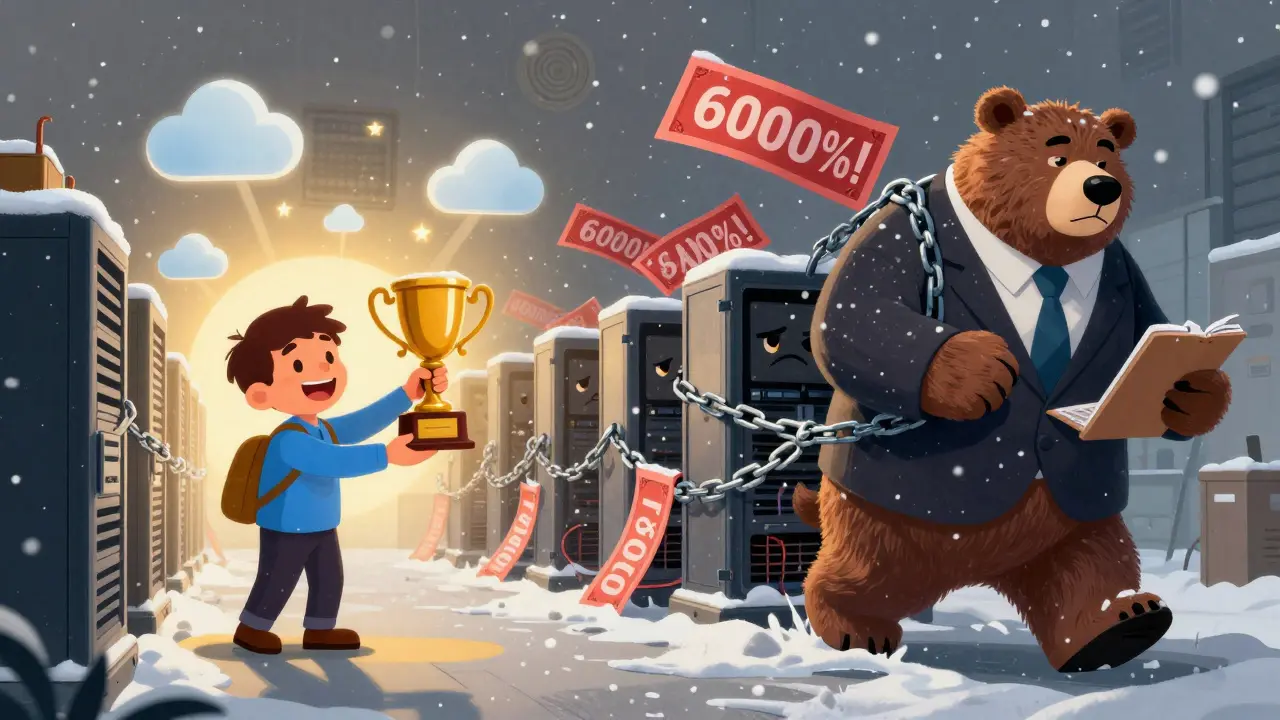
How This Compares to Other Countries
Sweden didn’t just raise taxes. It became the most hostile country in the world for crypto mining. - Norway: Still offers low hydropower rates. Miners still operate there. No extra tax. - Canada: Alberta and Quebec actively offer subsidized power to attract miners. - Texas: Utilities pay miners to use power during off-peak hours. Some get paid to mine. - Kazakhstan: After Russia’s invasion, miners flooded in. Electricity still costs $0.02-$0.03/kWh. - El Salvador: Uses volcanic geothermal power. Government even gives Bitcoin to miners as incentives. Sweden’s tax rate is more than double the next-highest in Europe. Finland? No extra tax. Germany? No special crypto mining tax. Even France, which hates crypto, doesn’t tax mining energy differently.Did Sweden’s Move Work?
Yes. By the end of 2023, Sweden’s mining capacity dropped from 150 MW to under 5 MW - mostly small hobby rigs. No large-scale operations remain. The government claims victory. They say the energy grid stabilized. Local utilities no longer have to plan for sudden spikes in demand. They say the policy was “clean and decisive.” But here’s the catch: the energy saved by killing mining was tiny. Sweden’s total electricity use is 140,000 GWh per year. Mining used about 1,300 GWh. That’s less than 1%. The real win? Political optics. The government looked tough on “wasteful” tech. They didn’t care if it killed an industry - they cared about the message.
What This Means for the Future
Sweden’s move is now a case study. Other countries are watching. Belgium is considering similar taxes. The EU is debating a mining energy cap. But no one has gone this far. The lesson? Tax policy can kill an industry faster than regulation. You don’t need a ban. Just make it impossible to profit. Miners aren’t gone forever. They just moved. And they’re building bigger, more efficient operations in places where power is cheap and rules are clear. Sweden didn’t stop crypto mining. It just exported it.What If You’re Still Mining in Sweden?
If you’re running a small rig at home - say, 5 kW - you might still squeak by. But you’re not making money. You’re paying for the hobby. Most miners who stayed did it for ideological reasons. Or because they couldn’t afford to move. There’s no legal workaround. The tax applies to any facility using more than 10 kW for mining. No gray area. No exemptions. Even if you claim you’re “running a server farm,” auditors can check your hardware. If it’s ASICs? You’re taxed as a miner. The only legal path? Stop mining. Convert your facility to something else. AI training. Cloud hosting. Rendering farms. Anything but Bitcoin.Is crypto mining still legal in Sweden?
Yes, it’s still legal. But it’s not profitable. Sweden didn’t ban mining - it made it impossible to earn money from it. The energy tax is so high that even the most efficient mining hardware loses money after paying bills. Most miners left. A few hobbyists still run small rigs, but they’re not making a profit.
Why did Sweden target crypto mining but not other data centers?
Because crypto mining doesn’t create local jobs, tax revenue, or long-term economic value. Tech giants like Microsoft and Amazon bring engineers, contractors, and supply chains. Crypto miners bring machines and wires. The government saw them as energy sponges with no return. After a few mining companies vanished without paying bills in 2018, trust was gone.
How much did the energy tax increase?
From SEK 0.006 per kWh to SEK 0.36 per kWh - a 6,000% jump. For a 1-megawatt mining farm, that meant monthly electricity costs jumped from $4,300 to over $260,000. No mining operation, even with the latest hardware, could survive that.
Where did Swedish miners go after leaving?
Most moved to Kazakhstan, Texas, Canada (especially Quebec and Alberta), and Georgia. These places offer cheaper electricity, stable regulations, and sometimes even incentives. Some miners shipped their equipment. Others sold it and started fresh.
Can you still buy mining equipment in Sweden?
Yes. You can still buy ASICs, power supplies, and cooling gear. But there’s no market for used mining hardware anymore. Most shops stopped stocking it. Auctions are the only place to find second-hand rigs - and prices are low because no one wants to run them.
Did Sweden’s policy hurt its energy grid?
No. In fact, it helped. Mining operations were sudden, large energy users that caused grid instability during peak hours. When they left, utilities saw smoother demand curves. The energy saved was small - less than 1% of national use - but the predictability improved.
Is Sweden’s approach being copied elsewhere?
Yes. The EU is studying it. Belgium, France, and the Netherlands are considering similar energy taxes on crypto mining. But so far, no other country has gone as far. Sweden’s move is seen as extreme - but effective. It’s now a textbook example of how to kill an industry with taxes, not laws.
Don Grissett
January 8, 2026 AT 04:34Sweden just taxed crypto miners into oblivion and called it fiscal responsibility. Meanwhile, Microsoft gets subsidized power to run Azure and nobody bats an eye. Classic double standard. They didn't kill mining because it used too much energy-they killed it because it didn't bring politicians any campaign donors.
Katrina Recto
January 9, 2026 AT 04:45Miners weren't the problem. The system was. Companies that leave no trace, pay nothing, and vanish when the price drops? That's not innovation. That's extraction. Sweden did the right thing.
Veronica Mead
January 9, 2026 AT 14:11It is an incontrovertible fact that cryptocurrency mining constitutes a non-productive, non-value-adding, and environmentally irresponsible utilization of finite energy resources. The Swedish government’s decision to implement a punitive energy tax structure is not only fiscally prudent but ethically imperative. One cannot moralize about sustainability while operating hardware that generates no tangible societal benefit beyond speculative financial gain.
Ritu Singh
January 10, 2026 AT 02:01They didn't do this because of energy... they did it because the deep state is scared of decentralized money. The same people who gave us central bank digital currencies are now terrified of a system they can't control. Watch how fast they ban home mining next. This is the first step toward total financial surveillance. 💡👁️
Rahul Sharma
January 11, 2026 AT 17:34Swedish miners moved to Kazakhstan and Texas. Good for them. Energy is energy. If you have cheap power, use it. But Sweden’s move was smart. Why let outsiders drain your grid for zero jobs? 🤔⚡
Gideon Kavali
January 13, 2026 AT 10:07Sweden is a socialist wasteland that hates freedom, innovation, and hard work. This is what happens when you let bureaucrats decide what industries deserve to live. America should never follow this fascist energy policy. We protect entrepreneurs-not punish them. This is why the U.S. will dominate the next decade. 💪🇺🇸
Allen Dometita
January 14, 2026 AT 06:20So miners left... and now the data centers are turning into AI farms. Huh. Guess the machines just got smarter. 🤖💸
greg greg
January 15, 2026 AT 11:04It's fascinating how the Swedish government framed this not as a ban but as a fiscal adjustment-because legally, it wasn't a prohibition, it was a taxation mechanism so extreme it rendered the activity economically nonviable, which is functionally equivalent to prohibition but avoids the constitutional and political baggage of outright banning a technology, which raises questions about whether such a policy constitutes a regulatory taking under property rights frameworks, especially since the infrastructure was built in good faith under existing incentives, and now the state has effectively confiscated capital investment through retroactive fiscal policy that disproportionately targets one class of energy consumer while preserving subsidies for corporate entities with political influence, which raises broader questions about equity, regulatory capture, and the erosion of trust in institutional predictability for private enterprise.
jim carry
January 16, 2026 AT 17:05You all are missing the point. The real winners? The guys who sold their ASICs for scrap and bought Tesla stock. That’s the real crypto hustle.