Blockchain Assets: What They Are and How They Move Value Across Chains
When you hear blockchain assets, digital tokens or tokens representing ownership on a blockchain network. Also known as crypto assets, they’re not just digital money—they’re programmable claims on value that can be sent, locked, traded, or used as collateral without banks. Think of them like digital deeds: you own them, you control them, and you can move them from one chain to another in seconds.
These assets aren’t stuck on one network. A token on Ethereum can end up on Binance Smart Chain, Polygon, or Solana through bridges or wrapped versions. That’s why DeFi, a system of financial apps built on blockchain that lets you lend, borrow, and trade without intermediaries depends so heavily on them. If you lock your ETH in a DeFi protocol, you’re not just holding a coin—you’re using a blockchain asset to earn interest, borrow stablecoins, or trade for something else. And if that asset’s value drops too fast? You get liquidated. That’s why picking the right collateral matters more than chasing hype.
Not all blockchain assets are created equal. Some, like Bitcoin or Ethereum, have deep liquidity and real use cases. Others? They’re just names on a list with zero trading volume and no community. You’ll find both in the posts below—real examples of assets that moved value, and ones that vanished overnight. Some were part of airdrops that promised free NFTs but delivered nothing. Others were tokens tied to games that died when the developers disappeared. And then there are the ones that changed how people in Nigeria, Cuba, or the UK access money without banks. This isn’t theory. It’s what’s happening right now.
What you’ll find here aren’t fluff pieces. These are real breakdowns of what works, what doesn’t, and why. Whether it’s understanding how block rewards keep networks alive, why SEC fines spiked in 2024, or how a dead meme coin still shows up on price trackers—you’ll see the patterns. Blockchain assets move. Sometimes they grow. Sometimes they vanish. The key is knowing the difference before you touch them.
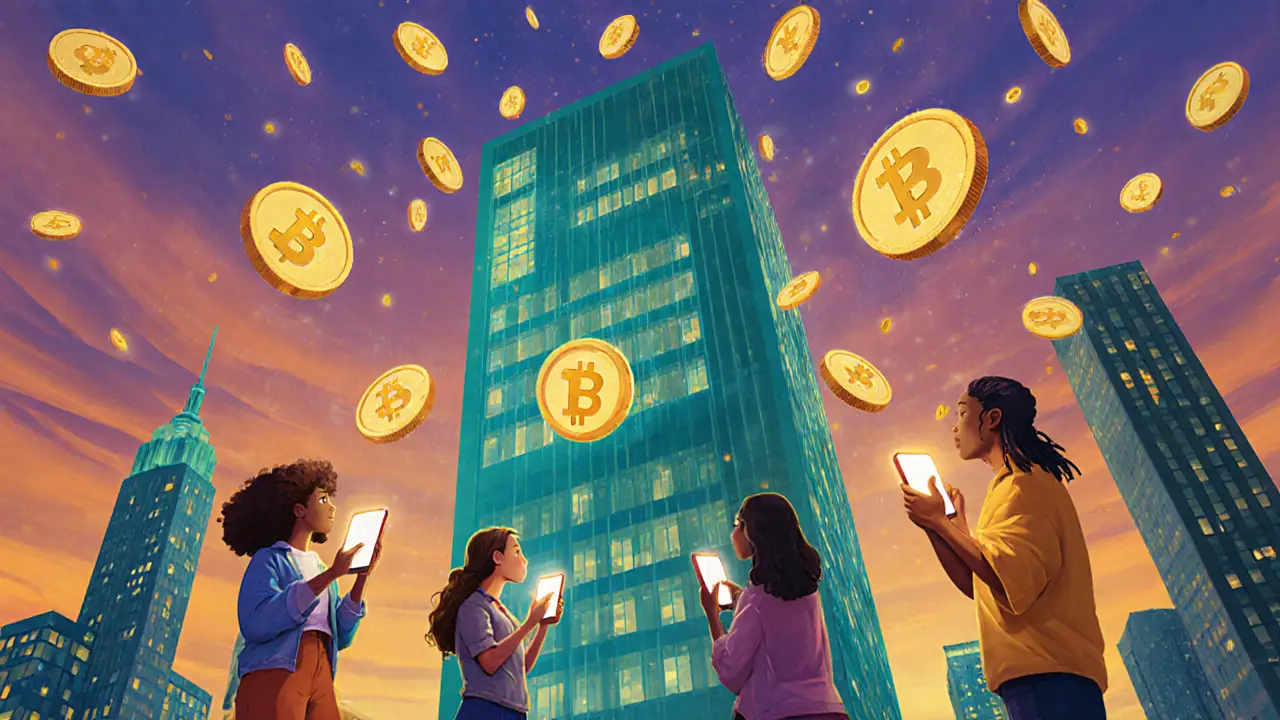
Future of Real World Asset Tokenization: How Blockchain Is Changing Ownership
Real world asset tokenization is turning physical assets like real estate and gold into digital tokens on blockchain, enabling fractional ownership and 24/7 trading. With $24B already tokenized, it's reshaping how we invest.