Blockchain Game: Play-to-Earn NFTs, Tokens, and Real Money in Crypto Games
When you hear blockchain game, a digital game where in-game assets are owned by players as NFTs on a public ledger. Also known as crypto gaming, it turns time spent playing into real-world value—whether through tokens you can trade, NFTs you can sell, or rewards you can cash out. This isn’t just about fun anymore. It’s about ownership. In traditional games, your character skins, weapons, or land are locked inside the game’s server. In a blockchain game, those items live on the blockchain. You own them. You can move them. You can sell them. That’s the shift.
Most Play-to-Earn, a model where players earn cryptocurrency or NFTs by completing in-game tasks. Also known as earn-to-play, it’s the engine behind many blockchain games. projects like Ertha, a blockchain game where players buy digital plots of real-world land as NFTs. or PandoLand, a short-lived game that gave away $1,000 in tokens to early players. promise you’ll get paid just for logging in. But here’s the catch: most of them collapse fast. The token price crashes. The community vanishes. The game stops updating. You’re left holding digital junk. That’s why some blockchain games are revolutionary, and others are just flashy scams dressed up as innovation.
It’s not just about earning. It’s about what you’re earning. NFT game, a game built around non-fungible tokens that represent unique in-game items. assets—like a rare sword or a piece of virtual land—are supposed to hold value because they’re scarce. But if the game doesn’t have real players, or if the developer can mint unlimited copies, then the NFT is just a JPEG with a blockchain address. The best ones, like the Lepasa Polqueen NFT, 3D characters that grant access to a metaverse and can be used for upgrades., actually have utility inside the game world. They’re not just collectibles. They’re keys.
What you’ll find in this collection aren’t hype pieces. They’re real breakdowns. You’ll see how blockchain game projects like Ertha and PandoLand actually worked—or failed. You’ll learn why some NFT drops, like the SHIBAFRIEND airdrop, look exciting but deliver little. You’ll find out which games still have active players, and which ones are dead, like SoupSwap’s failed attempt at gaming. You’ll see how the same tech that powers DeFi loans and tokenized real estate is being used to sell virtual land, weapons, and characters. And you’ll learn how to tell the difference between a game that’s building something real, and one that’s just trying to cash in before it disappears.
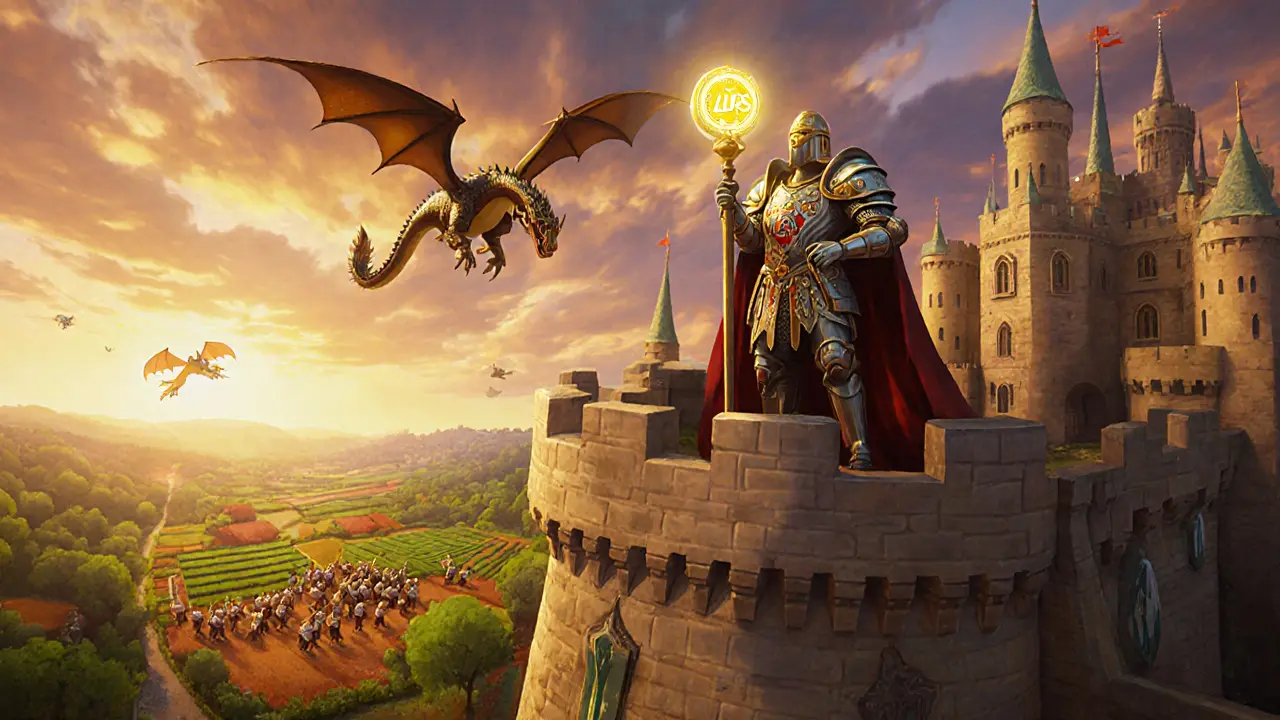
What is BLOCKLORDS (LRDS) Crypto Coin? A Practical Guide to the GameFi Token Behind the Medieval Strategy Game
BLOCKLORDS (LRDS) is a blockchain-based medieval strategy game where the LRDS token powers gameplay, governance, and rewards. Learn how it works, its tokenomics, and whether it's worth your time.