Blockchain Tracing: How Value Moves Across Chains and Why It Matters
When you send crypto from one wallet to another, you’re not just sending coins—you’re leaving a public, permanent trail. This is blockchain tracing, the process of following digital assets across public ledgers to uncover their origin, movement, and final destination. Also known as on-chain analysis, it’s what lets regulators spot money laundering, exchanges freeze stolen funds, and traders track where liquidity is flowing in DeFi. Unlike bank transfers that hide behind layers of privacy, every Bitcoin, Ethereum, or Solana transaction is recorded forever on a public ledger. That’s why blockchain tracing isn’t just for cops—it’s for anyone who wants to know if a token is clean, if a project is legit, or if airdrop rewards are tied to something shady.
Blockchain tracing doesn’t just track coins—it reveals patterns. In Iran, it exposed how the IRGC mines crypto using stolen electricity, turning public blackouts into private profits. In Venezuela, it showed how the Petro token barely moved while citizens used Bitcoin and USDT instead. In Nigeria, tracing confirmed the rise of P2P trading after the bank ban, with thousands moving value through WhatsApp and Binance. These aren’t abstract theories—they’re real trails left by real people, and they’re all visible to anyone with the right tools. blockchain forensics, the practice of analyzing transaction patterns to detect illegal or suspicious activity, is now used by exchanges like Jupiter to flag risky deposits and by the SEC to target unregistered platforms. Meanwhile, DeFi liquidity flow, the movement of funds between protocols like lending pools, DEXs, and yield aggregators is tracked by traders to predict price moves before they happen.
But here’s the catch: tracing doesn’t mean you can always stop bad actors. Vietnam’s 2025 crypto pilot lets legal traders move funds under strict rules, but the same tech that tracks compliance also helps criminals hide behind mixing services. Russia bans crypto for daily use but lets wealthy investors trade it internationally—tracing shows the money flows out, not in. And when a meme coin like YOTSUBA or PUSSYINBIO vanishes overnight, tracing confirms it was never real—no contract, no wallet, no history. That’s the power of this tool: it doesn’t lie. Whether you’re checking if a project is a scam, seeing where your airdrop tokens ended up, or wondering why a DeFi loan got liquidated, blockchain tracing gives you the facts. Below, you’ll find real stories from across the crypto world—how governments use it, how scammers try to beat it, and how everyday traders use it to stay ahead.
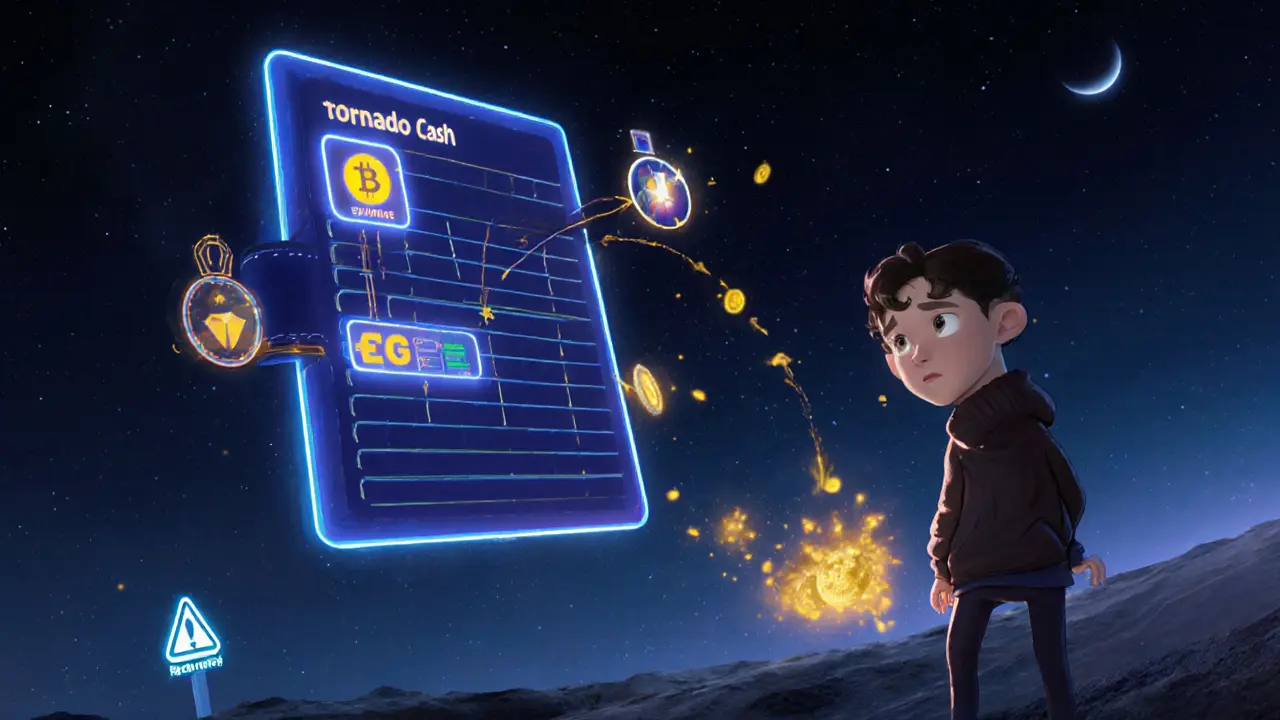
Offshore Crypto Accounts: How Detection Works and What Happens If You Get Caught
Offshore crypto accounts aren't hidden anymore. Blockchain tracing, sanctions, and global regulations make detection almost guaranteed. Here's what happens if you get caught - and why trying to hide crypto is riskier than ever.