Collateral Selection in Crypto: What It Is and How It Impacts DeFi, Airdrops, and Exchanges
When you borrow crypto or stake in a DeFi protocol, collateral selection, the process of choosing which assets you lock up to secure a loan or position. It’s not just a technical step—it’s the difference between making money and losing it. Not all tokens are created equal as collateral. Some, like BTC or ETH, are stable, widely accepted, and liquid. Others? They’re risky, illiquid, or outright scams. If you pick the wrong one, your position gets liquidated. If you pick the right one, you unlock access to loans, leverage, and even airdrops.
DeFi collateral, the assets locked in protocols like Aave or Compound to borrow against is the backbone of lending markets. But even within DeFi, not all collateral is treated the same. Protocols set collateral factors—sometimes as low as 50%—meaning you can only borrow half the value of what you lock. If you use a low-liquidity token like a new meme coin, you might get zero collateral value, no matter how much you deposit. That’s why platforms like Bunicorn and Sphynx Network only accept proven assets. And if you’re chasing an airdrop, many projects require you to lock collateral before you qualify—so your selection directly impacts your eligibility.
Crypto exchange collateral, the assets users pledge to open margin trades or futures positions follows similar rules. Exchanges like ProBit and MetaTdex don’t let you use just any token as collateral. They list approved assets based on volume, volatility, and security. If you try to use a dead token like PUSSYINBIO or a fake DEX like IslandSwap’s native coin, you’ll get rejected. Even worse, some platforms quietly de-list low-quality collateral without warning—leaving your position exposed.
Collateral selection isn’t just about what you can lock—it’s about what you can trust. The 2024 SEC fines targeted platforms that accepted unverified tokens as collateral, calling it a regulatory blind spot. Meanwhile, in Nigeria and Cuba, users rely on collateral to bypass banking restrictions, using only the most liquid assets they can move fast. And in airdrops like Lepasa Polqueen or DogemonGo’s Christmas Landlord, you often need to stake or lock tokens to qualify—so your collateral choice becomes your entry ticket.
Some tokens are safe collateral. Others are landmines. The ones that work? They have real trading volume, audits, and community backing. The ones that don’t? They’re listed on obscure exchanges, have zero liquidity, and vanish when markets dip. If you’re using a platform like SoupSwap or MiaSwap v2—both dead with no volume—you’re not just risking your position. You’re risking your entire strategy. Collateral selection isn’t a checkbox. It’s your first line of defense.
Below, you’ll find real examples of how collateral selection plays out in the wild—from failed airdrops that demanded the wrong tokens, to exchanges that banned risky assets overnight, to DeFi protocols that quietly changed their rules. You won’t find fluff. Just what actually matters when you’re locking up your crypto.
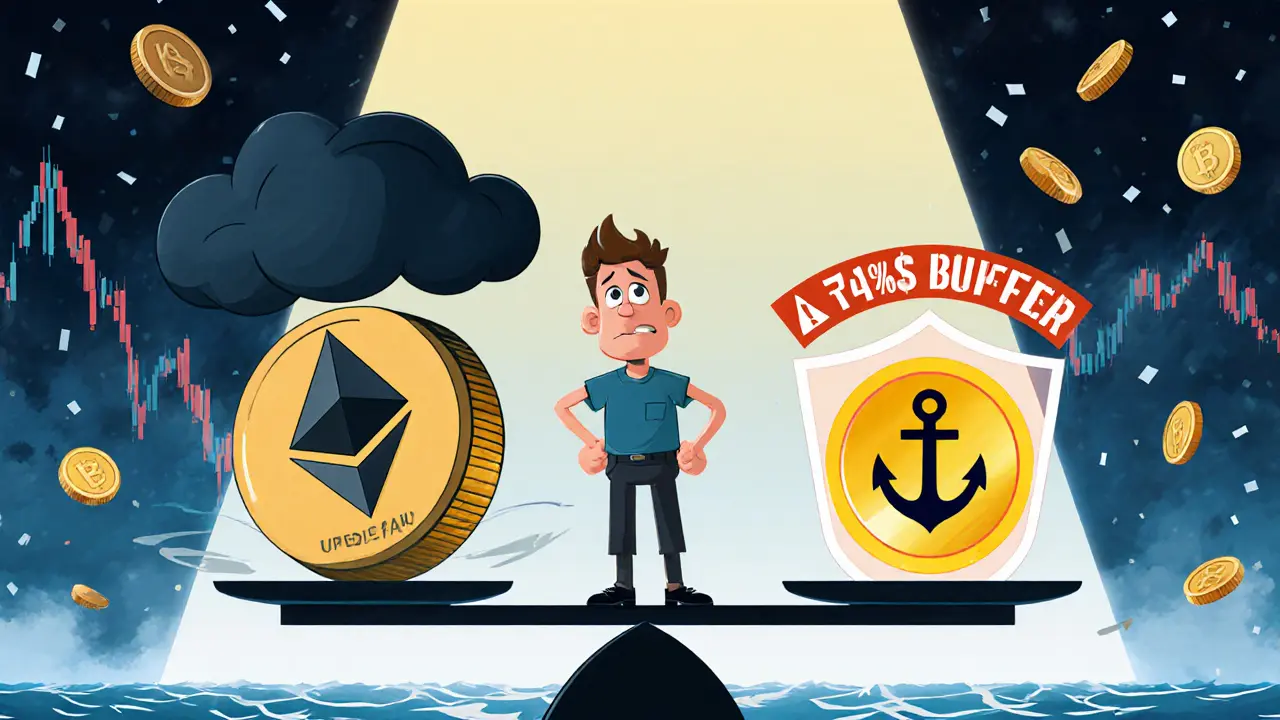
How to Choose Collateral for DeFi Loans in 2025
Learn how to pick the right crypto collateral for DeFi loans in 2025 to avoid liquidation. Understand LTV ratios, stablecoin advantages, platform differences, and real-world strategies used by experienced borrowers.