Crypto Legal Consequences: What Happens When You Break the Rules
When you trade, mine, or hold cryptocurrency, you’re not just dealing with price charts—you’re navigating a growing web of crypto legal consequences, the real-world penalties and restrictions imposed by governments on cryptocurrency use and ownership. Also known as cryptocurrency regulation, these rules vary wildly by country and can mean fines, asset seizures, or even jail time. This isn’t theory. In 2024, the SEC, the U.S. Securities and Exchange Commission, which enforces federal securities laws and has targeted dozens of crypto projects as unregistered securities handed out $4.98 billion in fines—up 3,018% from the year before. One case alone accounted for $4.5 billion. This isn’t about catching small-time traders; it’s about shutting down platforms that don’t follow the rules.
Across the globe, governments are drawing lines. In the UK, a jurisdiction where crypto exchanges must register with the Financial Conduct Authority to legally serve retail customers, failing to get FCA crypto authorization, the official approval required for exchanges to operate legally in the United Kingdom means you can’t legally market to British users. In Russia, a country that bans crypto for everyday spending but lets wealthy investors and corporations use it for cross-border trade, holding Bitcoin for daily purchases can get you fined. Meanwhile, in Vietnam, a nation launching the world’s first government-run crypto pilot program from 2025 to 2030, you’ll need to follow strict rules by 2027 or risk losing access entirely. And in Iran, unlicensed mining isn’t just illegal—it’s tied to military operations that drain public power grids.
It’s not just about exchanges or mining. Even something as simple as renouncing your U.S. citizenship to avoid crypto taxes comes with its own legal trap: the exit tax, which can hit you for hundreds of thousands—even millions—of dollars. And if you think a dead meme coin like Pussy In Bio or YOTSUBA is harmless, think again. Promoting fake tokens can be treated as fraud. The line between a joke and a crime is thinner than you think.
What you’ll find below isn’t a list of opinions. It’s a collection of real cases, real rules, and real consequences. From the collapse of unregulated exchanges like CoinCasso and WBF to how Nigeria’s underground crypto economy survived a bank ban, these stories show how laws shape what’s possible—and what’s dangerous—in crypto. Whether you’re trading, mining, or just holding, you need to know where the lines are drawn. Because in crypto, ignorance isn’t an excuse—it’s a liability.
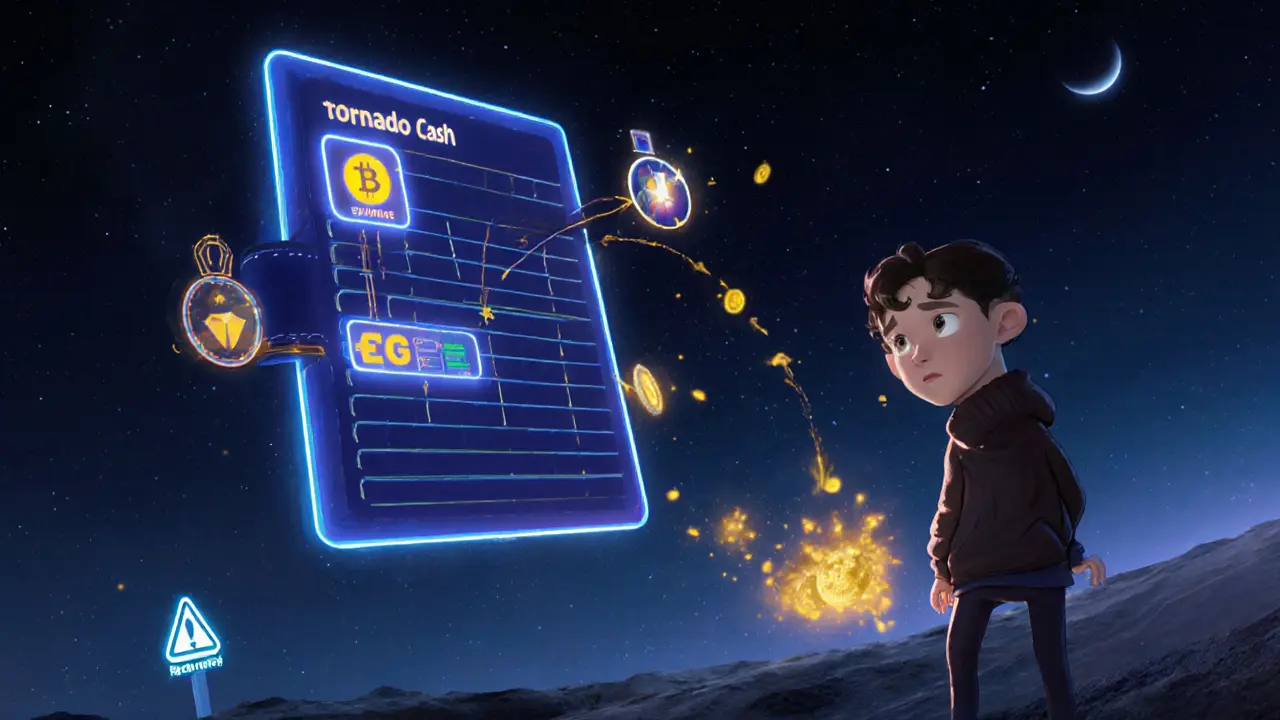
Offshore Crypto Accounts: How Detection Works and What Happens If You Get Caught
Offshore crypto accounts aren't hidden anymore. Blockchain tracing, sanctions, and global regulations make detection almost guaranteed. Here's what happens if you get caught - and why trying to hide crypto is riskier than ever.