Crypto Regulation Nigeria: What You Need to Know About Trading and Compliance
When it comes to crypto regulation Nigeria, the set of rules and government actions that control how cryptocurrency is used, taxed, and traded within Nigeria. Also known as Nigerian cryptocurrency laws, it’s not about banning crypto—it’s about controlling how it flows through the financial system. Nigeria was one of the first African countries to see mass crypto adoption, with millions using Bitcoin and stablecoins to bypass currency controls, send remittances, and protect savings from inflation. But the Central Bank of Nigeria (CBN) doesn’t see it that way. In 2021, the CBN banned banks from handling crypto transactions, forcing users to find workarounds—peer-to-peer platforms, offshore exchanges, and decentralized apps.
That ban didn’t stop adoption. It just pushed it underground. Today, Nigerians still rank among the top global users of crypto, according to Chainalysis. Why? Because Nigerian crypto laws, the legal framework governing digital asset use in Nigeria, including tax obligations and financial reporting. Also known as Nigeria’s crypto compliance rules, it’s still evolving. The government now wants to tax crypto gains, require KYC on P2P platforms, and even explore a central bank digital currency (CBDC) called the eNaira. Meanwhile, Binance Nigeria, the local arm of the world’s largest crypto exchange that was shut down by regulators but continues operating through global platforms. Also known as Binance NG, it remains a key access point for traders still serves millions through international domains and P2P networks. Many users now trade USDT on Paxful or LocalBitcoins, avoiding banks entirely.
There’s no official license for crypto exchanges in Nigeria yet, but the Securities and Exchange Commission (SEC) has started warning firms to register or face penalties. If you’re trading, holding, or earning from crypto here, you’re technically subject to capital gains tax—even if no one’s auditing you. The real question isn’t whether crypto is legal in Nigeria—it’s whether you’re prepared for what happens when regulation catches up. You’ll find posts below that break down how Nigerians are still trading, what platforms still work, which airdrops are safe to claim locally, and how to avoid scams that target users confused by the rules. This isn’t theoretical. It’s daily life for millions. And if you’re one of them, you need to know what’s real, what’s risky, and what’s just noise.
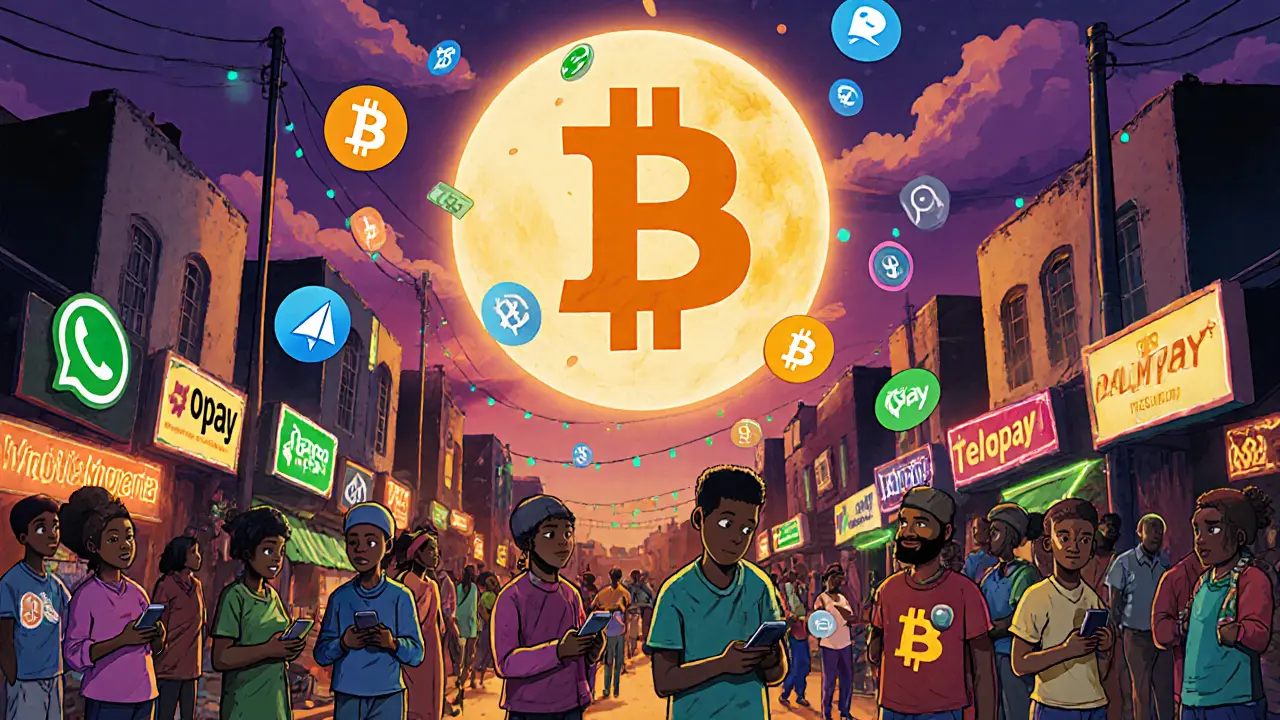
How Nigeria's Underground Crypto Economy Thrived During the Bank Ban
Despite a 2021 bank ban on crypto, Nigeria became the world's second-largest crypto adopter through a thriving underground P2P economy powered by WhatsApp, Telegram, and Binance P2P.