Crypto Trading Nigeria: How Nigerians Are Using Crypto to Bypass Banks and Build Wealth
When you talk about crypto trading Nigeria, the practice of buying, selling, and holding digital currencies by individuals and businesses in Nigeria to bypass traditional financial systems. Also known as cryptocurrency trading in Nigeria, it’s not just a trend—it’s a survival tool for millions who face bank restrictions, currency controls, and inflation above 30%. This isn’t about speculative hype. It’s about real people using cryptocurrency, digital money that operates without central banks or government control. Also known as crypto, it enables peer-to-peer value transfer across borders to send money home, buy goods from overseas, or protect savings from naira devaluation.
Many Nigerians don’t have access to reliable banking services, but they do have smartphones. That’s why platforms like crypto exchanges Nigeria, online platforms where users can trade digital assets like Bitcoin, Ethereum, and local tokens without needing a bank. Also known as Nigerian crypto platforms, they’re often the only way to access global markets have exploded in popularity. Peer-to-peer trading on Binance P2P, Paxful, and local apps lets people trade naira for Bitcoin in minutes—no paperwork, no delays. This is especially vital for freelancers, small business owners, and students who need to receive payments from abroad. The rise of DeFi Nigeria, decentralized finance tools that let Nigerians earn interest, borrow, or trade without intermediaries like banks. Also known as decentralized finance in Nigeria, it’s giving people control over their money for the first time means you can now earn yield on your crypto holdings through lending protocols, something traditional banks in Nigeria simply don’t offer.
It’s not without risks—scams, unstable internet, and regulatory uncertainty are real. But the movement is growing because it works. People are using crypto to pay school fees, fund startups, and even buy land. The posts below show you exactly how this plays out: from real airdrops that gave Nigerians free tokens, to exchange reviews that warn you away from fake platforms, to guides on using multiple exchanges to dodge restrictions. You’ll see what’s actually working on the ground, not what’s being sold in Telegram groups. Whether you’re new to crypto or looking to trade smarter, these stories are written by people who’ve been there—no fluff, no promises, just what you need to know to avoid traps and find real opportunities in Nigeria’s crypto landscape.
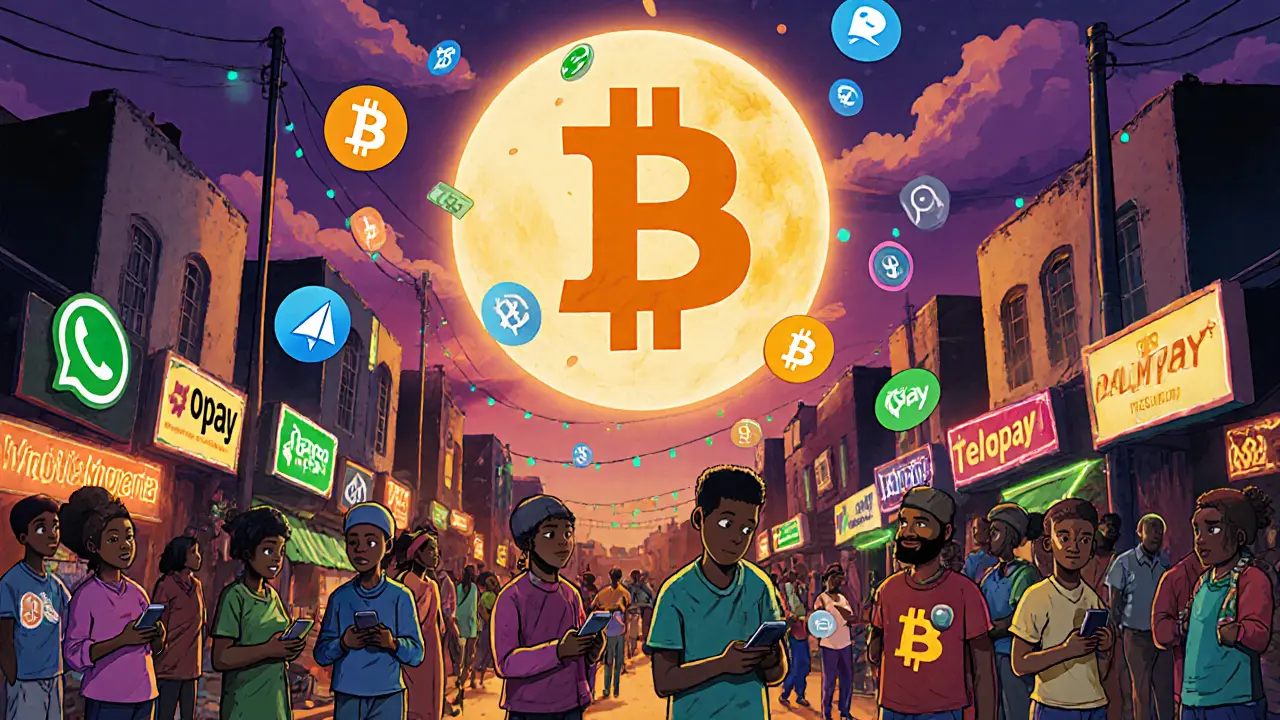
How Nigeria's Underground Crypto Economy Thrived During the Bank Ban
Despite a 2021 bank ban on crypto, Nigeria became the world's second-largest crypto adopter through a thriving underground P2P economy powered by WhatsApp, Telegram, and Binance P2P.