Fractional Ownership in Crypto: What It Is and How It Changes Investing
When you hear fractional ownership, the ability to own a portion of an asset that’s too expensive to buy whole. Also known as tokenized ownership, it’s turning crypto into a new kind of investment playground. Instead of needing $50,000 to buy a piece of real-world art or a rare NFT, you can buy $50 worth of it. This isn’t theory—it’s happening right now on DeFi platforms, NFT marketplaces, and even some crypto exchanges.
It works by splitting ownership into digital tokens, each representing a share. These tokens can be traded like any other crypto coin. That means you can own 0.3% of a Bored Ape, 1% of a Bitcoin mining rig, or a slice of a real estate token backed by property in Dubai—all with small amounts of money. This changes who gets to participate. Before, only wealthy investors could access high-value assets. Now, anyone with a wallet can join. tokenized assets, digital representations of real or digital property divided into tradeable shares are the backbone of this shift. And DeFi investing, using decentralized platforms to earn, lend, or own parts of assets without banks makes it possible without middlemen.
But it’s not all smooth sailing. Some platforms don’t give you real legal rights—just digital claims. Others lock your tokens in smart contracts that can’t be easily sold. And if the underlying asset loses value, your fraction loses value too. That’s why knowing the difference between a true fractional ownership model and a gimmicky token is key. Look for transparency: who holds the asset? Is there a real-world backing? Are the tokens audited? The posts below show you real examples—some working, some dead ends. You’ll see how people used fractional ownership to get into high-value NFTs, how some DeFi projects failed because they didn’t explain ownership rights, and why some airdrops promised shares but delivered nothing. This isn’t about getting rich quick. It’s about understanding how ownership is being rebuilt in crypto—and where the real opportunities lie.
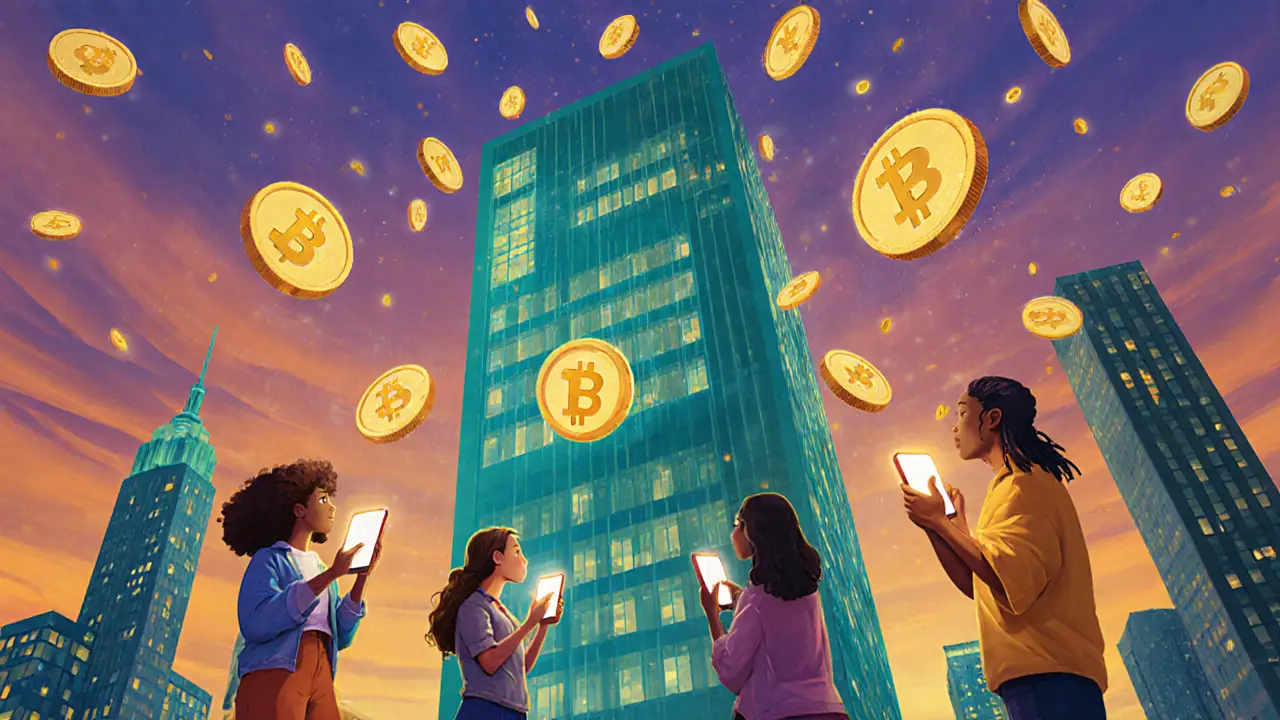
Future of Real World Asset Tokenization: How Blockchain Is Changing Ownership
Real world asset tokenization is turning physical assets like real estate and gold into digital tokens on blockchain, enabling fractional ownership and 24/7 trading. With $24B already tokenized, it's reshaping how we invest.