LRDS Tokenomics: How the Token Works, Who Controls It, and Why It Matters
When you hear LRDS tokenomics, the economic structure behind a cryptocurrency token that defines how supply, distribution, and usage are designed. Also known as token design, it’s not just about how many coins exist—it’s about who gets them, when they’re released, and what they’re actually used for. Most tokens look the same on paper: a number, a name, a chart. But the real story is in the details—how the supply is locked, who holds the big wallets, and whether the token does anything beyond moving numbers around.
Token distribution, how coins are allocated among teams, investors, and the public. Also known as allocation model, it’s often the first red flag. If 30% of the supply goes to the founding team with no vesting schedule, you’re not investing in a project—you’re betting on insiders cashing out. If 50% is locked in a liquidity pool with no audit, you’re trusting code that might not even exist. And if the token has no clear use case—no staking, no governance, no fees burned—then it’s just a speculative asset with no real engine.
Token utility, what the token actually does inside its ecosystem. Also known as functional token, it’s the difference between a collectible and a tool. Look at tokens like LRDS—if it’s meant to pay for services, unlock features, or vote on upgrades, then its value grows with usage. But if it’s just traded on exchanges with no reason to hold it, its price is pure hype. Real utility means people need the token to use the platform. No utility? Then it’s a lottery ticket with a blockchain label.
Tokenomics isn’t about charts or memes. It’s about incentives. Who benefits when the price goes up? Is it the users, or just the early investors? Does the protocol burn tokens to reduce supply, or does it print more every month? These aren’t technical details—they’re survival rules. The most successful tokens have clear, fair, and transparent rules. The ones that crash? They hid the fine print.
You’ll find posts here that dig into real cases: tokens that vanished after a dump, tokens that gave power to holders, tokens that pretended to be decentralized but were controlled by one wallet. Some of these are scams. Others are experiments that failed. A few might still have legs. But none of them can be judged by their price alone. You need to see the engine behind it.
What follows isn’t a list of predictions. It’s a collection of real breakdowns—what went right, what went wrong, and what you can spot before you invest. If you’ve ever bought a token and wondered why it crashed, these posts will show you the signs you missed. No fluff. No hype. Just the facts behind the numbers.
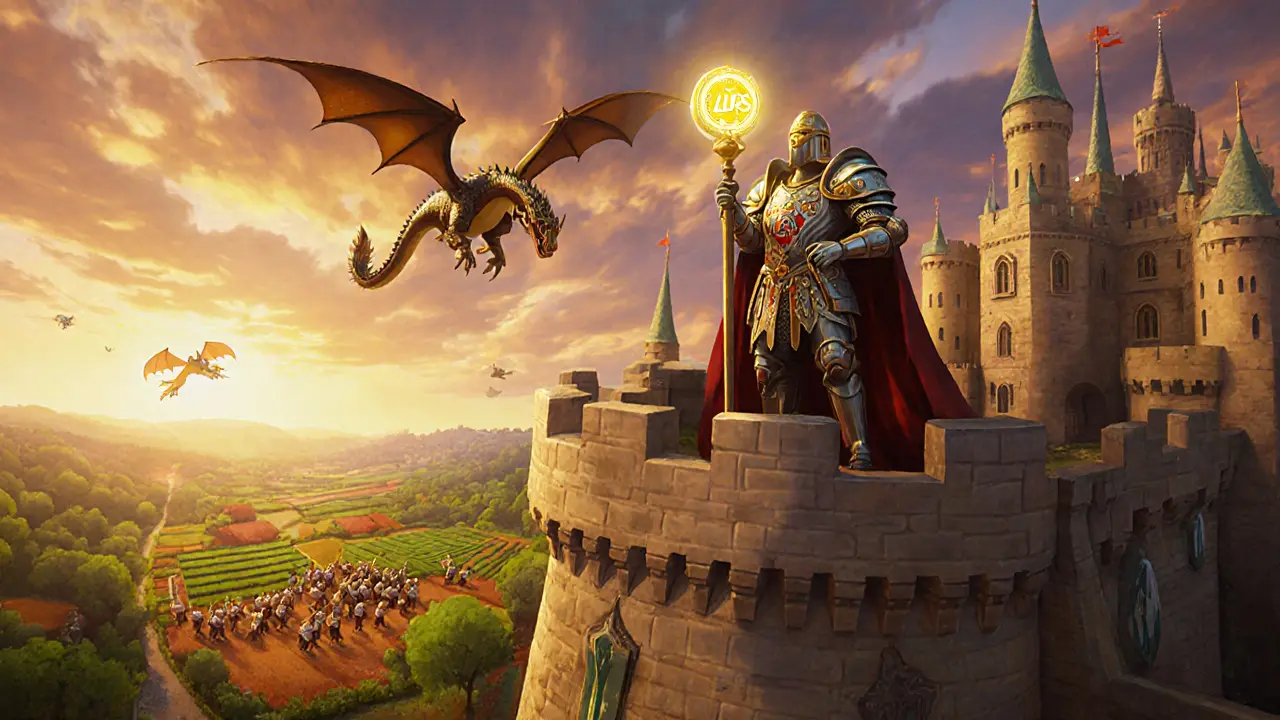
What is BLOCKLORDS (LRDS) Crypto Coin? A Practical Guide to the GameFi Token Behind the Medieval Strategy Game
BLOCKLORDS (LRDS) is a blockchain-based medieval strategy game where the LRDS token powers gameplay, governance, and rewards. Learn how it works, its tokenomics, and whether it's worth your time.