Nigeria Crypto Ban: What It Means for Users, Exchanges, and the Future of Crypto in Africa
When the Nigeria crypto ban, a 2021 Central Bank of Nigeria directive that restricted banks from servicing crypto-related accounts. Also known as crypto banking restrictions in Nigeria, it was meant to protect the naira and curb capital flight. But instead of killing crypto, it pushed it underground—and made it stronger. Millions of Nigerians kept trading, sending remittances, and earning through decentralized platforms, using peer-to-peer networks, VPNs, and non-bank gateways. The ban didn’t stop demand; it exposed how deeply crypto had become part of daily financial life.
What followed was a shift in how crypto exchanges, platforms that let users buy, sell, and trade digital assets. Also known as crypto trading platforms, it operated in Nigeria. Major global exchanges like Binance and Paxful adapted by removing direct bank links and focusing on P2P trading. Local players like NairaEx and Laird dived into cash-in, cash-out networks using mobile money and agent systems. Meanwhile, financial inclusion in Africa, the process of giving unbanked populations access to financial tools through technology. Also known as crypto-based financial access, it became even more urgent. For many Nigerians, crypto isn’t a speculative asset—it’s a lifeline to pay for school, send money home, or protect savings from inflation.
The Nigerian government didn’t win the war—it just changed the battlefield. Today, crypto adoption is higher than ever, with over 30% of adults owning or using digital assets, according to Chainalysis. The real story isn’t about bans. It’s about resilience. People found ways to trade, earn, and save without banks. And now, even regulators are quietly reconsidering their stance. The Nigeria crypto ban didn’t kill crypto. It revealed how much the country depends on it.
What you’ll find in the posts below are real stories from people navigating these restrictions, reviews of platforms that still work, and insights into how crypto is being used to bypass financial barriers—not just in Nigeria, but across similar markets. You’ll see how users avoid detection, how exchanges stay alive without banking partners, and what happens when a nation tries to shut down money that doesn’t need permission to exist.
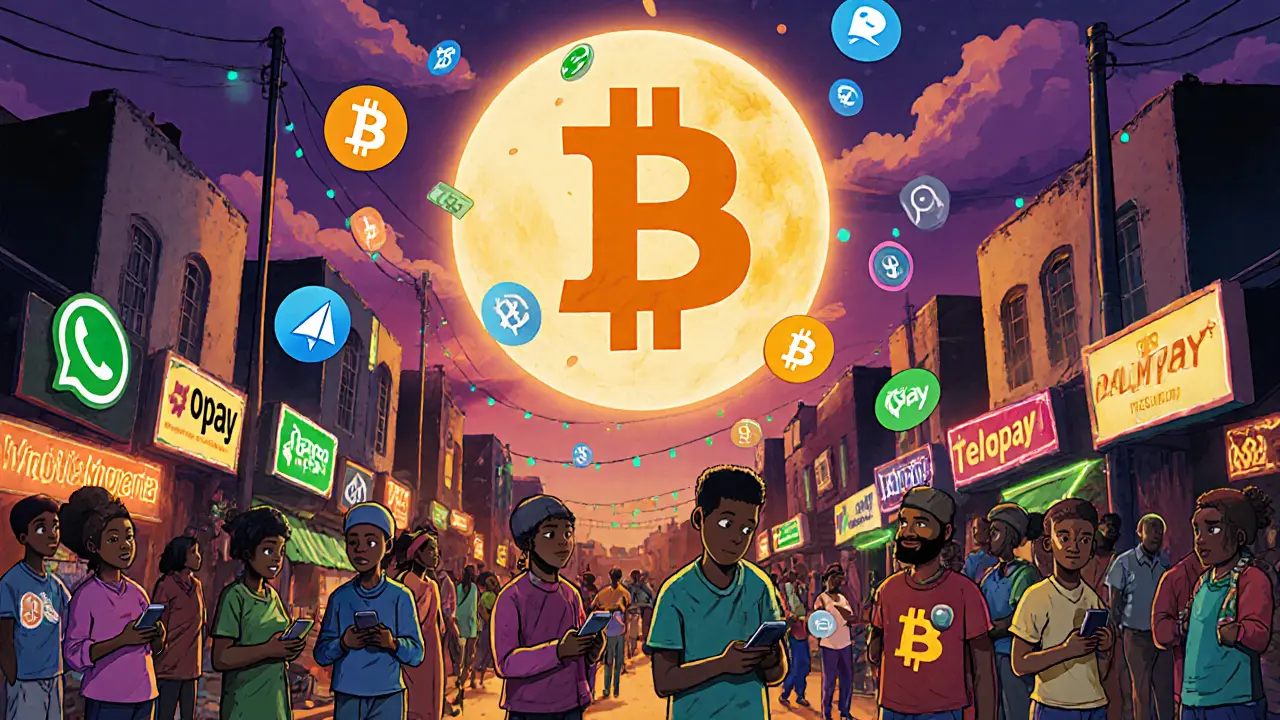
How Nigeria's Underground Crypto Economy Thrived During the Bank Ban
Despite a 2021 bank ban on crypto, Nigeria became the world's second-largest crypto adopter through a thriving underground P2P economy powered by WhatsApp, Telegram, and Binance P2P.