RWA Tokenization: Real-World Assets on Blockchain Explained
When you hear RWA tokenization, the process of turning physical assets like real estate, bonds, or commodities into digital tokens on a blockchain. Also known as tokenized real-world assets, it’s not science fiction—it’s already changing how money moves across borders and who gets access to wealth-building tools. Think of it like owning a slice of a building, a government bond, or even a share of a wind farm—all as a digital asset you can trade on a crypto exchange. This isn’t just about speculation. It’s about making assets that used to be locked up in banks, law firms, and brokerages suddenly liquid, divisible, and available to anyone with an internet connection.
RWA tokenization relies on a few key pieces: tokenized real estate, digital shares of physical properties backed by legal ownership records, DeFi collateral, real assets used as security for crypto loans, and asset-backed tokens, digital tokens whose value is tied directly to physical holdings like gold or oil. These aren’t theoretical. In 2024, over $12 billion in real estate and bonds were tokenized globally. Countries like Singapore and Switzerland are building legal frameworks for it. Even traditional banks are testing it. Meanwhile, projects are quietly letting small investors buy fractions of commercial buildings in Dubai or Treasury bonds in the U.S.—all without needing a broker or minimum investment of $100,000.
But it’s not all smooth sailing. Tokenization only works if the underlying asset is legally recognized, properly audited, and honestly represented. A lot of projects claim to offer RWA exposure but are just rebranding risky crypto bets. The difference? Real RWA tokenization ties every token to a real-world contract, a verified asset, and a trusted custodian. That’s why you’ll find posts here covering everything from how Singapore’s pilot programs make tokenized bonds legal, to why some DeFi platforms are using tokenized real estate as collateral to offer higher yields, to how scams mimic RWA to trick investors into buying worthless tokens. This collection doesn’t just explain what RWA tokenization is—it shows you what’s real, what’s risky, and where the real value is hiding.
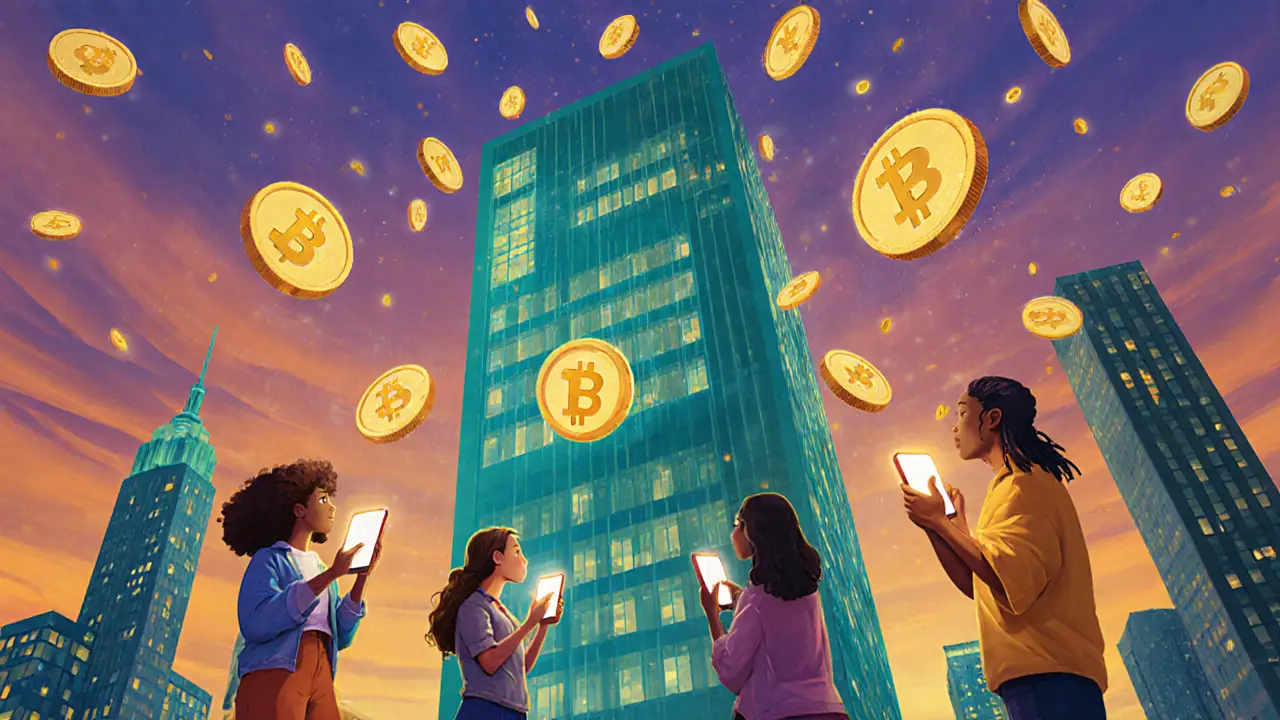
Future of Real World Asset Tokenization: How Blockchain Is Changing Ownership
Real world asset tokenization is turning physical assets like real estate and gold into digital tokens on blockchain, enabling fractional ownership and 24/7 trading. With $24B already tokenized, it's reshaping how we invest.