SEC Crypto Fines: What Happens When Regulators Target Crypto Projects
When the SEC crypto fines, penalties issued by the U.S. Securities and Exchange Commission against crypto projects for violating federal securities laws. Also known as crypto enforcement actions, these fines aren’t just about money—they’re about control. The SEC doesn’t care if your token is called a "utility coin" or "community reward." If it acts like a security, they’ll treat it like one. Since 2020, over 50 crypto companies have faced SEC action, from big names like Coinbase and Binance to obscure DeFi protocols with zero users. The message is clear: if you raised money by selling tokens to the public without registering them as securities, you’re on the radar.
The crypto regulation, the set of legal rules and oversight mechanisms governing cryptocurrency issuance, trading, and fundraising in the United States isn’t written in stone—it’s built case by case. The Howey Test is the main tool the SEC uses: if investors put money into a project expecting profit from someone else’s effort, it’s a security. That’s why so many airdrops, staking rewards, and token sales got hit. Projects like Kik and Telegram were forced to return millions because their tokens were sold as investments, not products. Even projects with no real product, like dead meme coins with fake volume, can get fined if they misled investors during fundraising.
crypto compliance, the process of following legal and regulatory requirements when issuing, trading, or promoting cryptocurrency assets isn’t optional anymore. Exchanges that list unregistered tokens risk their own licenses. Founders who ignore legal advice often end up paying fines, shutting down, or facing personal liability. The SEC doesn’t wait for you to grow—they come early, when you’re still small, to set an example. That’s why you’ll see posts here about platforms like ProBit, IslandSwap, and SoupSwap—many of them were either flagged by regulators or operated in gray zones where compliance was ignored.
What’s missing from most headlines is the real impact: how these fines change what’s possible in crypto. Projects now avoid public sales. Token launches happen quietly, often limited to accredited investors. Airdrops are designed to avoid triggering securities rules. The result? Less hype, fewer scams, but also fewer chances for everyday people to get in early. The SEC crypto fines didn’t kill innovation—they forced it underground. And now, the projects that survive are the ones that built with rules in mind, not after the fact.
Below, you’ll find real cases of crypto projects caught in the crosshairs—not because they were evil, but because they didn’t understand the rules. Some were scams. Others were just naive. All of them learned the hard way. What you’ll see here isn’t just history—it’s a warning list for anyone thinking of launching, investing in, or promoting a crypto project today.
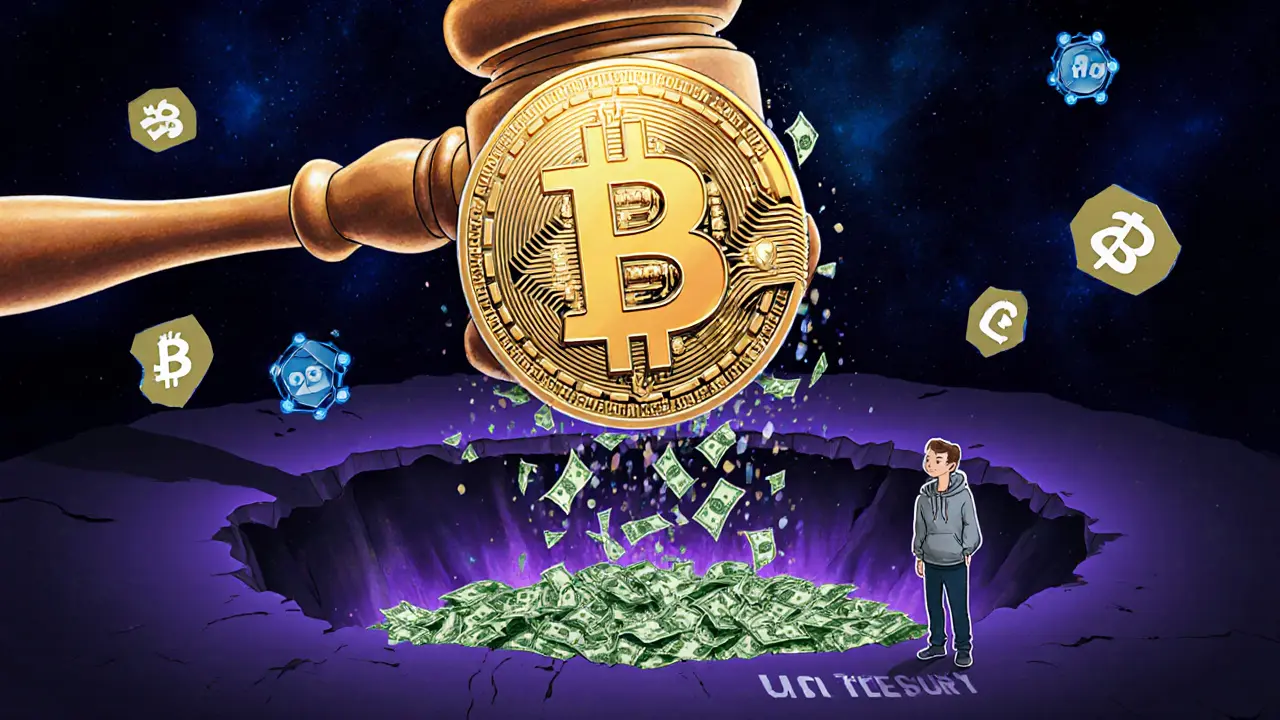
SEC Crypto Enforcement Fines: How 2024 Saw a 3,018% Surge in Penalties
SEC crypto fines surged 3,018% in 2024, hitting $4.98 billion - mostly from one $4.5 billion case. The agency shifted from quantity to impact, targeting unregistered securities and DeFi platforms with record penalties.