Tokenized Real Estate: How Blockchain Is Changing Property Ownership
When you think of tokenized real estate, a digital representation of physical property ownership issued on a blockchain. Also known as fractional real estate, it lets you buy a share of a building, farm, or apartment complex without needing millions in cash. This isn’t science fiction—it’s happening right now, with people buying 0.1% of a Manhattan office tower or a vineyard in Tuscany using crypto wallets.
Tokenized real estate works by turning property deeds into blockchain property, digital tokens that prove ownership and can be traded like stocks. These tokens are often built as real estate NFTs, non-fungible tokens that represent unique ownership rights to physical assets. Unlike traditional real estate, which takes weeks to buy and is locked up for years, tokenized property can be bought, sold, or even rented out in minutes—24/7, across borders.
Why does this matter? Because it breaks down barriers. You don’t need to be a billionaire to own part of a luxury hotel. A teacher in Manila, a student in Lagos, or a retiree in Poland can now invest in real estate they’d never have access to before. It’s not just about profit—it’s about access. And while some platforms promise huge returns, others are just hype. That’s why you’ll find real case studies here: what worked, what failed, and who’s actually moving money.
Some of the posts below look at projects trying to tokenize land in Nigeria, analyze how regulators in the UK are reacting, and expose fake platforms pretending to offer digital property. You’ll also see how tokenized real estate connects to DeFi loans, NFT marketplaces, and even crypto airdrops tied to property-backed tokens. This isn’t about speculation—it’s about understanding a new kind of ownership. And if you’re wondering whether it’s safe, legal, or worth your time, the answers are here—no fluff, no promises, just what’s real.
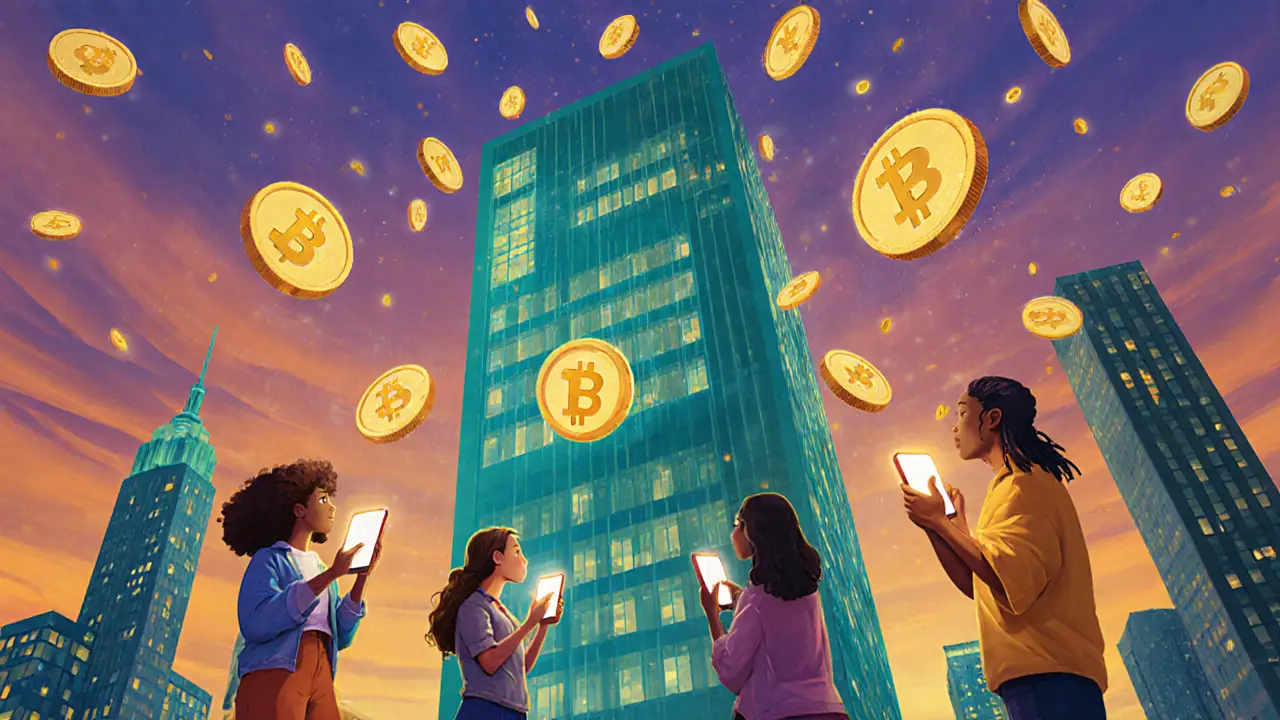
Future of Real World Asset Tokenization: How Blockchain Is Changing Ownership
Real world asset tokenization is turning physical assets like real estate and gold into digital tokens on blockchain, enabling fractional ownership and 24/7 trading. With $24B already tokenized, it's reshaping how we invest.