 Jan, 21 2026
When The Rock Trading launched in 2011, it was one of the few crypto exchanges you could actually trust. While most platforms were wild west operations, The Rock Trading played by the rules. It was registered in Malta and Italy, followed strict KYC and AML rules, and focused on stable trading pairs like BTC/EUR. For years, it was the quiet bank of crypto - no flashy leverage, no meme coins, no hype. Just solid, regulated trading. But by April 2023, it was gone. Bankrupt. Funds frozen. Thousands of users left with nothing. Here’s what really happened.
Why The Rock Trading Was Once Trusted
The Rock Trading didn’t try to be the biggest. It didn’t chase high-frequency traders or offer 100x leverage. It targeted European retail users who wanted a safe way to buy Bitcoin and Ethereum without jumping through hoops. Its interface was simple. Deposits and withdrawals used bank transfers. Fees started at 0.5% and dropped as low as 0.02% for heavy traders. That was lower than most exchanges at the time. Its Fastlane feature let new users buy crypto in three clicks. No complex order books. No technical jargon. Just pick Bitcoin, enter your amount, pay via bank transfer, and get your coins. It was perfect for someone who just wanted to hold crypto, not day trade. The platform also partnered with GreenAddress for multi-signature wallets, which added a layer of security. For years, users praised the clean design and reliability. It survived the 2014 Mt. Gox collapse and the 2018 bear market. That alone made it stand out. Most exchanges that started in 2011 were dead by 2016. The Rock Trading kept going. It wasn’t flashy, but it was steady. That’s why so many people kept their funds there - even after better exchanges like Kraken and Coinbase arrived.The Slow Decline: Security, Liquidity, and Stagnation
The cracks started showing in 2021. Onedime, the company handling digital services for The Rock Trading, got hacked. €904,000 in crypto was stolen. The exchange didn’t disclose the full extent of the damage. Instead, it quietly moved funds around and kept operating. That’s when trust began to erode. By 2022, the platform hadn’t added a single new cryptocurrency in over two years. While Binance and Kraken were listing Solana, Polygon, and hundreds of new tokens, The Rock Trading stuck to BTC, ETH, LTC, XRP, and a handful of others. Its API, once praised for speed, became outdated. No futures. No margin trading. No mobile app worth using. It felt like a website from 2015. Customer support got slower. Users reported waiting weeks for replies. Verification took 5-7 days, sometimes longer. That’s not acceptable in 2023, when competitors like Bitpanda and Revolut can verify you in under an hour. Liquidity dried up. The BTC/EUR market, once the exchange’s strongest pair, saw trading volumes drop by over 60% from its 2021 peak. Fewer buyers. Fewer sellers. That made it harder to execute trades without big slippage. When users tried to withdraw, delays started happening. Then came the freeze.The Collapse: February to April 2023
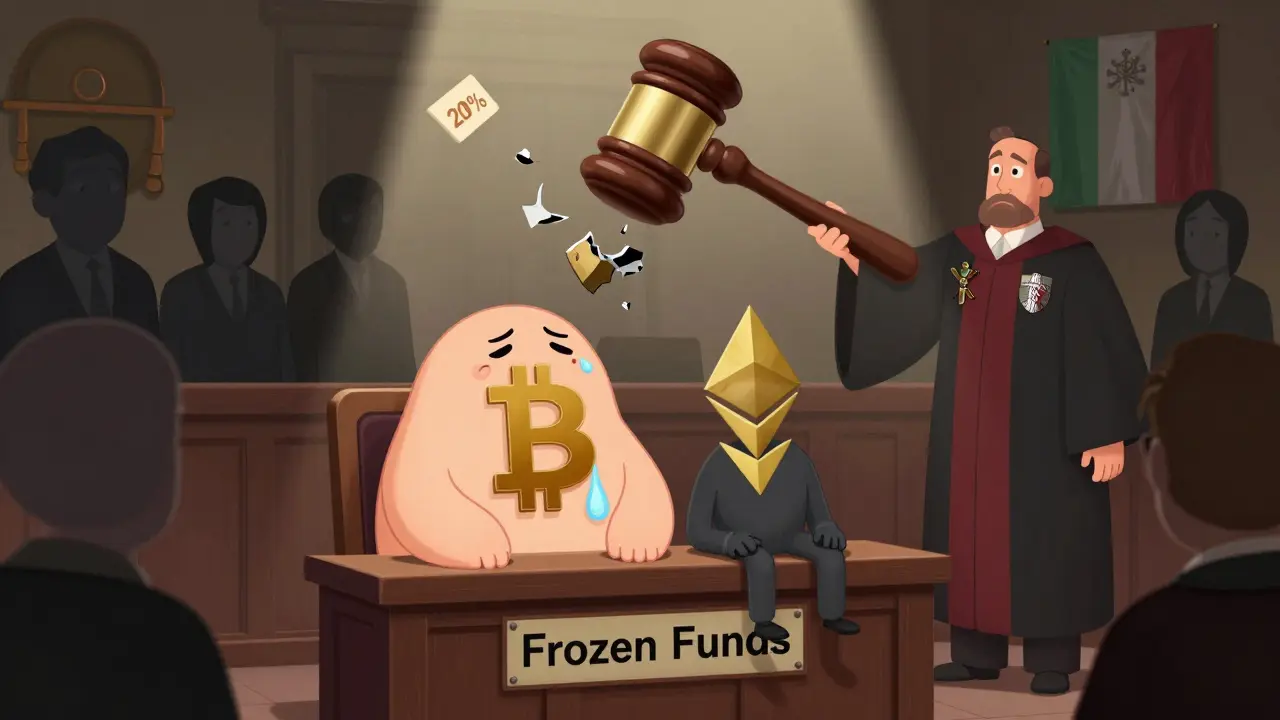
In February 2023, The Rock Trading suddenly stopped all withdrawals. No warning. No explanation. Just a message on the website saying, “We’re experiencing technical difficulties.” Over 30,000 users were locked out. Bitcoin, Ethereum, Dogecoin - all frozen. Some had been customers since 2012. They’d trusted the platform through market crashes, regulatory changes, and even the 2021 hack. Now, they couldn’t access their own money. By April 14, 2023, a court in Milan declared The Rock Trading bankrupt. The company had no cash left. Its remaining crypto holdings were seized and placed under liquidation. The hope was that some funds could be returned to users - but only after legal fees, court costs, and creditor claims were paid. Most users expect to recover less than 20% of what they lost. The Financial Commission, a financial dispute resolution body, issued a public warning: “The Rock Trading failed to meet basic operational and liquidity standards. Users should assume their funds are at high risk.”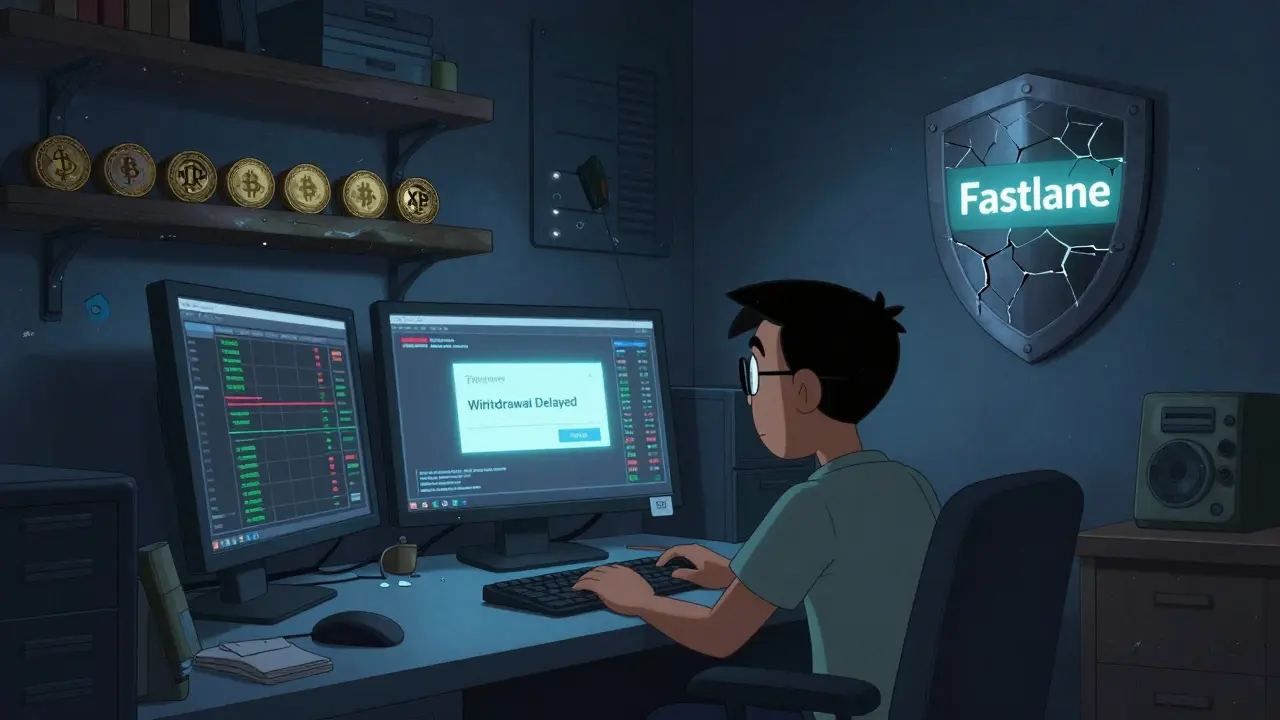
What Made It Different - and Why That Wasn’t Enough
The Rock Trading’s biggest strength was also its downfall. It stayed small. It stayed regulated. It avoided risk. But in crypto, standing still is the same as moving backward. Compare it to Kraken. Kraken also started in 2011. But Kraken kept building. It added futures, staking, a debit card, institutional services, and a mobile app. It expanded globally. The Rock Trading did none of that. It didn’t even update its website design after 2018. It didn’t offer USD deposits for Americans - only OKPay, which most people didn’t use. It didn’t support DeFi, NFTs, or staking. It didn’t even have a decent help center. If you needed help, you emailed. And waited. Its user base was loyal, but small. And when liquidity dried up, there was no backup plan. No venture capital. No big investors. Just a small team trying to run a 2011-era platform in a 2023 market.What You Can Learn From The Rock Trading’s Failure
This isn’t just a story about one failed exchange. It’s a warning. Never trust a crypto exchange just because it’s been around a long time. Age doesn’t equal safety. The Rock Trading was older than Bitcoin itself. It had regulatory licenses. It had a clean reputation. And still, it collapsed. Here’s what to check before using any exchange:- Can you withdraw your funds easily? Test it with a small amount first.
- Is the platform adding new features? Or is it stuck in the past?
- What’s the trading volume? Low volume means you won’t be able to sell when you need to.
- Does it have a mobile app? If not, that’s a red flag.
- Are there recent news reports about delays or freezes? Google the exchange name + “withdrawal problems.”
Alternatives to The Rock Trading (2026)
If you’re looking for a regulated, European-friendly exchange with good liquidity and modern features, here are three solid options:- Bitpanda - Based in Austria, fully regulated, easy to use, supports EUR deposits, and offers staking and ETFs.
- Kraken - One of the oldest and most secure exchanges. Strong API, low fees, and supports 200+ cryptocurrencies.
- Revolut - Not a full exchange, but great for buying crypto with EUR/GBP and storing it safely in-app. Perfect for beginners.
Final Thoughts
The Rock Trading wasn’t a scam. It was a good exchange that got left behind. It didn’t adapt. It didn’t invest in security. It didn’t listen to its users. And when the market moved on, it didn’t have the strength to keep up. Its story should scare you - not because crypto is dangerous, but because you can’t assume safety just because something looks old or official. The only safe exchange is the one you actively monitor. The one you test. The one you don’t trust blindly. If you held crypto on The Rock Trading, you’re likely out of luck. But if you’re still trading, make sure you’re not repeating the same mistakes.Is The Rock Trading still operational?
No. The Rock Trading was declared bankrupt by a Milan court on April 14, 2023. All trading and withdrawal functions were permanently shut down. The company’s remaining assets are being liquidated to repay creditors, but most users are expected to recover only a small fraction of their funds.
Why did The Rock Trading fail?
It failed due to a combination of factors: a major 2021 hack that stole €904,000, outdated technology, no new features for years, declining liquidity, slow customer support, and poor risk management. When users started withdrawing in early 2023, the exchange didn’t have enough funds to cover them, leading to a freeze and eventual bankruptcy.
Was The Rock Trading regulated?
Yes, it was registered with the Malta Financial Services Authority (MFSA) and the Italian OAM. It followed KYC and AML rules. But regulation doesn’t guarantee safety. Many regulated exchanges have still failed due to poor internal controls, lack of liquidity, or security breaches.
Can I get my money back from The Rock Trading?
Possibly, but not likely in full. The company’s remaining cryptocurrency holdings are being liquidated by a court-appointed administrator. After legal fees and creditor claims are paid, any leftover funds may be distributed to users. Most estimates suggest users will recover less than 20% of what they lost. There is no timeline for payouts.
What should I use instead of The Rock Trading?
For European users, Bitpanda, Kraken, and Revolut are better options. They offer modern apps, fast verification, strong security, and active customer support. Avoid exchanges that haven’t updated their platform in over 3 years, have low trading volume, or don’t allow easy withdrawals.
Jessica Boling
January 22, 2026 AT 16:47Still works, still reliable, but nobody uses it anymore and you can't even call 911 through it
Tammy Goodwin
January 23, 2026 AT 17:34Shamari Harrison
January 24, 2026 AT 20:58Bonnie Sands
January 25, 2026 AT 15:46Abdulahi Oluwasegun Fagbayi
January 27, 2026 AT 02:38Anna Topping
January 27, 2026 AT 10:12Jeffrey Dufoe
January 27, 2026 AT 17:32katie gibson
January 28, 2026 AT 02:52Ashok Sharma
January 28, 2026 AT 15:20Mathew Finch
January 28, 2026 AT 17:48Andy Simms
January 30, 2026 AT 02:28MOHAN KUMAR
January 30, 2026 AT 15:28Andy Marsland
January 31, 2026 AT 03:46