 Aug, 13 2026
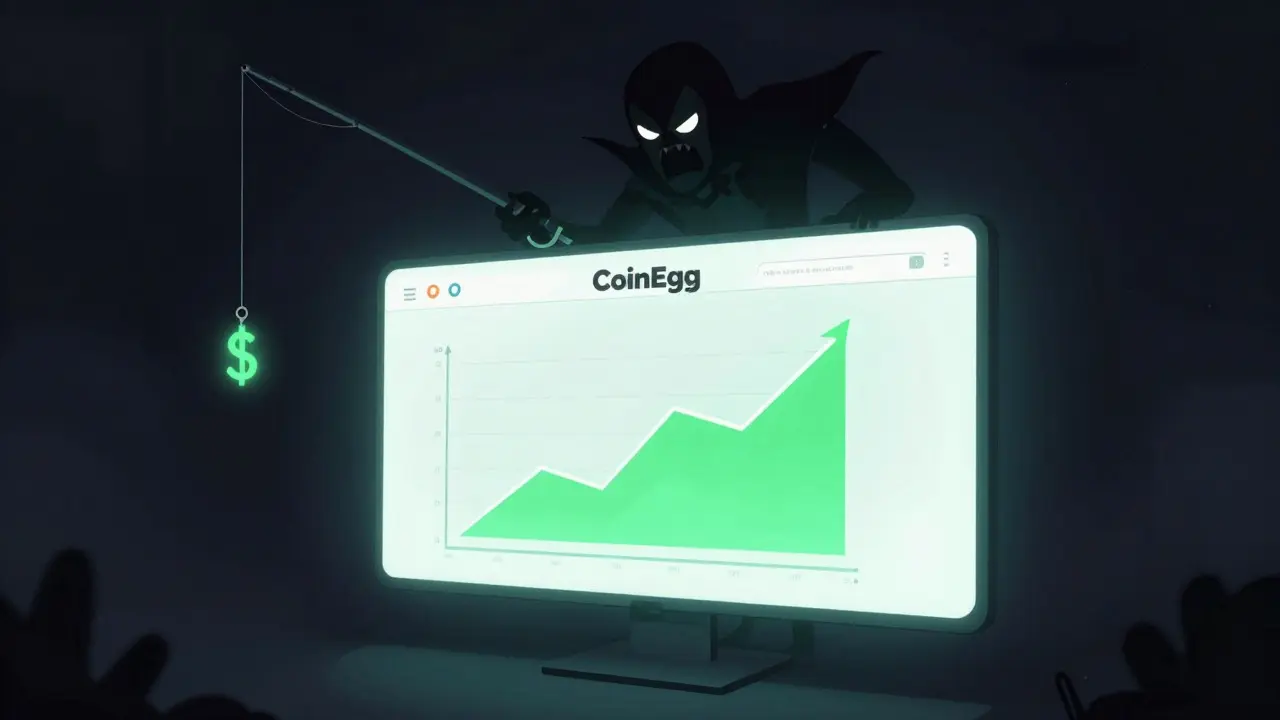
You type CoinEgg into your browser, hoping to find a new place to trade. The site looks sleek. The returns look too good to be true. But here is the hard truth you need to hear right now: The legitimate CoinEgg exchange ceased operations years ago, and every platform using that name today is a sophisticated scam designed to steal your money.
If you are reading this because someone sent you a link, or if you found an ad promising easy profits, stop. Take a breath. You are likely looking at a "pig-butchering" fraud operation. This review isn't about comparing fees or app features like we do for active exchanges. It is a warning. We will break down what happened to the real CoinEgg, how the scammers are using its dead name, and exactly how to spot these traps before they drain your wallet.
The Real CoinEgg: A Brief History of Collapse
To understand the current danger, we have to look back. The original CoinEgg Limited was founded in 2017. It operated out of the Seychelles, a jurisdiction known for lax financial regulations. At its peak in early 2018, it processed around $15.7 million in daily volume. That sounds impressive until you compare it to giants like Binance, which were handling billions during the same period.
The platform struggled from day one. It lacked basic security protocols. There was no proper KYC (Know Your Customer) verification beyond a simple email check. No regulatory licenses from major bodies like the FCA or SEC. And crucially, there was no insurance for user funds.
In 2018, hackers stole 1,270 ETH (worth roughly $486,000 at the time) from its hot wallets. Trust evaporated. By late 2019, the site was effectively dead. The domain expired on February 14, 2020. The company dissolved. Yet, the brand name didn't die with it-it was resurrected by criminals.
The Modern Trap: Pig-Butchering Scams
Today, if you see "CoinEgg" advertised, you are not seeing a crypto exchange. You are seeing a social engineering trap. Cybersecurity firms like TechForing and DataVisor classify all current CoinEgg domains as fraudulent. They use a method called "pig-butchering."
Here is how it works:
- The Hook: You meet someone online-a romantic interest, a new friend, or a "financial mentor." They seem knowledgeable and trustworthy.
- The Feed: Over weeks or months, they casually mention their success trading on "CoinEgg." They show you screenshots of massive profits. They invite you to join them.
- The Slaughter: You deposit money. At first, you might even withdraw small amounts to build trust. Then, you deposit a large sum. Suddenly, the platform says you owe "taxes," "verification fees," or "margin calls." When you pay those, they ask for more. Eventually, they lock your account and vanish.
In 2024 alone, victims lost over $1.8 million to these specific CoinEgg impersonation scams. The platforms look real. The charts move. But the backend is controlled entirely by the scammers. You are not trading against the market; you are trading against a rigged game.
Red Flags: How to Spot the Fake Exchange
Not every bad experience is a scam, but these signs are definitive proof of fraud. If you encounter any of these, close the tab immediately.
| Feature | Legitimate Exchange (e.g., Coinbase, Kraken) | Scam Platform (Fake CoinEgg) |
|---|---|---|
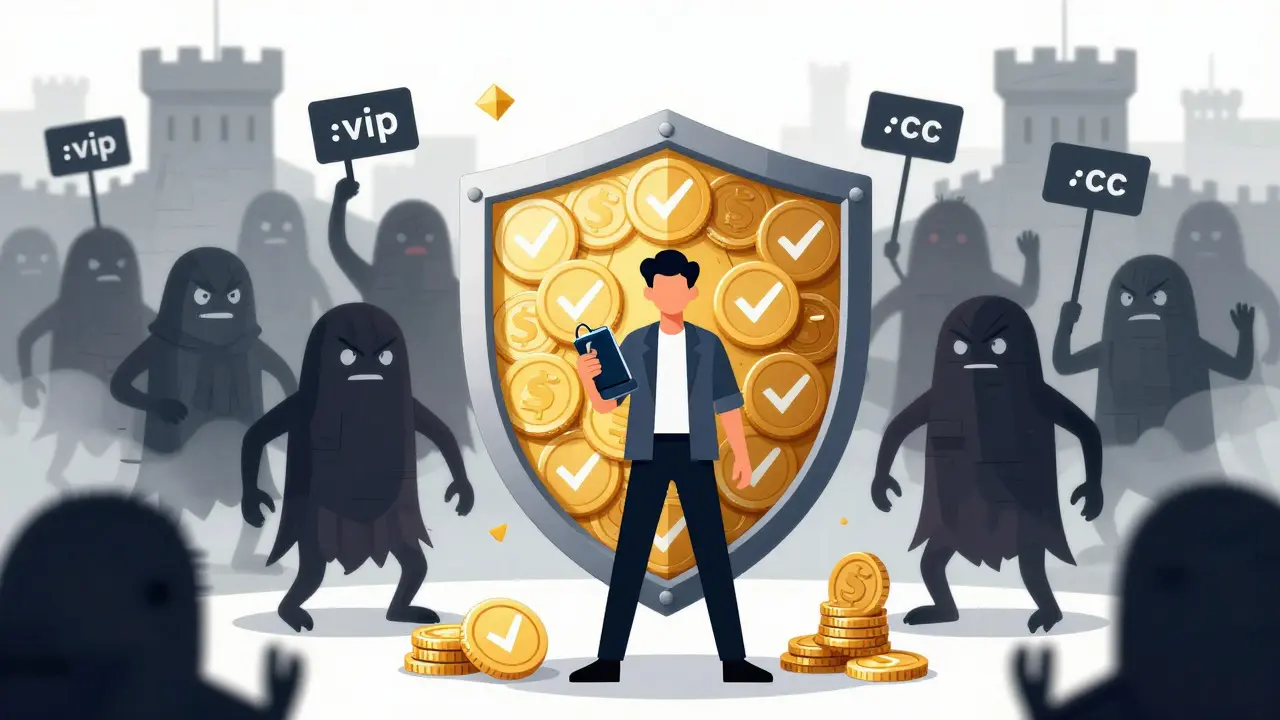
| Domain Name | Standard .com, .io, or country-specific TLD | Weird extensions like .vip, .cc, .vc, or misspellings |
| Contact Info | Verifiable phone number, physical address, support ticket system | Only Telegram, WhatsApp, or generic email forms |
| Withdrawals | Processed automatically within hours/days | Blocked until you pay extra "fees" or "taxes" |
| Regulation | Listed on regulator websites (FINRA, FCA, ASIC) | No traceable license; claims "international" regulation vaguely |
| Social Proof | Independent reviews on Trustpilot, Reddit discussions | Fake testimonials, paid influencers, isolated Telegram groups |
Notice the domain names. The real CoinEgg used coinegg.com. Today's scammers use URLs like ceggcc.vip or coinegg-pro.com. These domains cost almost nothing to register and can be deleted instantly once the police get involved.

Why Did the Original Fail? Lessons in Risk
Even before it died, the original CoinEgg was a risky bet. Experts like Dr. Michal Zając from CryptoCompare rated it a Tier 4 risk-the highest danger level for retail investors. Why?
- Opaque Ownership: No one knew who ran the company. Anonymous teams mean no accountability when things go wrong.
- Poor Liquidity: With only $15.7 million in daily volume, selling larger amounts caused huge slippage. If you tried to sell $5,000 worth of Bitcoin, you might only get $4,940 due to thin order books.
- No Fiat On-Ramps: You couldn't buy crypto with a credit card or bank transfer directly on the platform. You had to send crypto from another wallet, adding complexity and risk for beginners.
- Technical Instability: The mobile app had a 42% crash rate. APIs were slow. For a financial platform, reliability is non-negotiable.
These flaws made the original exchange vulnerable. They also make the fake ones easier to spot. A legitimate exchange invests heavily in infrastructure. A scammer just needs a website template and a convincing story.
What To Do If You've Been Targeted
If you have already deposited funds into a fake CoinEgg platform, act fast. Time is your enemy.
- Stop Sending Money: The most common mistake is paying the "withdrawal fee." It never ends. Every dollar you send is gone forever.
- Gather Evidence: Save screenshots of chats, transaction hashes, and the website URL. Note the dates and times.
- Report It: File a report with the IC3.gov (Internet Crime Complaint Center) if you are in the US, or your local cybercrime unit. In New Zealand, contact the Police Fraud Squad.
- Trace the Funds: While difficult, blockchain analysis tools can sometimes track where stolen funds went. Services like Chainalysis help law enforcement, but individual recovery is rare without legal action.
Be wary of "recovery agents" who promise to get your money back for a fee. Most of them are secondary scams targeting desperate victims.
Safe Alternatives for Trading in 2026
You don't need a shady offshore platform to trade crypto. Stick to regulated, transparent exchanges with proven track records.
- Coinbase: Publicly traded company (NASDAQ: COIN). High regulatory compliance. Great for beginners.
- Kraken: Known for strong security and customer service. Offers advanced trading features.
- Binance: Largest volume globally. Low fees, but ensure you are using the correct regional entity compliant with local laws.
- KuCoin: Good for altcoin variety, though always verify current regulatory status in your country.
Always enable two-factor authentication (2FA) using an authenticator app, not SMS. Withdraw large holdings to a hardware wallet like Ledger or Trezor.
Final Verdict: Avoid CoinEgg at All Costs
Is CoinEgg safe? No. Is it legitimate? Not anymore. The name belongs to a defunct company that failed due to poor security and lack of regulation. Today, it is a brand hijacked by scammers preying on hope and greed.
Before you click any link, ask yourself: Who recommended this? Do they stand to gain if you lose money? If the answer is unclear, walk away. The crypto market is volatile enough without adding fraud to the mix. Protect your capital by sticking to verified, regulated platforms.
Is CoinEgg still operational in 2026?
No. The legitimate CoinEgg exchange shut down in 2020. Any website currently using the CoinEgg name is a fraudulent scam operation.
How do I know if a crypto exchange is a scam?
Check for regulatory licenses, verifiable contact information, and independent reviews. Be suspicious of platforms that demand upfront fees for withdrawals or are promoted exclusively through private social media messages.
What is a pig-butchering scam?
It is a long-con fraud where criminals build emotional relationships with victims to convince them to invest in fake investment platforms. Victims slowly increase their deposits until the scammers lock their funds and disappear.
Can I recover money lost to a fake CoinEgg site?
Recovery is difficult but possible in some cases. Report the crime to local authorities and IC3.gov immediately. Provide all transaction hashes and chat logs. Beware of secondary scams promising guaranteed recovery.
Why did the original CoinEgg fail?
The original platform suffered from low liquidity, poor security (including a major hack), lack of regulatory compliance, and anonymous ownership. These factors led to a loss of user trust and eventual collapse.