 Jun, 15 2026
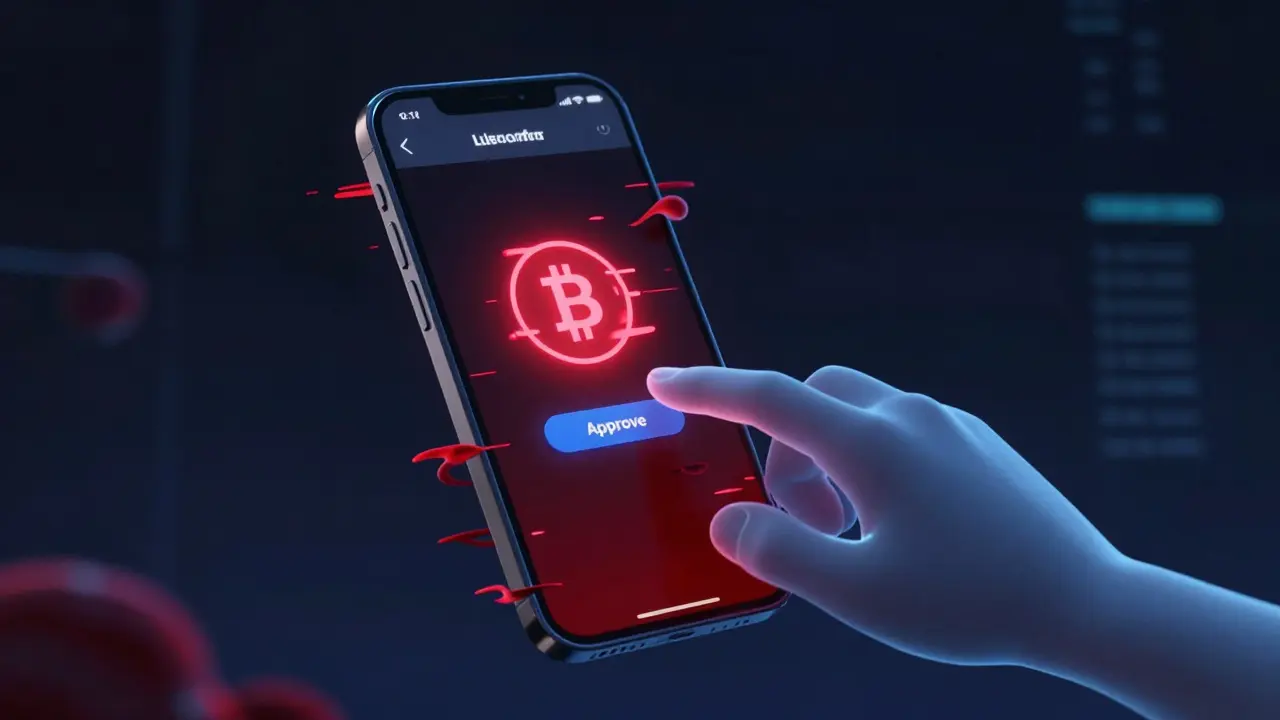
You just found an amazing airdrop opportunity. The website looks professional, the tokenomics make sense, and the community chat is buzzing with excitement. You connect your wallet, click "Approve," and suddenly your balance hits zero. This isn't a glitch. It’s a meticulously crafted trap designed by criminals who understand exactly how blockchain interactions work.
In the world of cryptocurrency, security isn't just about having a strong password. It's about recognizing that the interface you're trusting might be lying to you. Fake wallet apps and phishing sites have evolved from simple typosquatting domains into sophisticated operations that mirror legitimate platforms pixel-for-pixel. With over 420 million crypto users globally, the attack surface is massive, and the stakes are higher than ever because blockchain transactions are irreversible.
The Anatomy of a Modern Crypto Heist
Gone are the days when scammers relied on bad grammar and obvious fake URLs. Today’s threats are technical masterpieces. To protect yourself, you need to understand the three main vehicles used to steal your assets: fake applications, deceptive websites, and malicious smart contracts.
Fake wallet apps are often distributed through unofficial channels or even disguised within legitimate-looking app store listings. These apps mimic the user interface of popular wallets like MetaMask, Trust Wallet, or Phantom. When you install them, they look identical to the real thing. However, behind the scenes, they contain code that captures your private keys or seed phrases the moment you enter them. Some versions are more subtle; they allow you to check balances and send small amounts to build trust, but once you deposit a significant amount, the app locks you out or drains the funds silently.
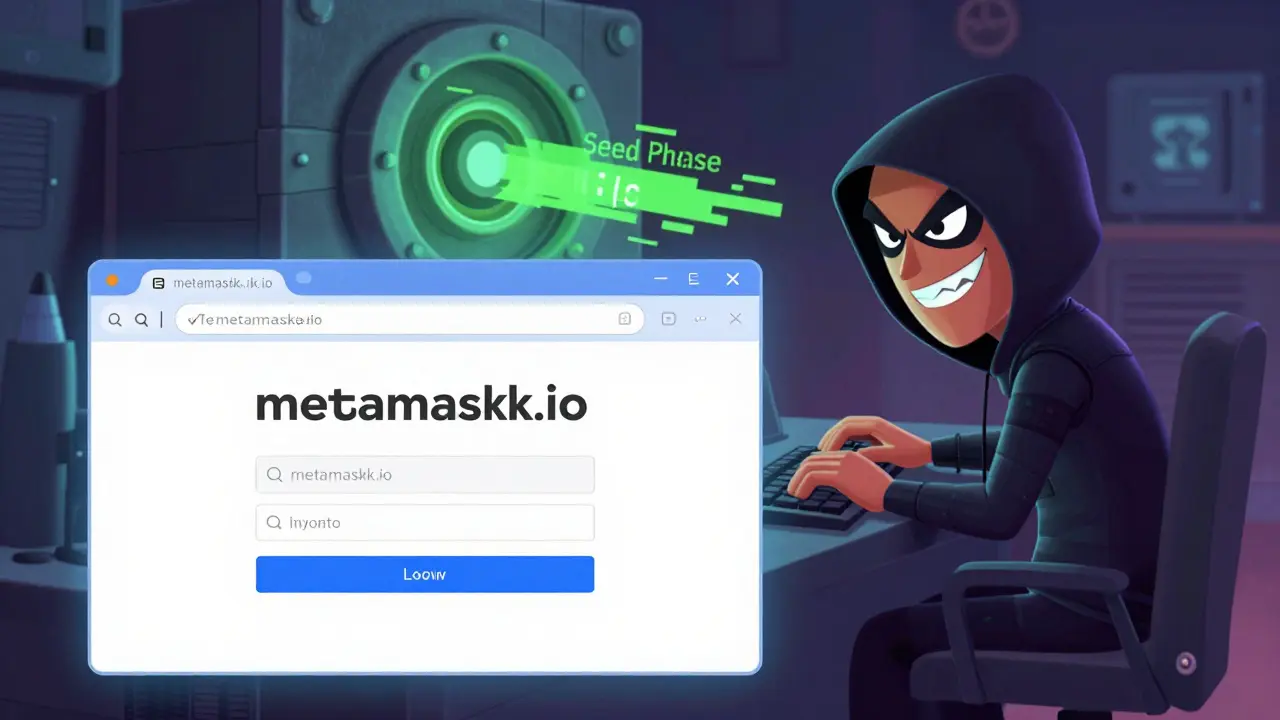
Phishing sites operate similarly but exist only in your browser. Attackers register domains that differ from the legitimate site by a single character-like metamask.io vs metamaskk.io. They then clone the entire login page. When you type in your recovery phrase, thinking you’re syncing a new device, you’re actually handing it directly to the attacker. Unlike traditional banking, where a stolen password can be reset, losing your seed phrase means losing access to every asset stored in that wallet forever.
Wallet Drainers: The Silent Threat in DeFi
If fake apps and phishing sites are the bait, wallet drainers are the hook. This is currently the most dangerous vector for advanced users interacting with decentralized finance (DeFi). A wallet drainer doesn't ask for your password. Instead, it asks for permission.
Here is how it works: You visit a site claiming to offer a free NFT mint or a token airdrop. The site prompts you to connect your wallet and sign a transaction. The transaction description says something benign like "Mint NFT" or "Claim Tokens." But the underlying smart contract code contains a hidden function that grants the attacker unlimited spending allowance on your tokens.
Once you sign that approval, the attacker can drain your USDC, ETH, or other ERC-20 tokens at any time, without needing your password again. This happened during the January 2024 incident where attackers compromised Mandiant’s social media account to promote a fake $PHNTM token. Users connected their wallets to claim the airdrop, signed the malicious approval, and lost approximately $900,000 worth of Solana assets in minutes. The key takeaway? Never sign a transaction unless you have verified the exact contract address against official sources.
Social Engineering: The Human Firewall Breach
Technology alone won’t save you if the human element fails. Scammers exploit psychology as much as they exploit code. Two specific tactics stand out in the current landscape:
- Pig Butchering Scams: This is a long-con operation. A stranger contacts you on social media or a dating app. Over weeks or months, they build a genuine relationship, sharing life stories and investing advice. Eventually, they introduce you to a "private trading platform" that shows incredible returns. You start small, withdraw some profit to verify legitimacy, and then invest everything. The platform is fake, controlled entirely by the scammer. When you try to withdraw large sums, they demand "taxes" or "fees" until you run out of money.
- Fake Support Scams: Have you received a DM from someone claiming to be from customer support, saying your wallet has been compromised and needs verification? Legitimate wallet providers will never contact you first via Telegram, Discord, or email to ask for your seed phrase. These scammers create urgency and fear to bypass your critical thinking.
Demographics and Vulnerability Patterns
Who gets targeted? Everyone. Research indicates that susceptibility varies by age and experience, but no group is immune. A study published in Wikipedia’s analysis of phishing showed that 43% of users aged 18-25 clicked on simulated phishing links, while 58% of older users did the same. Interestingly, younger users became slightly more cautious over time, but older demographics remained stable in their vulnerability rates.
New crypto users are particularly at risk because they lack the context to recognize red flags. They might not know what a seed phrase is, or why they should never share it. Experienced users face different risks, such as complex DeFi exploits or spear-phishing attacks targeting their larger holdings. Whaling attacks specifically target high-profile individuals, using personalized information gathered from social media to craft convincing messages.
Comparison: Real vs. Fake Indicators
| Feature | Legitimate Service | Fake / Phishing Attempt |
|---|---|---|
| Domain Name | Exact match to official brand (e.g., metamask.io) | Subtle typos, extra characters, or different TLDs (e.g., .net, .xyz) |
| Contact Method | Only through official help centers or verified social handles | Unsolicited DMs, emails, or calls claiming urgent issues |
| Seed Phrase Request | Never asks for it. Generated locally on your device. | Asks you to type it into a web form or chat box |
| Transaction Approval | Clear details on gas fees and recipient address | Vague descriptions like "Sign Message" or "Approve All" |
| Return Promises | No guaranteed returns; market-dependent | Guaranteed high daily/weekly profits with low risk |
Practical Defense Strategies for 2026
Protecting your assets requires a layered approach. Relying on one method is insufficient. Here are actionable steps to secure your digital life:
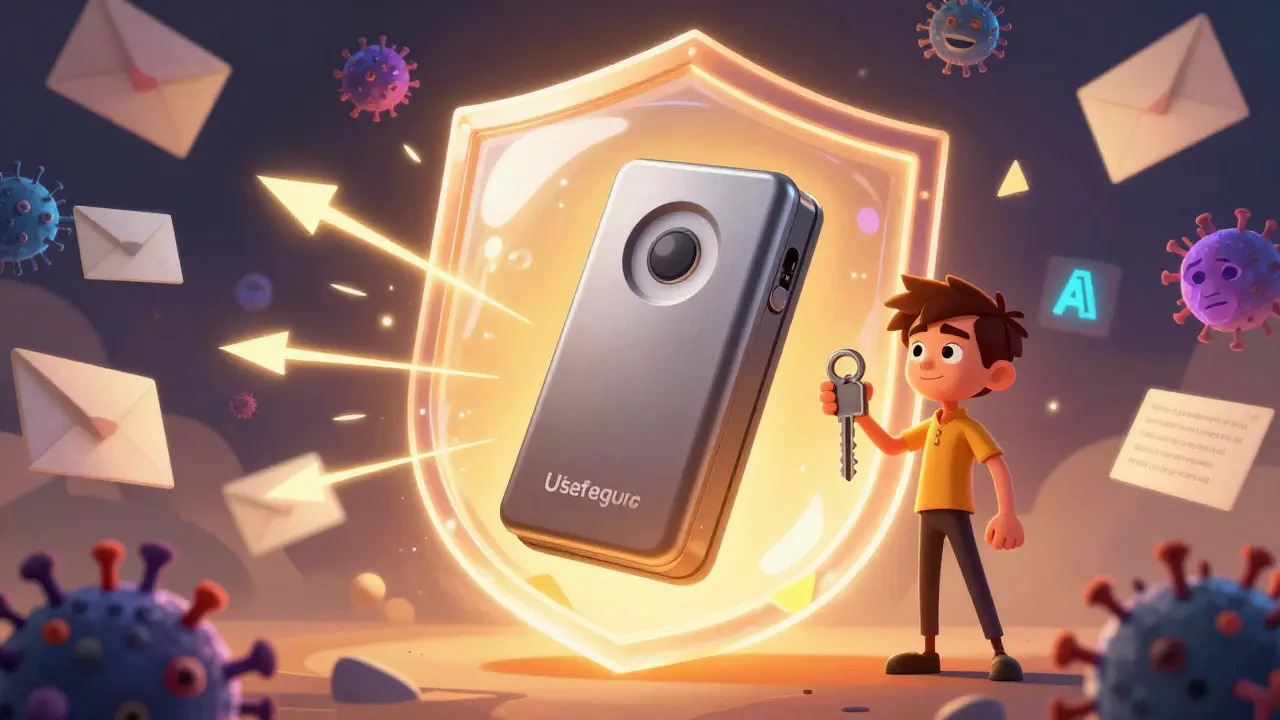
- Use Hardware Wallets for Significant Holdings: Keep your primary assets in cold storage devices like Ledger or Trezor. These devices require physical confirmation for every transaction, making remote draining nearly impossible.
- Bookmark Official Sites: Never search for wallet or exchange URLs in Google. Search results are often dominated by ads and phishing clones. Bookmark the official homepage after verifying it through multiple trusted sources.
- Verify Contract Addresses: Before signing any DeFi transaction, copy the contract address and paste it into a block explorer like Etherscan or Solscan. Check if it matches the official address listed on the project’s verified documentation.
- Enable 2FA Everywhere: Use authenticator apps (like Google Authenticator or Authy) instead of SMS for two-factor authentication. SIM swapping attacks can intercept SMS codes, but hardware-based 2FA is much harder to bypass.
- Isolate Your Browsing: Use separate browsers or profiles for browsing social media and for connecting to wallets. If you accidentally click a malicious link while browsing Twitter, your wallet browser remains clean.
The Future of Crypto Security
The arms race between attackers and defenders is intensifying. In 2026, we are seeing the rise of AI-generated phishing content. Deepfakes can now produce video messages from fake support agents, making visual verification less reliable. Regulatory frameworks are tightening, requiring exchanges and wallet providers to implement stricter identity verification and security protocols.
However, technology cannot solve human error entirely. The most effective defense remains skepticism. If an offer seems too good to be true, it is. If someone pressures you to act quickly, pause. If a website asks for your seed phrase, close it immediately. The cost of being wrong in crypto is total loss, so the margin for error is zero.
Can I recover my crypto if I fall for a phishing scam?
Generally, no. Blockchain transactions are irreversible. Once funds are sent to a scammer's wallet, they cannot be recalled. If you shared your seed phrase, you must assume all funds in that wallet are compromised and move remaining assets to a new wallet with a fresh seed phrase immediately. Report the incident to law enforcement, but do not expect fund recovery.
How can I tell if a wallet app is fake?
Check the developer name in the app store. Legitimate wallets are published by well-known companies (e.g., ConsenSys for MetaMask). Look at the number of downloads and reviews; fake apps often have fewer downloads or suspiciously generic positive reviews. Most importantly, never download wallet apps from direct links in emails or social media messages. Always go directly to the official app store or website.
What is a wallet drainer and how does it work?
A wallet drainer is a malicious smart contract that tricks you into signing an "approval" transaction. This approval gives the attacker permission to spend your tokens up to a certain limit (often infinite). Once signed, they can transfer your assets out of your wallet without further interaction from you. Always review the exact terms of any transaction before signing.
Should I use a hardware wallet for all my crypto?
It is highly recommended for long-term holdings and significant amounts. Hardware wallets keep your private keys offline, protecting them from malware and phishing attacks on your computer or phone. For small amounts used for frequent trading or DeFi interactions, a reputable software wallet may be acceptable, but always practice strict hygiene.
Are SMS two-factor authentication codes safe?
SMS 2FA is vulnerable to SIM swapping attacks, where criminals trick your mobile carrier into transferring your phone number to their SIM card. This allows them to intercept your verification codes. Use an authenticator app (like Google Authenticator) or a hardware security key (like YubiKey) for stronger protection.