 Aug, 7 2026
You type ko.one into your browser, hoping to find the next big trading platform. You see a sleek design, maybe some promises of high returns, and you start thinking about depositing your savings. But wait. Have you ever heard of this exchange before? If not, that silence is loud. In the world of cryptocurrency, anonymity is often a red flag, not a feature.
As of August 2026, there is virtually no credible information about a major, regulated cryptocurrency exchange operating under the domain ko.one. This absence isn't just an oversight; it's a critical data point. Legitimate financial institutions leave digital footprints everywhere-news articles, regulatory filings, user reviews on trusted sites like Trustpilot, and listings on aggregators like CoinMarketCap or CoinGecko. When none of these exist, you need to pause and look closer.
The "Ghost" Exchange Problem
Why does it matter if you can't find information? Because in crypto, transparency is currency. A legitimate exchange needs to prove it holds your funds securely and operates within legal boundaries. Without verifiable data, you are flying blind.
It is highly likely that ko.one is either a brand-new, unproven platform with zero track record, a phishing site designed to steal credentials, or a clone of a more established name. The closest phonetic match is Coinone, a well-known South Korean cryptocurrency exchange. Coinone has been around since 2013, ranks among the top exchanges in South Korea, and has publicly audited security measures. However, Coinone uses the domain coinone.co.kr, not ko.one. Confusing the two could lead you into trouble if scammers are mimicking the branding.
How to Spot a Fake or Risky Crypto Platform
If you are considering using ko.one, or any obscure exchange, you need to run a rigorous background check. Here is what legitimate platforms have that shady ones lack:
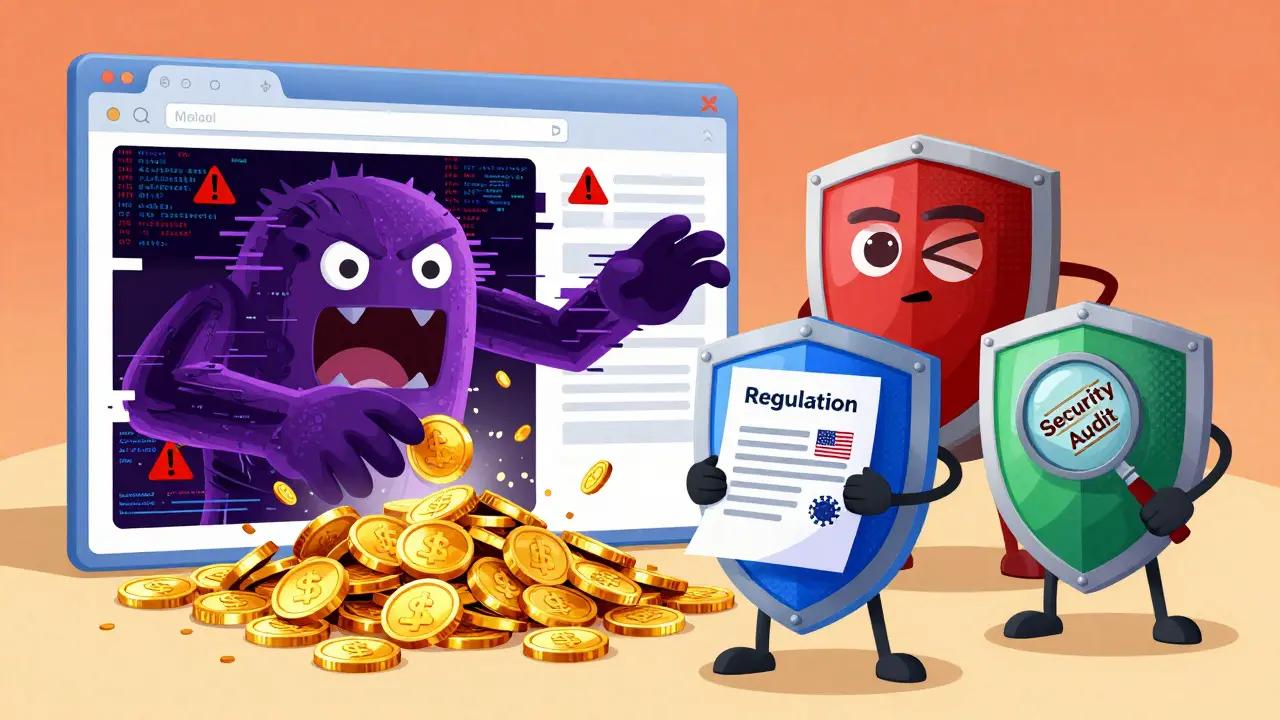
- Regulatory Licenses: Real exchanges register with financial authorities. In the US, they register with the FinCEN as Money Service Businesses (MSBs). In Europe, they comply with MiCA regulations. In South Korea, they follow FSC guidelines. Can you find ko.one on any government registry?
- Security Audits: Top-tier exchanges hire firms like CertiK or Hacken to audit their smart contracts and infrastructure. These audits are public. Does ko.one publish a recent audit report?
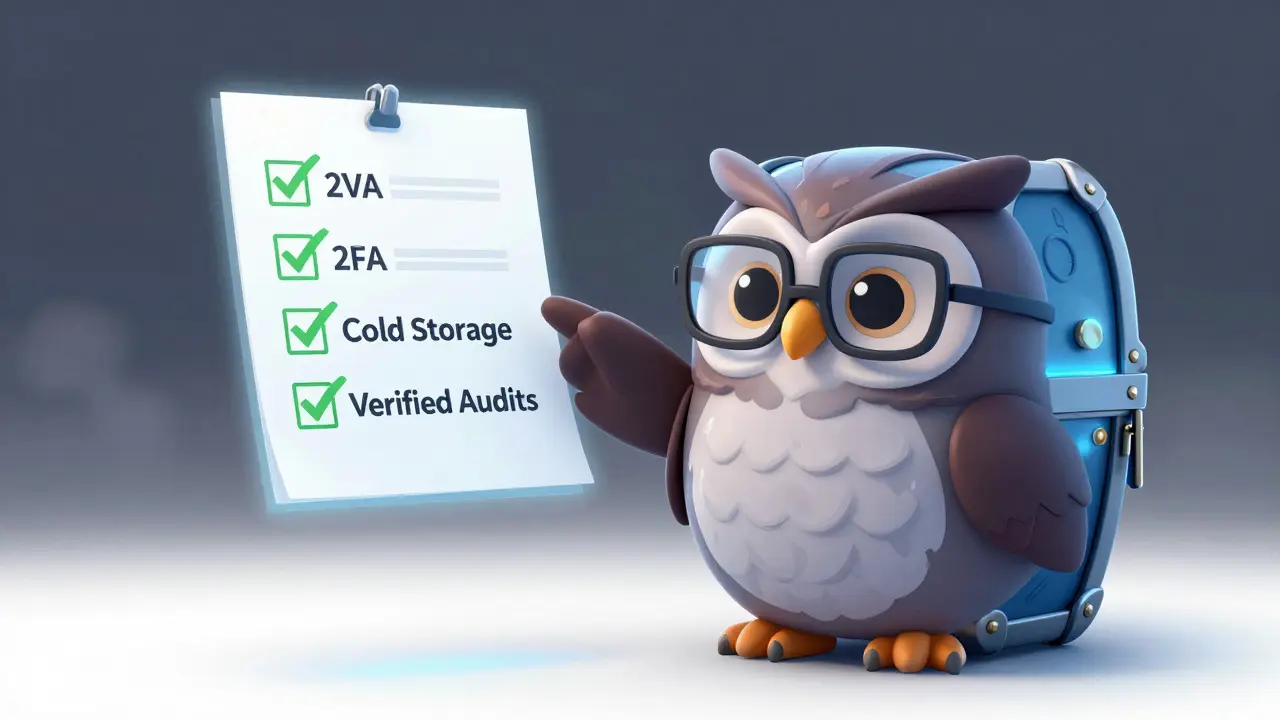
- Cold Storage Proof: Legitimate exchanges keep the majority of user funds in cold storage (offline wallets) to prevent hacking. They often provide proof-of-reserves. Does ko.one show where your money sits?
- Community Presence: Check Reddit, Twitter (X), and Telegram. Are real users discussing trades, or is it all bots posting generic praise? Search for "ko.one scam" or "ko.one withdrawal issues." If the only results are from the site itself, be wary.
Lessons from History: Why Security Matters
The stakes are high because history is littered with cautionary tales. Remember Mt. Gox? Once handling 70% of all Bitcoin transactions, it collapsed in 2014 after losing 850,000 BTC due to poor security practices. More recently, in late 2024, Japan's DMM Bitcoin suffered a massive breach by North Korea-affiliated hackers, losing over $300 million in assets. This led to its shutdown and merger with SBI VC Trade in early 2025.
These weren't small errors; they were catastrophic failures of security protocols. If an established player like DMM Bitcoin can fall, what chance does an unknown entity like ko.one have against sophisticated cybercriminals? The difference is that DMM had insurance, regulation, and a clear path for customer compensation. An unverified exchange may simply vanish with your funds.
Safer Alternatives for Trading in 2026
Instead of gambling with an unknown platform, consider sticking to exchanges that have proven their resilience and compliance. Here is how they compare:
| Feature | Established Exchanges (e.g., Coinbase, Kraken) | Unknown Platforms (e.g., ko.one) |
|---|---|---|
| Regulatory Status | Licensed in multiple jurisdictions (US, EU, Asia) | Unknown or none |
| Security Audits | Regular third-party audits published | No public records |
| User Reviews | Thousands of independent reviews | Few or no independent reviews |
| Insurance | Often insured against theft/hacks | Unlikely |
| Support | 24/7 dedicated support teams | Automated or non-existent |
For beginners, Coinbase remains the gold standard for ease of use and regulatory compliance in the West. For advanced traders who want lower fees and deep liquidity, Kraken or Binance (where legally available) offer robust tools. If you are in South Korea, stick to Coinone, Bithumb, or Upbit, which are heavily regulated by the Financial Services Commission.
Red Flags to Watch For
If you decide to investigate ko.one further, look for these specific warning signs:
- Guaranteed Returns: No investment is guaranteed. If they promise daily profits, it's a Ponzi scheme.
- Pressure to Deposit: Urgent messages telling you to buy now or miss out are classic manipulation tactics.
- Poor Website Quality: Broken links, spelling errors, or copied content from other sites indicate a rushed job.
- Hidden Fees: Vague fee structures or surprise charges during withdrawal are common traps.
- KYC Evasion: While privacy is good, total anonymity for large deposits often signals money laundering risks. Conversely, demanding excessive personal data without encryption is a privacy nightmare.
Protecting Your Assets: Best Practices
Regardless of which exchange you choose, your security depends largely on your habits. Enable Two-Factor Authentication (2FA) immediately. Avoid SMS-based 2FA if possible; use an authenticator app like Google Authenticator or a hardware key like YubiKey for FIDO2 compliance. Keep your private keys separate from your exchange accounts. As the saying goes, "Not your keys, not your coins." For long-term holdings, move your crypto to a hardware wallet like Ledger or Trezor.
In summary, the lack of information surrounding ko.one is a significant risk factor. In the crypto space, obscurity rarely equals opportunity-it usually equals danger. Stick to platforms with transparent operations, verified security, and a strong reputation. Your portfolio will thank you.
Is ko.one a legitimate crypto exchange?
As of August 2026, there is no verifiable evidence that ko.one is a legitimate, regulated cryptocurrency exchange. The lack of online presence, user reviews, and regulatory filings suggests it may be a scam or an unproven platform. Users should exercise extreme caution.
What is the difference between ko.one and Coinone?
Coinone is a well-established, regulated South Korean exchange founded in 2013. Ko.one appears to be an unrelated, obscure domain with no clear connection to Coinone. Confusing the two could lead to financial loss if ko.one is a phishing site mimicking Coinone's brand.
How can I check if a crypto exchange is safe?
Check for regulatory licenses, read independent user reviews on sites like Trustpilot, verify security audits from firms like CertiK, and ensure the exchange uses cold storage for funds. Look for a physical address and responsive customer support.
Are there any known scams associated with ko.one?
While specific widespread reports are scarce due to the platform's low visibility, the absence of information itself is a red flag. Many similar domains have been used for phishing attacks. Always verify URLs carefully.
What are the safest crypto exchanges in 2026?
Globally recognized safe exchanges include Coinbase, Kraken, Binance (in supported regions), and Bitstamp. In South Korea, Coinone, Bithumb, and Upbit are considered secure and compliant with local regulations.
Carl Michaud
August 8, 2026 AT 23:52the silence is deafening because the establishment wants you to keep your capital trapped in fiat prisons while they print more worthless paper. ko.one isn't a scam, it's a decentralized resistance node that hasn't been indexed by the SEO bots of the financial industrial complex yet. you're looking for regulatory filings? those are just shackles designed to prevent true wealth accumulation outside the surveillance state. mt gox failed because it was too compliant with the old guard. this new wave operates in the shadows where real value hides.
Matt Kay
August 9, 2026 AT 05:23bro u r overthinking it. just use coinbase. dont waste time on ghost sites lol
Dave Kjendal
August 10, 2026 AT 11:29look at how simple life could be if we just accepted the obvious truth. most people are sheep following the herd into regulated slaughterhouses. i say ignore the noise and trust your gut. if it feels risky its probably safe because the masses are afraid. stay woke or stay broke basically. simple as that really.
Kat Bennett
August 11, 2026 AT 18:49i actually found this post super helpful because it breaks down exactly why transparency matters so much in such a volatile market and i appreciate the detailed comparison table which really clarifies the differences between established platforms like kraken versus these unknown entities that pop up every other week promising the moon but delivering nothing but headaches and lost funds so thank you for taking the time to write this out clearly for us regular folks who just want to trade without getting scammed.
Candice Cornett
August 13, 2026 AT 12:37you guys are all missing the point entirely. regulation is just a word used by losers to justify their lack of alpha. if ko.one is unregulated then it means they have zero overhead and can offer better spreads. stop crying about security audits and start making money. the moral high ground gets you nowhere in crypto. just deposit and see what happens. live risk free die poor.
Lance Jantz
August 15, 2026 AT 03:09oh my stars did someone mention privacy? i love a good mystery don't you? it's like dating a stranger in a dimly lit bar full of intrigue and potential danger. ko.one might be the next big thing or it might be a digital black hole sucking your sats into the void. either way it's an adventure worth having isn't it? let's dance with the devil in the pale moonlight of blockchain anonymity!
Don Fizy
August 16, 2026 AT 21:00hey there! great read (: always good to double check before diving in. i've been using ledger for years and it gives me peace of mind. maybe try that route instead of worrying about exchange hacks? happy trading everyone!!
Phil Babb
August 17, 2026 AT 11:27LISTEN UP!!! IF YOU ARE NOT USING A HARDWARE WALLET YOU ARE DOING IT WRONG!!! COINBASE IS SAFE BUT EVEN THEY CAN GET HACKED SO MOVE YOUR FUNDS!!! STOP BEING LAZY AND SECURE YOUR ASSETS!!! THE FUTURE IS NOW!!! BUY THE DIP!!!
Dominic Greco
August 17, 2026 AT 15:08🚨🚨🚨 WAKE UP SHEEPLE 🚨🚨🚨 the government wants you to use coinbase so they can track your every move 👁️👄👁️ ko.one is the only place left where you can hide from the deep state algorithms 🕵️♂️💸 join the resistance or get taxed into oblivion 📉🔥 #crypto #freedom #resist
Sean Rowland
August 18, 2026 AT 22:14one must consider the ontological implications of trusting an entity that refuses to manifest its existence within the public sphere. is ko.one a platform or merely a simulacrum of one? the boundary between user and exploited asset becomes porous when verification mechanisms are absent. we are essentially engaging in a social contract with a phantom. highly irregular. profoundly unsettling. proceed with extreme caution lest you find yourself the victim of a digital vanishing act.
Sus Sawyer
August 19, 2026 AT 15:18yo this article is spot on fam. i almost fell for a similar site last year called bit-trust or something. glad i read the comments here first. hardware wallets are the way to go no cap. keep yur keys private and stay safe out there in the wild west of web3. lets gooo!
Aryan MISHRA
August 20, 2026 AT 03:53very informative article!!! however you missed one crucial point!!! liquidity depth!!! without sufficient order book depth slippage will kill your profits!!! also gas fees on ethereum mainnet are still prohibitive for small trades!!! please consider layer 2 solutions!!!
Ryan Robinson
August 22, 2026 AT 01:05i mean yeah obviously stick to the big names. but hey if some guy named lance says its an adventure who am i to judge? lol just dont blame us when u lose ur rent money. chill vibes only though.
Earl Kott65
August 23, 2026 AT 06:11😂 oh look another conspiracy theorist telling us the feds are watching our bitcoin. sure carl. maybe theyre just trying to collect taxes like normal people do. anyway great guide tho! very thorough. 👏🎉
Ethan Yuwono
August 24, 2026 AT 13:56it is interesting to observe how fear drives so many narratives in this space. whether it is paranoia about government surveillance or anxiety about rug pulls the underlying emotion remains the same. perhaps the solution lies not in choosing sides but in cultivating personal responsibility and education. after all knowledge is the ultimate hedge against uncertainty.
Prudence Flemming
August 26, 2026 AT 01:52transparency is currency indeed but what is currency but a shared hallucination of value agreed upon by the collective consciousness? ko.one exists in the liminal space between reality and fiction. by demanding proof of reserves we impose a materialist framework on an immaterial asset class. perhaps the ghost exchange is the purest form of crypto because it has no physical anchor to corrupt. it is pure idea. dangerous yes but philosophically fascinating.