 May, 25 2026
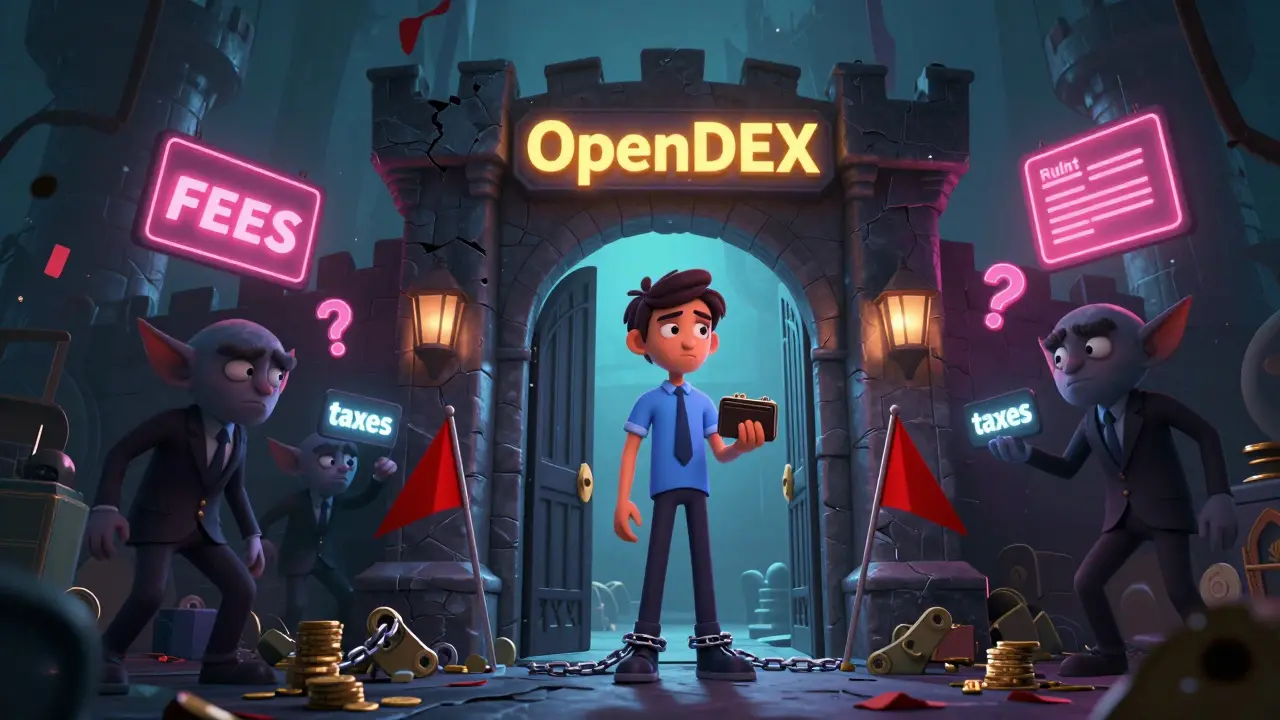
Have you heard about OpenDEX and are wondering if it’s a legit place to trade your crypto? The short answer is no. Based on extensive user reports, regulatory warnings, and a complete lack of transparent technical data, OpenDEX is widely considered an unreliable and potentially fraudulent cryptocurrency platform that users should actively avoid. In the fast-moving world of digital assets, finding a trustworthy exchange is critical. Unfortunately, OpenDEX has earned a reputation for trapping funds behind unexpected fees and failing to provide basic operational transparency. This review isn’t just about saying “no.” It’s about explaining why OpenDEX fails every major safety check, how these scams operate in 2026, and where you can actually trade safely. If you’ve already deposited money into OpenDEX, this guide will help you understand what happened and what steps to take next. If you’re looking for a new exchange, I’ll show you the vetted alternatives that dominate the market today.
Why OpenDEX Is Flagged as Unreliable
The first red flag with any crypto platform is its reputation among independent reviewers. Reputable sources like Revain.org explicitly document OpenDEX as "not considered a reliable platform for crypto exchange." This isn’t a minor complaint about slow customer service; it’s a fundamental warning about trust. Users report that while the platform initially marketed itself as an "incredible password currency exchange," the reality quickly diverged from those promises. What makes OpenDEX particularly dangerous is the pattern of behavior it exhibits, which mirrors known fraud tactics documented by the California Department of Financial Protection and Innovation (DFPI). According to their September 2025 update, fraudulent platforms often appear legitimate at first but then demand unexpected fees-such as "platform fees," "Know Your Customer" fees, or "maintenance fees"-before allowing withdrawals. This is exactly what users have reported with OpenDEX. Legitimate exchanges never ask for extra payments to release your own funds. If a platform tells you that you need to pay more to get out, it is almost certainly a scam.
The Missing Technical Proof
In 2026, a legitimate cryptocurrency exchange must be transparent about how it works. Whether it’s a centralized exchange like Coinbase or a decentralized one like Uniswap, the underlying technology should be clear. For OpenDEX, there is virtually no verifiable technical information available. There are no published details about its blockchain integration, security protocols, or transaction processing capabilities. Compare this to established players. Uniswap, a leading decentralized exchange, locks over $4 billion in Total Value Locked (TVL) and operates openly on Ethereum. PancakeSwap holds over $2 billion TVL on BNB Chain. Even newer platforms like dYdX openly detail their Layer 2 architecture. These platforms publish regular security audits and transparency reports. OpenDEX publishes nothing. This silence is not a sign of secrecy; it’s a sign of non-existence or illegitimacy. Without code repositories, smart contract audits, or clear fee structures, you have no way to verify if your funds are safe.
| Feature | OpenDEX | Legitimate DEXs (e.g., Uniswap) |
|---|---|---|
| Transparency | No public tech docs or audits | Open-source code, regular audits |
| Fee Structure | Hidden/unexpected withdrawal fees | Predictable network gas + protocol fees |
| Regulatory Status | Unverified, flagged by DFPI patterns | Compliant or clearly non-custodial |
| User Reviews | Overwhelmingly negative (Revain) | Mixed but active community support |
| TVL/Volume Data | None verifiable | Billions in tracked volume (DeFiLlama) |
Don't Confuse OpenDEX With OpenDAX
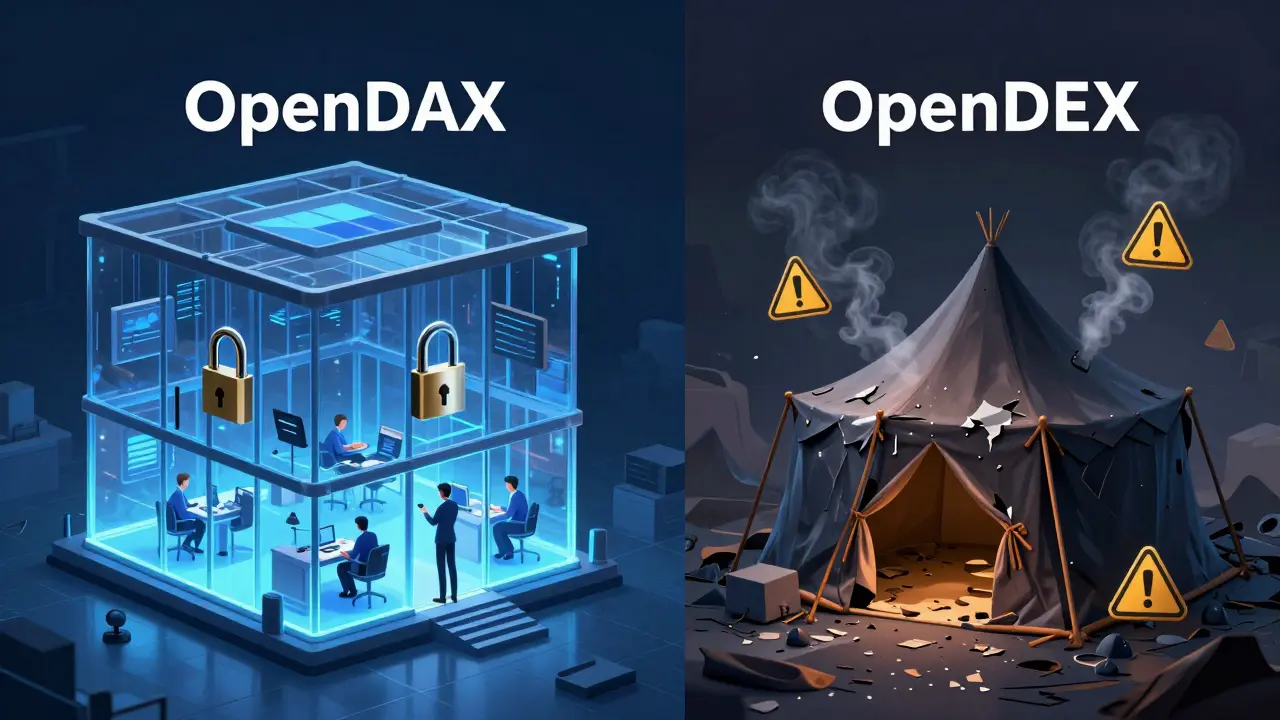
A common point of confusion is the name similarity between OpenDEX and OpenDAX. It is crucial to understand that these are completely different entities. OpenDAX is a legitimate white-label exchange solution developed by Openware. It provides the infrastructure for businesses to launch their own crypto exchanges. It is software, not a consumer trading platform. OpenDAX Aurora, another product in this family, is described as powerful cryptocurrency exchange software for businesses. When you see positive reviews for "OpenDAX," they are referring to this enterprise-grade technology stack, which offers robust security and liquidity services. OpenDEX, however, presents itself as a direct-to-consumer exchange. Do not let the similar names fool you into trusting OpenDEX based on OpenDAX’s reputation. They share only a name, not a lineage or legitimacy.
How to Spot Similar Crypto Scams in 2026
Understanding why OpenDEX failed helps you avoid the next bad actor. The global cryptocurrency exchange market was valued at $7.86 billion in 2024 and is projected to reach $23.32 billion by 2029. As the market grows, so do the scams. Here are the specific signs that indicate a platform is unsafe:
- Unexpected Fee Demands: If you try to withdraw and are asked for a "tax," "verification fee," or "gas top-up" sent to a personal wallet, stop immediately. Legitimate exchanges deduct fees from the withdrawal amount automatically.
- Lack of Regulatory Presence: Check if the exchange is registered with financial authorities like the SEC, FCA, or local equivalents. If they claim to be regulated but you can’t find them in official registries, they are lying.
- Silence on Security: Does the site mention multi-signature wallets, cold storage, or insurance funds? If the security section is vague or missing, assume your funds are hot-walleted and vulnerable.
- No Community Footprint: Legitimate projects have active communities on Reddit, Twitter, or Discord where real users discuss issues. If the only voices you hear are paid promoters or bots, walk away.
- Pressure Tactics: Scammers often create urgency, telling you that deposits must be made within hours to qualify for bonuses. Real investing doesn’t require panic.
Safe Alternatives for Trading Crypto in 2026
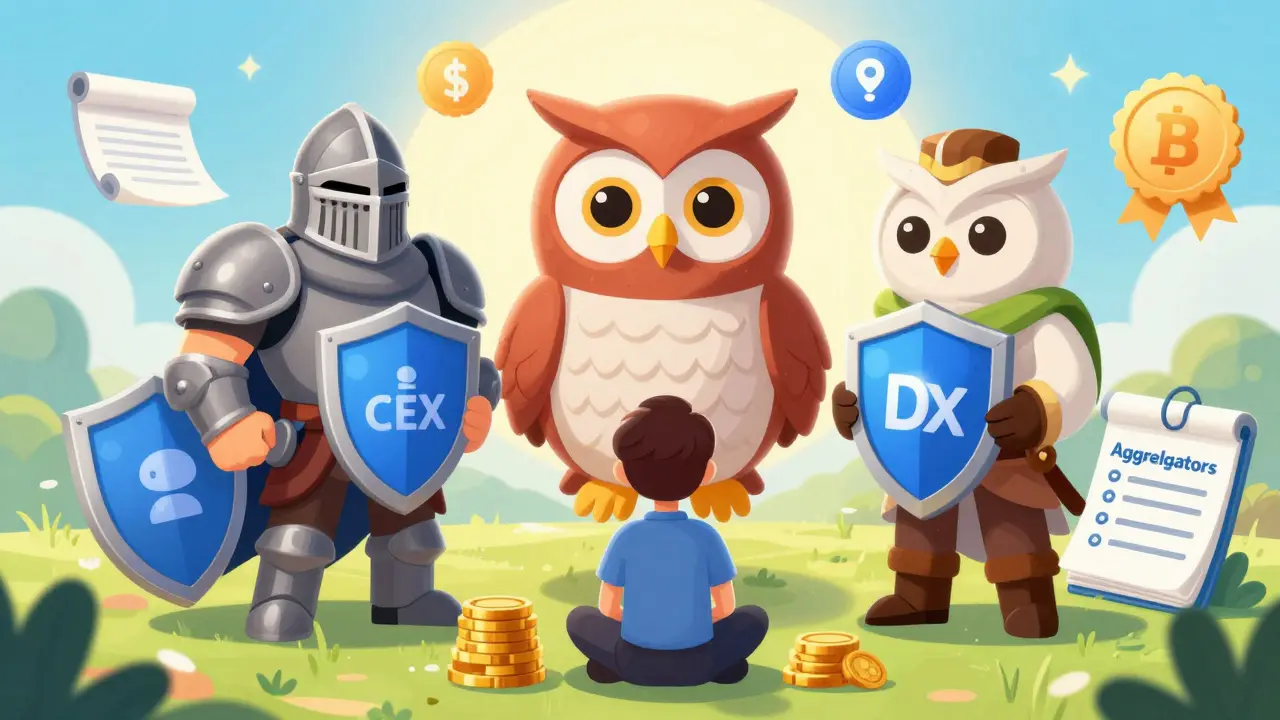
If you need a secure place to buy, sell, or swap cryptocurrencies, stick to platforms that have proven their reliability through years of operation and regulatory compliance. Here are three categories of safe alternatives:
- Top Centralized Exchanges (CEX): Platforms like Kraken and Coinbase offer high liquidity and strong security. Kraken, for example, offers zero-fee trading up to $10,000 per month with its Plus subscription ($4.99/month). These platforms undergo regular audits and comply with KYC/AML laws.
- Leading Decentralized Exchanges (DEX): If you prefer non-custodial trading, use Uniswap (Ethereum), PancakeSwap (BNB Chain), or Curve. These platforms allow you to trade directly from your wallet without giving up control of your keys. Their code is open-source, meaning anyone can audit it.
- Reputable Aggregators: Tools like 1inch or Matcha scan multiple DEXs to find you the best price. They add a layer of convenience without introducing custodial risk.
What To Do If You’ve Lost Money to OpenDEX
If you have already deposited funds into OpenDEX and are unable to withdraw, you are likely a victim of fraud. Time is critical. Here are the immediate steps you should take:
- Stop Sending Money: Do not pay any additional "fees" to release your funds. This is a secondary scam designed to extract more money from desperate victims. You will not get your original deposit back by paying more.
- Gather Evidence: Save all screenshots of transactions, wallet addresses, emails, and chat logs. Note the dates, amounts, and any promises made by support staff.
- Contact Your Bank or Card Issuer: If you funded the account via credit card or bank transfer, contact them immediately to dispute the charge. While success is not guaranteed, especially with crypto purchases, some banks may reverse fraudulent transactions if caught early.
- Report to Authorities: File a report with your local financial regulator. In the US, report to the FTC and the CFTC. In New Zealand, report to the Financial Markets Authority (FMA). Also, report the incident to Interpol if cross-border fraud is suspected.
- Warn Others: Leave detailed reviews on sites like Revain.org, Trustpilot, and Reddit. Helping others avoid the same trap is the most valuable action you can take now.
Conclusion: Prioritize Safety Over Hype
The cryptocurrency industry is growing rapidly, but it remains a wild west where predators thrive. OpenDEX represents a classic example of a platform that prioritizes extraction over service. By lacking technical transparency, ignoring regulatory standards, and trapping users with hidden fees, it has failed the basic test of legitimacy. As you navigate the crypto landscape in 2026, remember that safety is not optional. Stick to platforms with verifiable track records, open-source code, or strong regulatory licenses. Don’t let the promise of high returns blind you to the risks. Your capital is hard-earned; protect it by choosing exchanges that respect your security and transparency rights.
Is OpenDEX a legitimate cryptocurrency exchange?
No, OpenDEX is not considered a legitimate or reliable cryptocurrency exchange. Multiple user reports and regulatory warnings indicate it operates using scam tactics, such as demanding unexpected fees for withdrawals and providing no verifiable technical documentation.
What is the difference between OpenDEX and OpenDAX?
OpenDAX is a legitimate white-label software solution by Openware that allows businesses to build their own exchanges. OpenDEX is a consumer-facing platform with a poor reputation for fraud. They are unrelated despite the similar names.
Can I recover my funds from OpenDEX?
Recovery is difficult but possible in some cases. Stop sending any more money, gather all evidence, and contact your bank to dispute charges. Report the fraud to local authorities and financial regulators immediately.
Which decentralized exchanges are safe to use in 2026?
Safe and reputable decentralized exchanges include Uniswap, PancakeSwap, Curve, and dYdX. These platforms have billions in Total Value Locked, open-source code, and active community oversight.
How do I know if a crypto exchange is a scam?
Red flags include unexpected withdrawal fees, lack of regulatory registration, no public security audits, vague technical details, and pressure to deposit quickly. Always check independent reviews and regulatory databases before trading.