 Aug, 16 2026
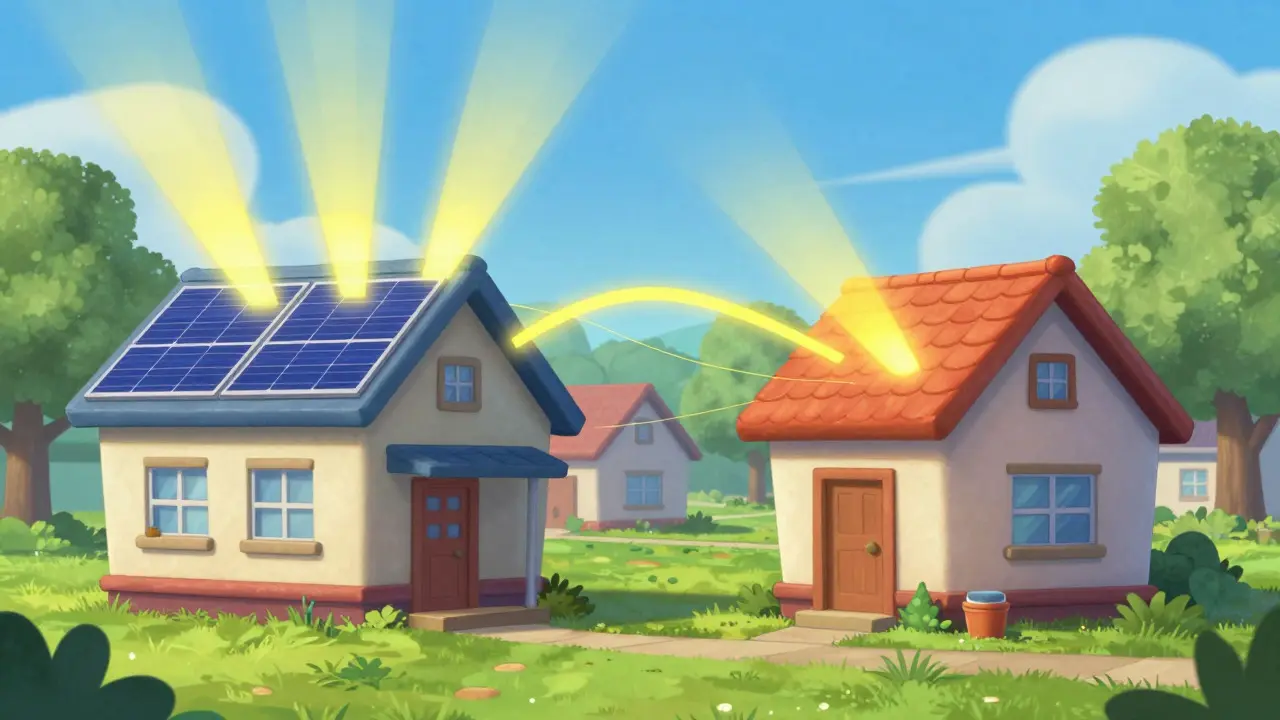
Imagine selling the excess solar power from your roof directly to your neighbor without calling a utility company. That is exactly what Smart Grid Management combined with blockchain technology aims to achieve. While traditional grids rely on central servers that can fail or be hacked, this new approach uses a decentralized ledger to record every kilowatt-hour exchanged. It sounds futuristic, but pilots are already running in places like Brooklyn and Germany. This guide breaks down how it actually works, where it shines, and where it still struggles.
Key Takeaways
- Blockchain enables secure, transparent peer-to-peer energy trading without central intermediaries.
- Permissioned networks like Hyperledger Fabric handle most current smart grid projects due to speed requirements.
- The technology excels at tracking renewable certificates but is too slow for real-time grid frequency control.
- Implementation takes 18-24 months and requires specialized teams mixing power engineering and coding skills.
How Blockchain Fixes Smart Grid Problems
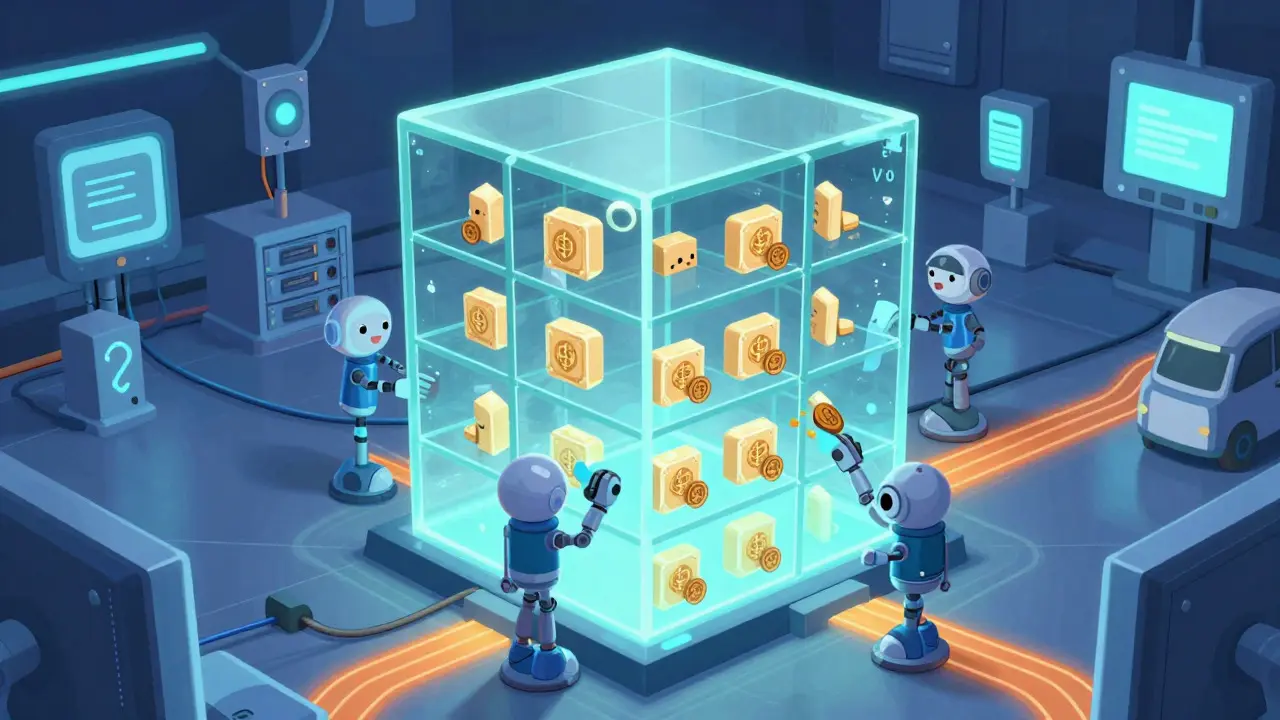
Traditional electrical grids face three big headaches: security risks, privacy concerns, and operational bottlenecks. When you connect millions of smart meters and electric vehicles to the internet, you create a massive target for cyberattacks. Blockchain solves this by creating an immutable audit trail. Once a transaction is recorded, it cannot be changed without consensus from the network. This means if a hacker tries to alter a bill or fake a renewable energy certificate, the system flags it instantly.
But the biggest win is decentralization. In a conventional setup, a utility company acts as the middleman for every trade. With blockchain, that middleman disappears. You can trade energy directly with another user. The Energy Web Foundation (EWF), based in Switzerland, has been leading this charge since 2017. They argue that using cryptographic identity and timestamps for each unit of energy creates a level of trust that spreadsheets simply cannot match.
Technical Specs: Speed vs. Security
You might wonder why we don't just use Bitcoin's public blockchain for electricity. The short answer is speed. Public blockchains are slow. Bitcoin handles about 7 transactions per second. Ethereum manages around 15-30. A modern smart grid needs to process thousands of data points every second to keep the lights on. If the network lags, the grid becomes unstable.
That is why most smart grid projects use permissioned blockchains. These are private networks where only approved nodes participate. Hyperledger Fabric is the dominant platform here, used in roughly 68% of documented projects. It can handle 100 to 500 transactions per second. Still, that is not enough for real-time control operations, which require millisecond responses. So, blockchain is currently best suited for billing, trading, and asset tracking, not for adjusting voltage in real-time.
| Platform | Type | Throughput (TPS) | Best Use Case |
|---|---|---|---|
| Bitcoin | Public | ~7 | Not suitable for grids |
| Ethereum | Public | 15-30 | Niche applications |
| Hyperledger Fabric | Permissioned | 100-500 | Utility-scale trading & tracking |
| Conventional SCADA | Centralized | 1,000+ | Real-time grid control |
Real-World Success Stories
Is this just theory? No. Look at the Brooklyn Microgrid project. Launched in 2016, it allowed households to trade solar power locally. The results were impressive: transaction accuracy hit 98.7%, compared to 89.3% in conventional systems. Settlement times dropped from days to under five minutes. Users loved seeing exactly where their power went, though some found the app interface a bit clunky.
In Europe, TenneT, a major German transmission operator, ran a pilot with Sonnen. They processed 1.2 million transactions with 99.2% settlement accuracy. Their team reported a 40% reduction in staff time spent on reconciliation. That is a huge saving for any utility company dealing with complex billing cycles.
Where Blockchain Falls Short
Let's be honest: it is not all sunshine. The main criticism comes from engineers who worry about latency. Dr. Jianying Zhou from Singapore University of Technology noted that the computational overhead makes blockchain impractical for real-time grid control. If you need to adjust frequency in milliseconds, a centralized system is faster. Blockchain adds 15-25ms of latency per transaction. In high-frequency scenarios, that delay can be problematic.
There is also the cost of integration. Upgrading existing infrastructure is expensive. One UK engineer shared that his utility spent £280,000 on blockchain integration, only to find their older smart meters couldn't handle the cryptographic signatures. Storage is another issue. A utility serving one million customers could generate 2.3 petabytes of data annually. That is a lot of hard drives to maintain.
Implementation Challenges and Costs
If you are considering deploying this tech, know that it takes time. Most projects run from 18 to 24 months from planning to live operation. You need a rare mix of skills: people who understand power systems engineering and people who can code in Go or Python. There are only about 1,200 certified Energy Web Developers globally. Finding them is tough.
Security is another hurdle. About 31% of pilot failures are linked to poor cryptographic key management. If you lose your keys, you lose access to your energy assets. Plus, smart contracts can have bugs. Audits by firms like ConsenSys Diligence have found vulnerabilities in over 20% of energy-related contracts. You need robust middleware and regular audits to stay safe.
The Future of Energy Trading
Despite the hurdles, the momentum is building. Global investment in blockchain for energy reached $1.34 billion in 2022. The EU's MiCA framework now provides clearer rules for these applications. By 2027, analysts predict blockchain will underpin 25% of distributed energy transactions. It won't replace the core grid control systems, but it will become the standard layer for trading, billing, and verifying renewable credits. For homeowners and small businesses, that means more control, lower costs, and greater transparency in how energy moves.
Can I sell my solar power directly to my neighbor?
Yes, in areas with transactive energy platforms like Brooklyn Microgrid. You need compatible smart meters and a connection to a blockchain-based marketplace. The transaction is automated via smart contracts, settling in minutes rather than weeks.
Is blockchain faster than traditional grid billing?
For settlement, yes. Traditional billing often takes 24-48 hours or longer for reconciliation. Blockchain can settle trades in under 5 minutes. However, for real-time grid adjustments, traditional SCADA systems are still faster due to lower latency.
What is the main barrier to widespread adoption?
Interoperability and cost. Many existing smart meters cannot handle the cryptographic requirements of blockchain. Additionally, finding developers with both power engineering and blockchain expertise is difficult and expensive.
Does blockchain eliminate double-counting of renewable certificates?
Yes. Because the ledger is immutable, once a renewable energy certificate (REC) is sold or retired, it is marked as such permanently. This prevents the same certificate from being claimed by multiple parties, a problem that affected 12.7% of transactions in traditional systems.
Which platform is best for smart grid blockchain?
Hyperledger Fabric is currently the industry leader for permissioned smart grid networks due to its speed and flexibility. It is used in the majority of documented commercial pilots. Public chains like Ethereum are generally too slow for utility-scale operations.