Blockchain Voting: How Decentralized Governance Really Works
When you hear blockchain voting, a system where decisions are made by token holders on a public ledger instead of a boardroom. Also known as on-chain voting, it’s meant to remove middlemen and give power directly to users. But in practice, it’s not magic. It’s messy, vulnerable, and often controlled by a few big wallets. The idea sounds fair: one token, one vote. But if 1% of holders own 80% of the supply, you’re not getting democracy—you’re getting oligarchy.
That’s why Sybil attacks, when one person creates hundreds of fake identities to swing votes. Also known as fake account manipulation, it’s one of the biggest threats to blockchain voting. Projects like DAOs use things like Proof of Stake, a consensus method where voting power is tied to how much crypto you hold and lock up. Also known as staking-based governance to make attacks expensive. But even then, if you can borrow tokens or rent voting power, the system breaks. Real solutions? Some projects now use quadratic voting, where each additional vote costs more, or require identity verification without revealing personal data.
And it’s not just about voting mechanics. The real question is: who’s actually participating? In most DAOs, fewer than 5% of token holders ever vote. The rest are passive. That’s why some systems now tie voting rights to active participation—like staking, contributing code, or attending meetings. Others, like the ones behind decentralized governance, the broader system where communities control protocol upgrades, treasury spending, and rules through voting, are testing reputation-based models instead of pure token weight. The goal? To reward contribution, not just ownership.
You’ll find posts here that show how this plays out in the wild—from airdrops that gave voting rights to early users, to games that turned governance into a mechanic, to scams that pretended to offer voting power while stealing funds. Some systems work. Most don’t. But the experiments are happening. And if you’re trying to understand where crypto is headed, you need to understand how decisions are made—not just how money moves.
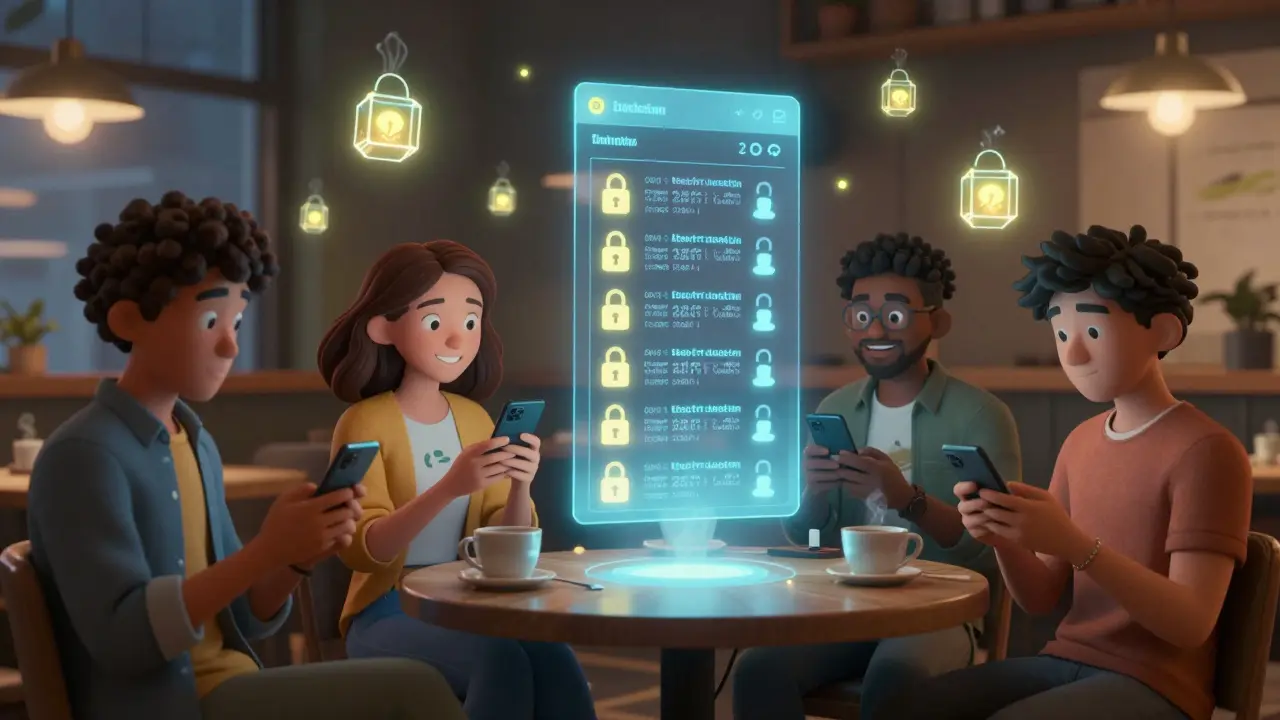
Future of Blockchain Electoral Systems: Can Blockchain Really Secure Voting?
Blockchain voting promises secure, transparent elections - but real-world tests show mixed results. Learn how it works, where it’s being used, and why paper backups are still essential.