Coin-Age PoS: How Staking Time Affects Rewards in Proof-of-Stake Networks
When you stake crypto in a coin-age PoS, a reward mechanism that gives higher returns based on how long you’ve held your coins. Also known as stake-weighted aging, it’s a way for blockchains to reward long-term holders without requiring massive upfront investments. Unlike simple proof-of-stake where everyone gets the same rate, coin-age PoS adds a time multiplier—your rewards grow the longer you lock up your coins. Think of it like interest compounding, but instead of banks, the blockchain itself pays you for patience.
This system was designed to discourage short-term speculation and keep coins circulating in the network. Projects like Peercoin, BlackCoin, and early versions of Decred used it to promote network stability. It also helps prevent centralization—you can’t just buy up all the coins and dominate the network overnight. The longer you hold, the more you earn, which naturally encourages people to keep their coins locked. But coin-age PoS isn’t just about rewards. It’s tied to proof-of-stake, a consensus method where validators are chosen based on how much crypto they hold and are willing to lock up. Also known as PoS blockchain, it’s the backbone of Ethereum 2.0, Solana, and Cardano. The difference? Most modern PoS chains dropped coin-age in favor of flat rates or random selection to simplify things. Coin-age PoS adds complexity: if you sell your coins, your accumulated age resets. If you move them between wallets, some systems don’t track it properly. That’s why you’ll rarely see it in big networks today—it’s harder to implement cleanly.
But coin-age PoS still shows up in niche projects, especially those focused on long-term incentives. If you’re staking on a smaller chain, check if your rewards scale over time. Some wallets even show your current coin-age, letting you plan when to claim or move funds. And if you’re comparing staking options, don’t just look at the APY. Ask: does this chain use coin-age? Is my reward tied to holding time? Because if it is, you might earn more by waiting than by chasing the highest headline rate.
What you’ll find in the posts below are real examples of how coin-age PoS played out in practice—or didn’t. From airdrops that rewarded long-term holders, to tokens that faded because their staking model didn’t hold up, these stories show what works and what doesn’t when time becomes part of the reward system.
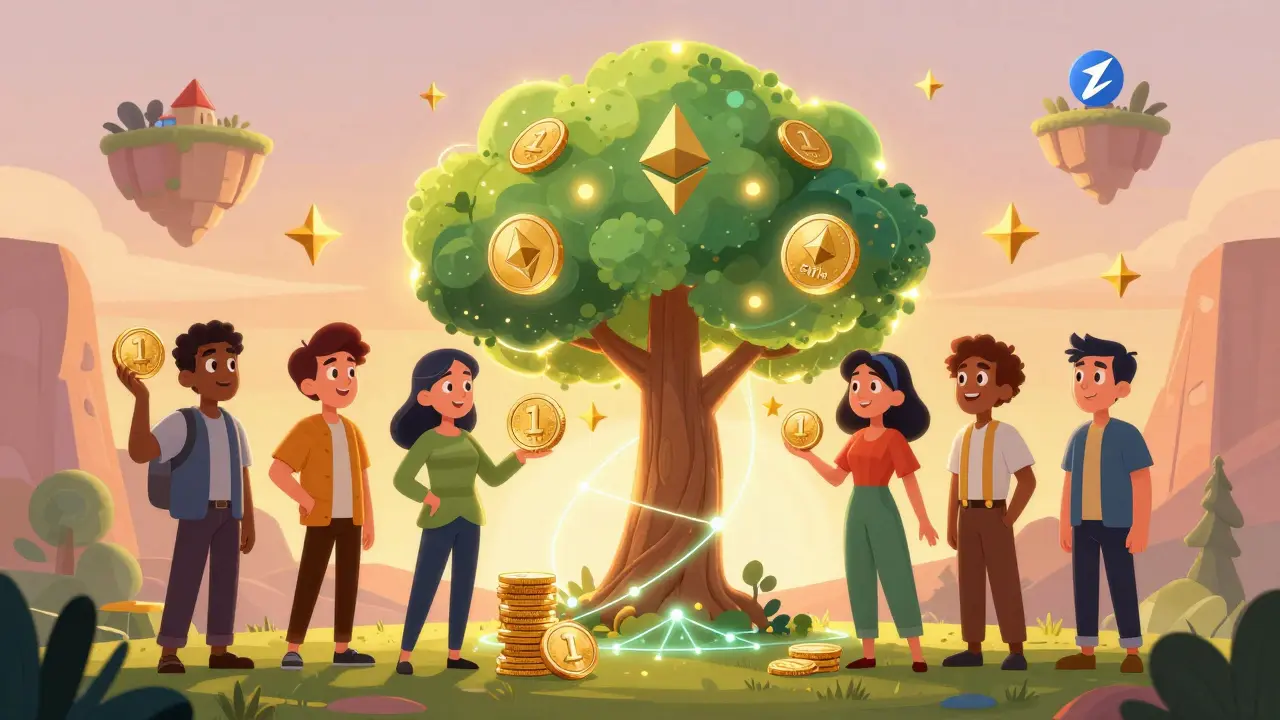
Different Variations of Proof of Stake Explained
Proof of Stake powers most major blockchains today, but not all versions are the same. This guide breaks down the key variations-coin-age, staking pools, effective balance, and more-so you know how they impact security, rewards, and decentralization.