Crypto Exchange Risks: What No One Tells You Before You Trade
When you use a crypto exchange, a platform where you buy, sell, or trade digital assets like Bitcoin or Ethereum. Also known as cryptocurrency trading platform, it’s supposed to be your gateway to the blockchain economy—but too often, it’s your biggest vulnerability. Most people think the risk is just price swings. They’re wrong. The real danger isn’t Bitcoin dropping 20%. It’s the exchange you’re trading on vanishing with your funds.
Unregulated crypto exchanges, platforms operating without official oversight or licensing. Also known as offshore exchanges, they’re everywhere—and they’re the main source of crypto exchange scams. Look at CoinCasso: once advertised as Estonian-licensed, it vanished in 2025 with users’ money. Or WBF Exchange, flagged for fake trading volume and withdrawal delays. These aren’t rare cases. They’re the norm. Even platforms that look professional can be fronts for wash trading, insider manipulation, or outright theft. If an exchange doesn’t publish regular audits, doesn’t list its legal jurisdiction, or avoids mentioning regulatory status, treat it like a black box—you don’t know what’s inside until it explodes.
Then there’s the hidden trap: withdrawal problems, when you can’t get your coins out even after requesting a transfer. Also known as funds lock-up, this happens more than you think. Some exchanges delay withdrawals for "security reviews"—for weeks, sometimes months. Others freeze accounts after you hit a certain profit level. And if you’re using leverage? One bad trade can trigger a liquidation you didn’t see coming, even if the market barely moved. The SEC fined over $4.9 billion in 2024, mostly targeting exchanges that hid risks from users. That’s not regulation. That’s damage control after the fact.
And don’t assume being "regulated" means you’re safe. A crypto regulation badge like VARA in Dubai or FCA in the UK sounds reassuring—but it doesn’t guarantee your money is protected. Those licenses cover business operations, not customer asset security. Many regulated exchanges still hold funds in hot wallets, meaning if they get hacked, you lose everything. Real protection? Cold storage, insurance, and full transparency. Most exchanges won’t give you any of those.
What you’re seeing in the posts below isn’t a list of reviews. It’s a collection of real failures, hidden dangers, and regulatory wake-up calls. From Nigeria’s underground P2P networks to Russia’s military-run mining, from Dubai’s $5M capital rules to Iran’s energy-draining unlicensed operations—this isn’t theory. These are the systems where real people lost everything. Some exchanges are outright scams. Others are just dangerously careless. A few are trying to do things right, but even they’re playing by rules written by regulators who are always one step behind. You don’t need more tips on how to trade. You need to know which platforms to avoid before you even sign up.
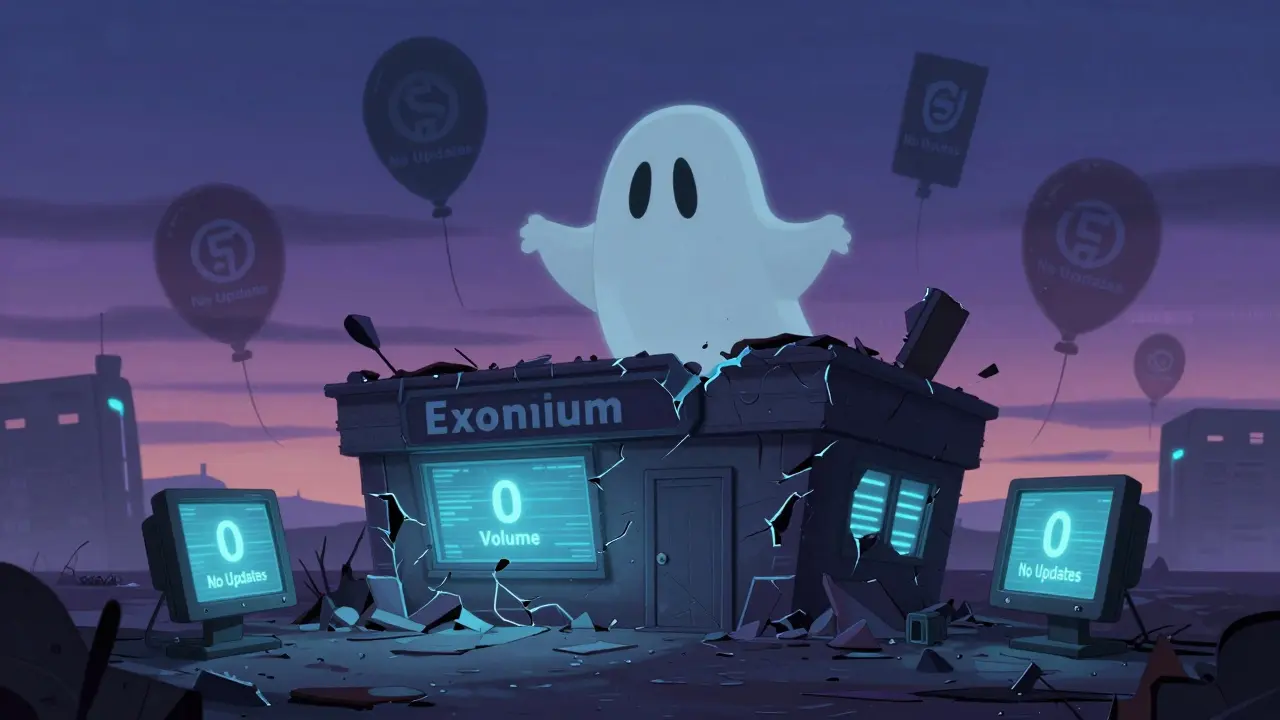
Exonium Crypto Exchange Review: Why This Platform Is Unusable and Untrustworthy
Exonium crypto exchange has no verified trading volume, no user reviews, no app, and no transparency. It's not just risky - it's inactive. Avoid this untracked platform entirely.

Hotbit Crypto Exchange Review: What Happened and Why You Should Avoid It
Hotbit crypto exchange shut down in 2023 after being frozen by law enforcement. With no regulation, $30 withdrawal fees, and no customer support, users lost funds. Recovery services are scams. Avoid unregulated exchanges.