Decentralized Storage: How Blockchain Is Changing How We Save Data
When you upload a file to Google Drive or Dropbox, you’re not really owning it—you’re renting space on someone else’s server. Decentralized storage, a system that spreads data across thousands of independent computers instead of centralized servers. Also known as peer-to-peer file storage, it removes middlemen, cuts costs, and makes data nearly impossible to censor or delete without your permission. This isn’t theory. It’s already happening. Platforms like IPFS, a protocol that lets files be stored and shared across a distributed network and Filecoin, a blockchain-based marketplace where users earn crypto for lending unused hard drive space are turning this idea into real infrastructure. Unlike traditional cloud services, where one company controls access and can shut you down, decentralized storage gives you control over who sees your data and how it’s backed up.
Why does this matter? Because centralized systems are fragile. One server failure, one government order, or one corporate decision can erase your photos, documents, or even entire websites. In 2021, Cloudflare took down a popular archive site after a legal threat—something that can’t happen with decentralized storage. Your files are broken into pieces, encrypted, and scattered across nodes in different countries. Even if half the nodes go offline, your data stays intact. This isn’t just for techies. It’s for anyone who values privacy, wants to avoid censorship, or is tired of paying monthly fees for storage that isn’t truly theirs. Countries like Iran and Venezuela, where governments control internet access, are seeing grassroots adoption of these tools. Meanwhile, developers are building apps on top of them—like decentralized versions of Dropbox, YouTube, and even social media—where no single entity owns the platform.
What you’ll find in this collection aren’t just explanations. You’ll see real cases: how unlicensed crypto mining in Iran drains power grids, how offshore crypto accounts get traced through blockchain data, and how projects like Filecoin and IPFS are quietly reshaping how we think about ownership. Some posts show you the scams—fake storage platforms pretending to be decentralized. Others reveal the tools actual users rely on. There’s no hype here. Just facts about what’s working, what’s broken, and who’s really in control of your data today.
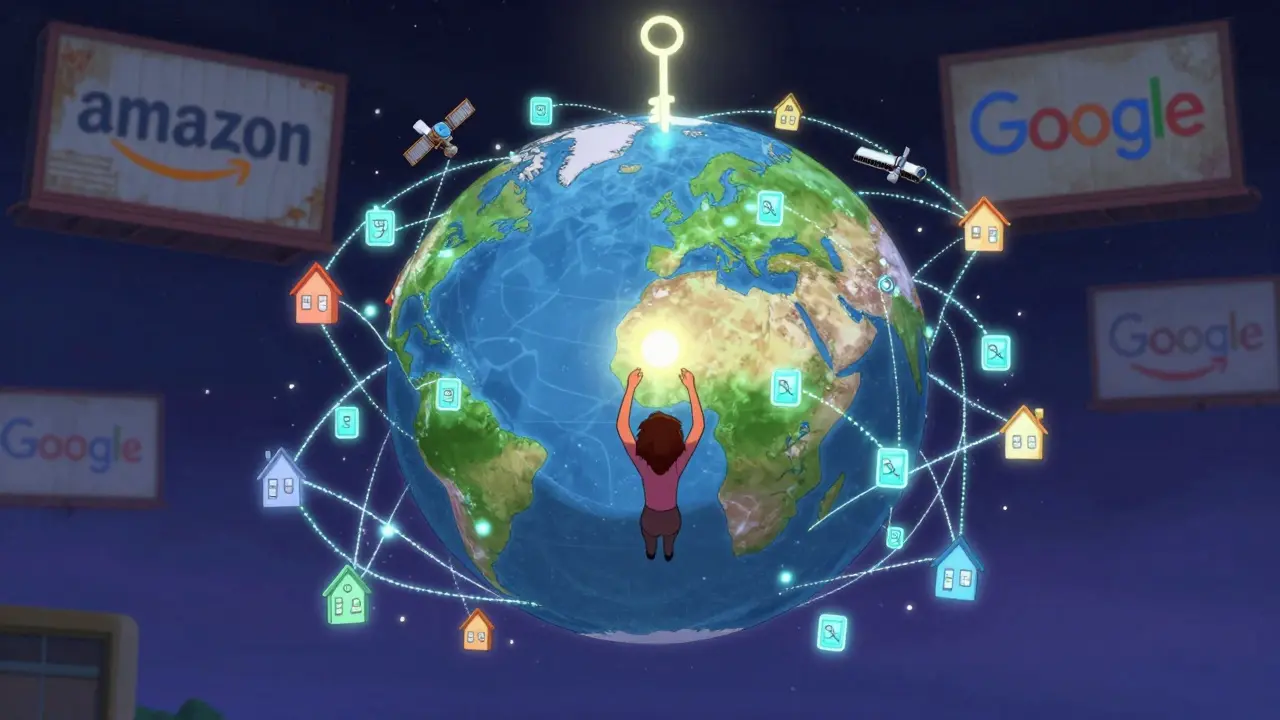
Future of Blockchain Storage: Trends, Challenges, and Real-World Adoption by 2025
By 2025, blockchain storage is moving from theory to real-world use in healthcare, finance, and government. It's cheaper, more secure, and immune to single-point failures-but slower and harder to use. Here's what you need to know.
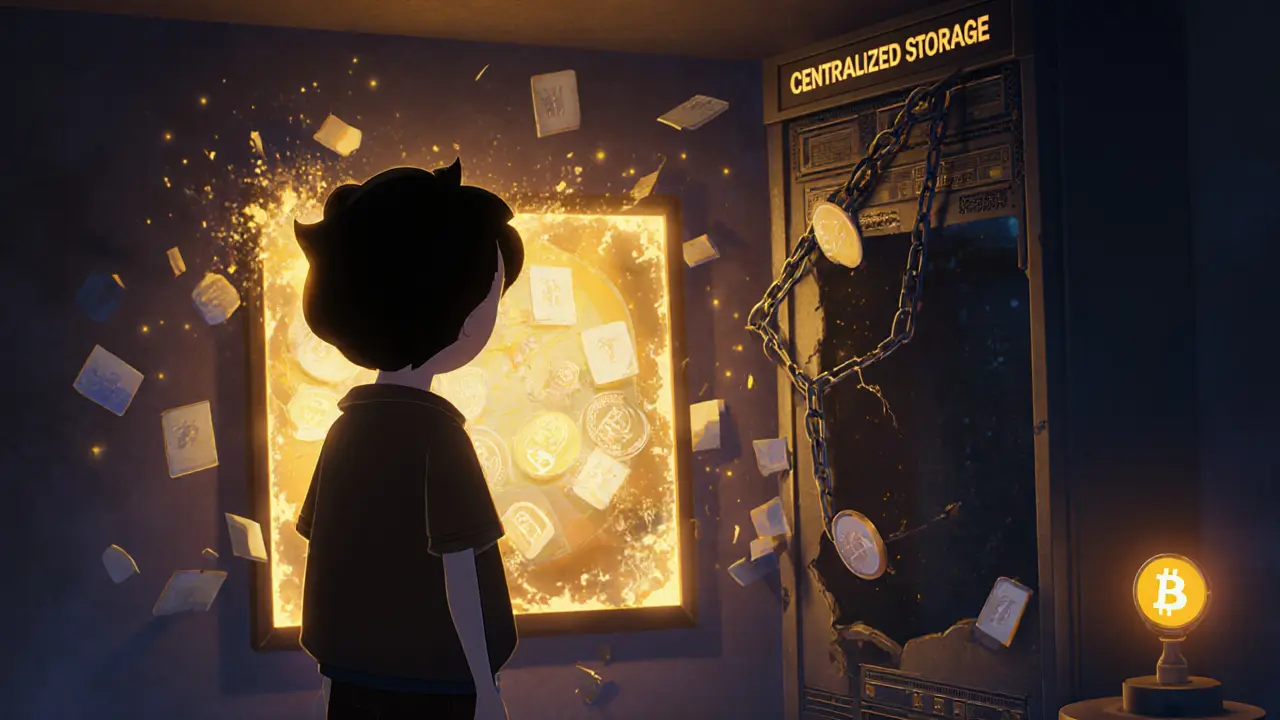
IPFS vs Centralized NFT Storage: Which One Actually Keeps Your Digital Art Safe?
Most NFTs rely on centralized storage that can vanish overnight. IPFS offers a decentralized alternative, but many projects still use centralized services pretending to be decentralized. True permanence requires Arweave, Filecoin, or self-hosted pinning.