e-voting in crypto: How blockchain is changing digital democracy
When you think of e-voting, a system that lets people cast votes digitally using blockchain technology to ensure transparency and prevent fraud. Also known as blockchain voting, it promises to fix broken election systems by making every ballot public, unchangeable, and verifiable by anyone. But in practice, most e-voting projects either never launched, got hacked, or turned into scams. The idea sounds perfect: no more lost ballots, no more voter suppression, no more centralized control. But real-world tests—like those in West Virginia, Estonia, or crypto DAOs—show how easily trust can collapse when the tech isn’t paired with real accountability.
Blockchain voting relies on three things: identity verification, tamper-proof records, and public audit trails. But getting all three right is hard. If you use a wallet to vote, who checks if you’re really who you say you are? If you use a government ID linked to a crypto address, you lose anonymity. If you go fully anonymous, you open the door to Sybil attacks—where one person controls hundreds of fake identities to swing votes. That’s exactly what happened in early DAO governance votes. Projects like Decentralized Autonomous Organizations, community-run groups that make decisions through token-weighted voting learned this the hard way. In 2021, a single wallet with 15% of voting tokens could override 10,000 small holders. That’s not democracy. That’s plutocracy with a blockchain logo.
Some projects tried to fix this with quadratic voting, reputation systems, or proof-of-humanity checks. But most failed because they ignored the human side. Voting isn’t just about tech—it’s about access, education, and trust. If your voters don’t understand how to use a wallet, or if they’re scared of losing funds to gas fees, they won’t vote. And if they see a voting system that’s slow, expensive, or full of glitches, they’ll assume it’s rigged. That’s why the most successful crypto voting systems aren’t on public chains—they’re inside closed ecosystems like DAO treasuries, funds managed by token holders who vote on how to spend money, where participation is low but trust is high because everyone knows each other. The real lesson? Blockchain doesn’t make bad systems good. It just makes bad systems harder to hide.
What you’ll find in the posts below aren’t grand promises about digital democracy. They’re real stories—of airdrops that turned into voting tokens, of exchanges that tried to let users vote on listings, of GameFi projects that used token weight to decide in-game rules. Some worked. Most didn’t. And every one of them left behind clues about what actually matters: not the blockchain, but the people behind it.
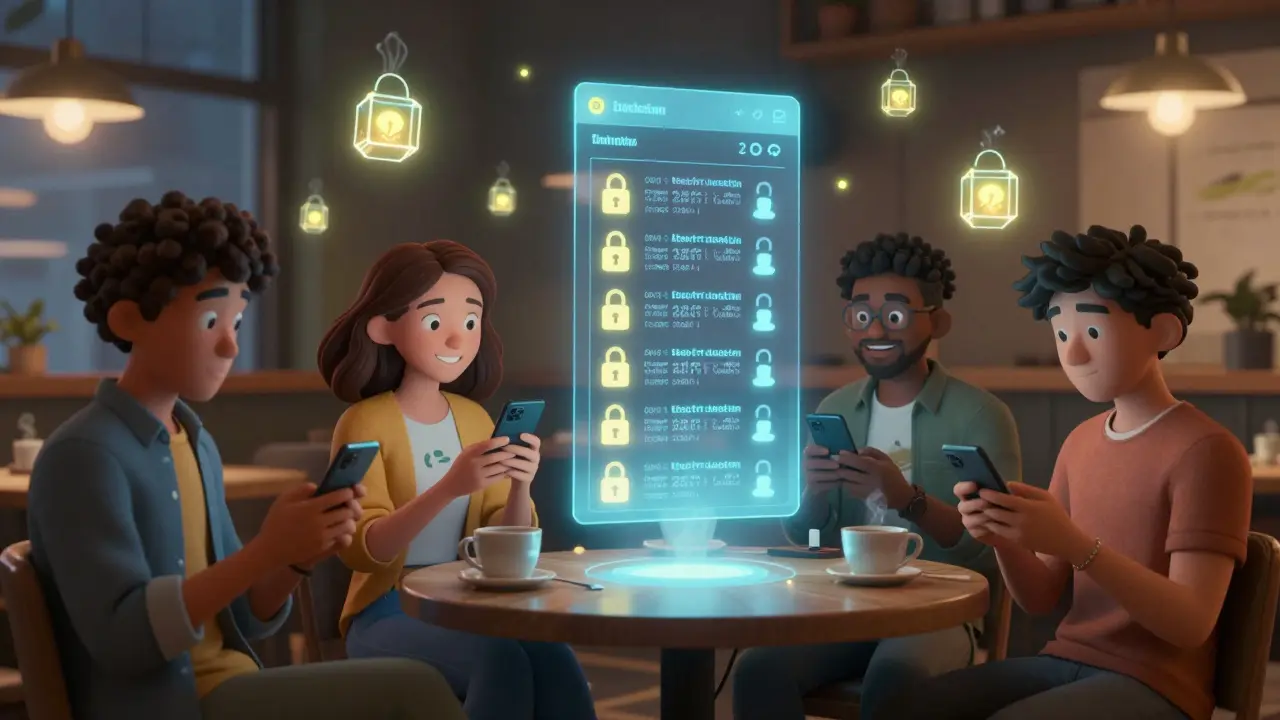
Future of Blockchain Electoral Systems: Can Blockchain Really Secure Voting?
Blockchain voting promises secure, transparent elections - but real-world tests show mixed results. Learn how it works, where it’s being used, and why paper backups are still essential.