Electoral Blockchain: How Voting Goes Digital and Why It Matters
When you think of electoral blockchain, a system that uses distributed ledger technology to record and verify votes in real time. Also known as blockchain voting, it promises to fix broken elections by making them unhackable, public, and verifiable by anyone. But here’s the truth: no country runs a full national election on blockchain yet. Not because it’s impossible, but because the real challenges aren’t technical—they’re political, legal, and human.
Blockchain voting isn’t just about casting a ballot on your phone. It’s about proving that your vote was counted exactly as you intended, without any middleman. That’s why it’s tied to election integrity, the trust that every vote is legitimate and no one can manipulate the outcome. In places like West Virginia and Estonia, pilots tested blockchain for overseas voters. West Virginia’s 2018 pilot let military personnel vote via app—but critics pointed out the lack of independent audits. Estonia’s system, running since 2014, lets citizens vote online, but it still relies on centralized identity systems, not pure decentralization. So while the tech looks promising, the real test is whether it can survive scrutiny from hackers, watchdogs, and ordinary voters who don’t trust code over paper.
What makes decentralized voting, a model where no single entity controls the vote tally so appealing? It removes the need for election commissions to be the sole arbiters of truth. Instead, every vote is a transaction on a public chain—visible, timestamped, and immutable. But here’s the catch: anonymity and verifiability don’t play well together. If you can prove your vote was counted, you can also prove who you voted for. That’s a privacy nightmare. Some projects try to solve this with zero-knowledge proofs, but those are complex, slow, and rarely tested at scale. Meanwhile, digital voting, any system that lets people vote using devices instead of paper is already here—on apps, websites, and kiosks—but most are centralized, vulnerable, and hidden behind closed doors. That’s why most experts still say: if you can’t audit it, don’t trust it.
The posts below show you what’s real, what’s hype, and what’s outright scam. You’ll find deep dives into failed blockchain voting pilots, how election fraud is detected on-chain, why some governments fear this tech, and what’s actually being built in the shadows. No theory. No fluff. Just what happened, who got caught, and what’s still worth watching.
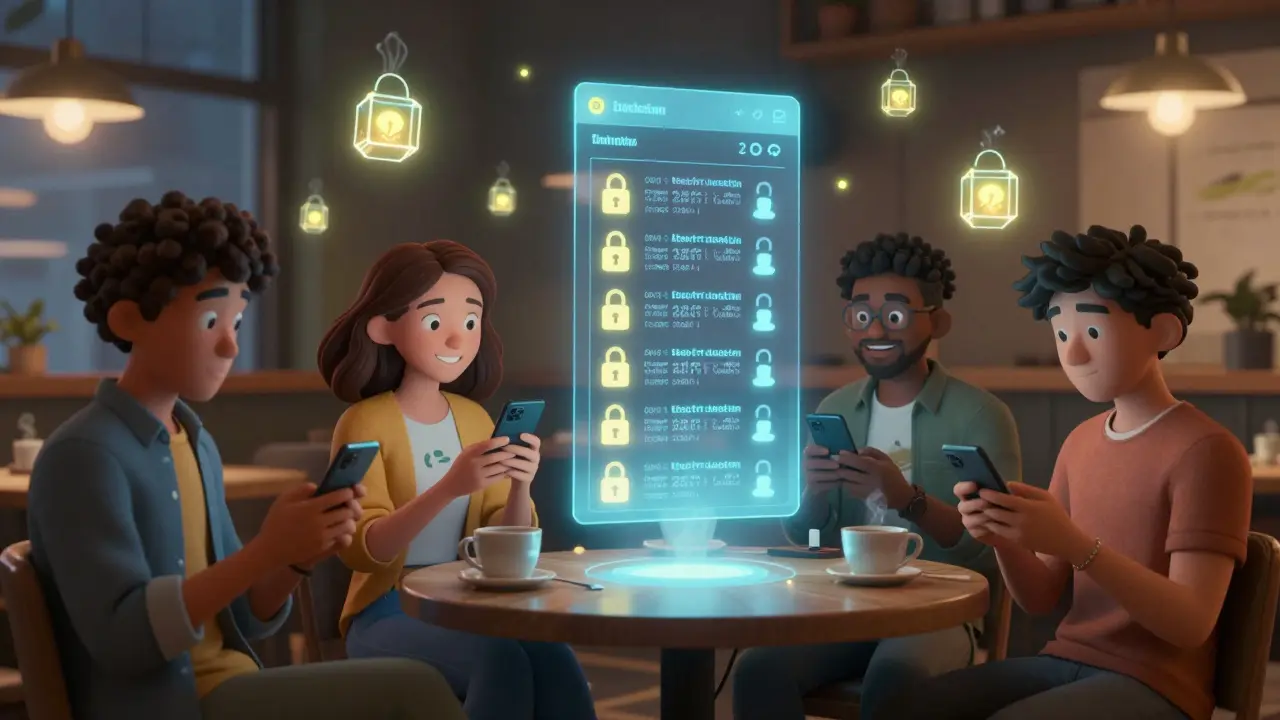
Future of Blockchain Electoral Systems: Can Blockchain Really Secure Voting?
Blockchain voting promises secure, transparent elections - but real-world tests show mixed results. Learn how it works, where it’s being used, and why paper backups are still essential.