Fake Crypto Exchange: How to Spot Scams and Avoid Losing Your Money
When you hear about a new fake crypto exchange, a platform that pretends to let you trade cryptocurrencies but is designed to steal your funds. Also known as deceptive crypto platform, it often looks professional, uses fake testimonials, and promises unreal returns—until your money vanishes. These aren’t just risky—they’re designed to trap beginners who don’t know what to look for.
A crypto scam, a deliberate deception to trick users into sending crypto or personal data. Also known as fraudulent exchange, it doesn’t need to be complex. Many just copy the design of real sites like Binance or Kraken, change the domain slightly, and run ads on Telegram or TikTok. Others create fake support teams that chat with you for days to build trust—then disappear after you send your first deposit. The crypto exchange red flags, warning signs that a platform is not legitimate. Also known as deceptive crypto platform, include no clear company address, no licensing info, no real team names, and zero transparency about security audits. If a site says it’s "regulated" but won’t show the regulator’s name or license number, it’s a lie. If the domain looks like "binance-support[.]xyz" instead of "binance.com", it’s a trap.
Real exchanges publish their security practices. They list their audits, have public wallet addresses for deposits, and allow you to verify their team members on LinkedIn. Fake ones don’t. They rely on urgency: "Limited time offer!" "Only 10 spots left!" "Your account will be frozen!" They want you to act before you think. The fraudulent exchange, a platform created to steal crypto through deception. Also known as fake crypto exchange, often uses fake trading volume numbers and bot-generated charts to look active. Check CoinGecko or CoinMarketCap—real platforms are listed there. If it’s not, and you’re being told to "trust us," you shouldn’t. Look at the posts below. You’ll see real examples: MiaSwap v2, GCOX, Barginex, and others that looked real but had no users, no updates, and no future. These aren’t theories—they’re documented cases. You’ll learn how to check a site’s history, find hidden ownership, spot fake reviews, and avoid the most common traps. This isn’t about being paranoid. It’s about staying alive in a space full of predators. The next scam might look exactly like the one you just trusted. Don’t let it happen again.
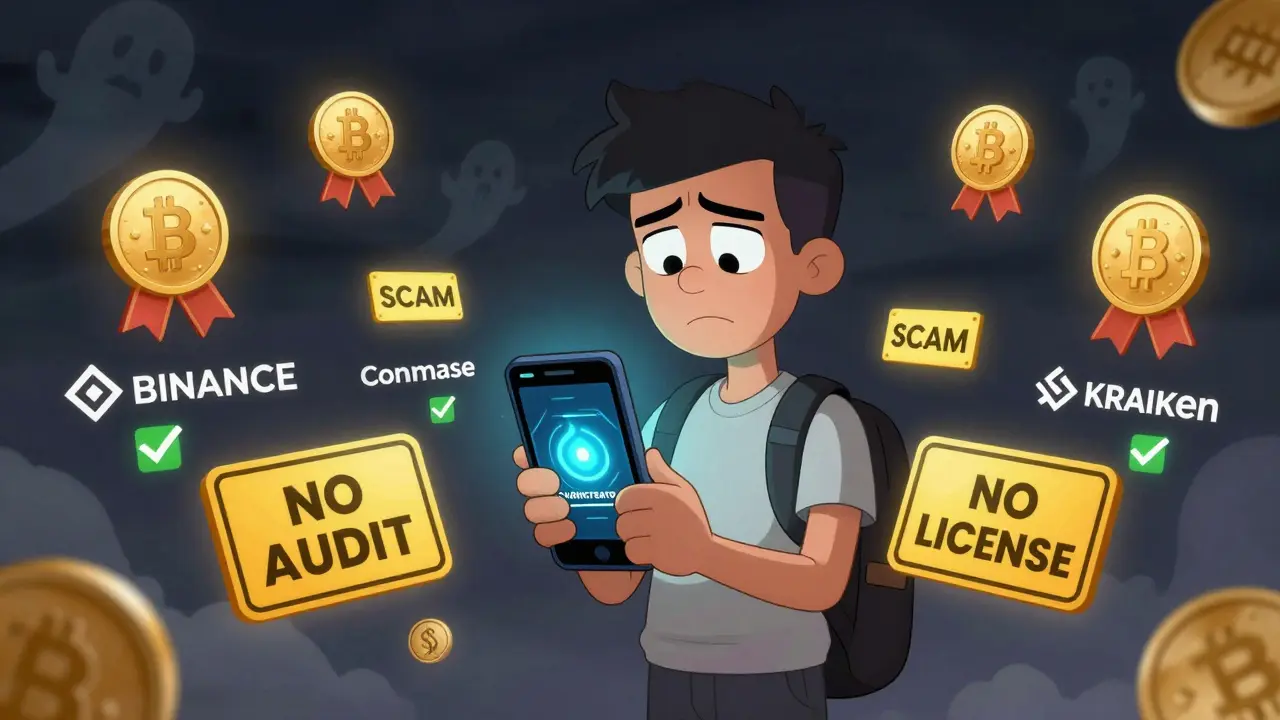
CHAINCREATOR Crypto Exchange Review: Does This Platform Even Exist?
CHAINCREATOR is not a real crypto exchange. No credible reviews, audits, or regulatory filings exist for it. Learn why it's a scam and which trusted platforms to use instead in 2026.
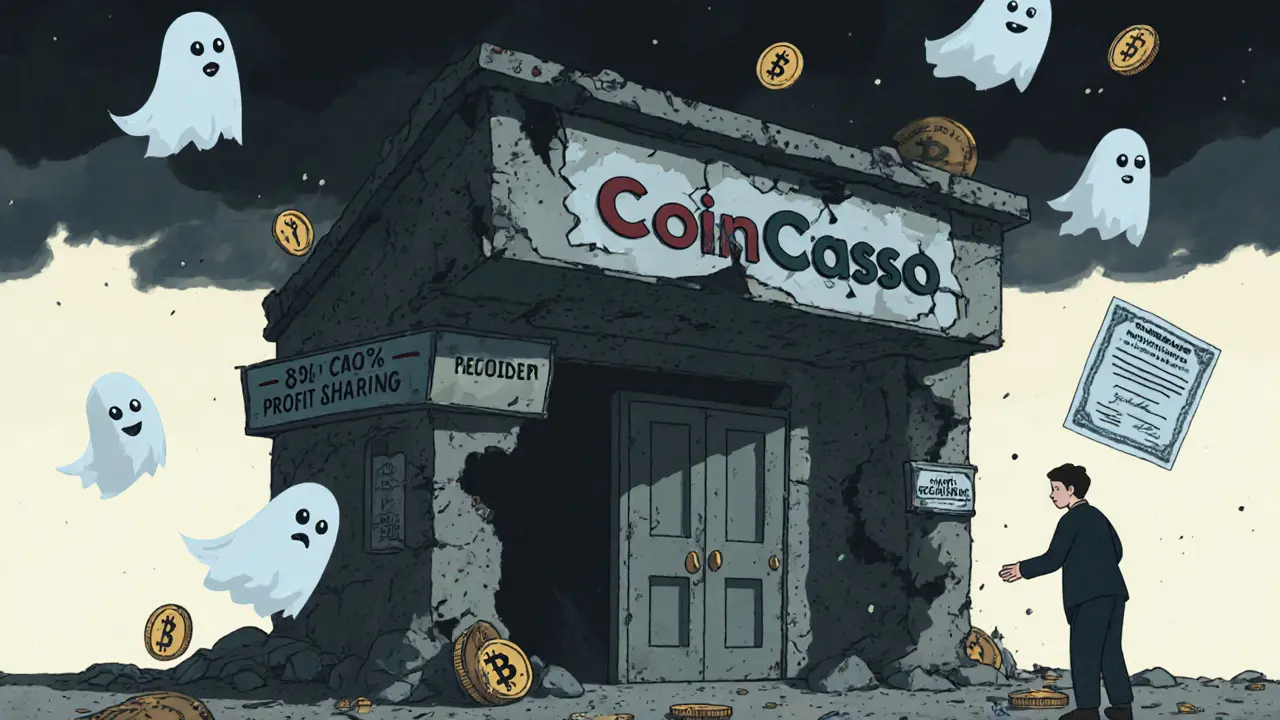
CoinCasso Crypto Exchange Review: Why This Platform Is Dead and Avoided by Experts
CoinCasso crypto exchange is a defunct and confirmed scam. Once claiming Estonian licenses and profit-sharing, it vanished in 2025 with users' funds. Learn why experts warn against it and what safe alternatives to use instead.

IslandSwap Crypto Exchange Review: Red Flags and Why It’s Not Legitimate
IslandSwap crypto exchange is not a legitimate platform. No reputable sources mention it, it has no regulatory status, no user reviews, and matches the pattern of 2025 crypto scams. Avoid it at all costs.