Foodverse: What It Is and Why It Matters in Crypto and DeFi
When people talk about the Foodverse, a digital ecosystem where food culture, gaming, and blockchain intersect to create play-to-earn experiences around real-world eating habits. Also known as culinary metaverse, it's not just virtual restaurants or NFT sushi—it’s about turning daily food rituals into on-chain assets that hold value, reward participation, and connect communities. Think of it as the bridge between what you eat and what you own in crypto. While most metaverses focus on virtual land or avatars, the Foodverse is grounded in something universal: hunger. People everywhere eat. That’s why projects are now building games where cooking a virtual meal earns you tokens, or where NFT recipes unlock real discounts at partner cafes.
The GameFi, a fusion of gaming and decentralized finance that rewards players with crypto for playing. Also known as play-to-earn gaming, it’s the engine behind the Foodverse. You don’t just play a game—you farm ingredients, trade spice NFTs, or stake your virtual kitchen to earn rewards. This isn’t theory. Look at projects like DeFi Kingdoms Crystalvale, where players learn DeFi mechanics by managing in-game farms and exchanges. The Foodverse takes that further by tying gameplay to real food economies. A player in Vietnam might earn tokens by completing a quest to "cook pho" in the game, then use those tokens to get a discount at a local eatery that accepts crypto. That’s the real hook.
And it’s not just games. The DeFi integration, the use of decentralized finance tools like liquidity pools, staking, and yield farming within non-traditional sectors like food and agriculture. Also known as food DeFi, it’s turning food supply chains into financial instruments is starting to show up too. Imagine farmers tokenizing their harvests as NFTs, then using them as collateral to borrow stablecoins before harvest season. Or restaurants issuing loyalty tokens that pay yield to holders. These aren’t hypotheticals—they’re being tested in places like Malta and Dubai, where crypto-friendly regulations allow real-world experiments. Even if you’ve never heard of the Foodverse, you’ve likely interacted with its cousins: airdrops for buying coffee, NFT meal vouchers, or blockchain-based food traceability apps.
What you’ll find in the posts below isn’t hype. It’s the real stuff: how GameFi projects are using food themes to attract users, how DeFi tools are being repurposed for culinary economies, and which crypto platforms are quietly building the infrastructure for this shift. Some posts cover airdrops tied to food-themed games. Others dig into why blockchain-based food tracking matters. A few warn about scams pretending to be Foodverse projects. This isn’t about fantasy meals or pixelated burgers. It’s about how something as simple as eating is becoming a new frontier for crypto innovation—and you don’t need to be a developer to get involved.
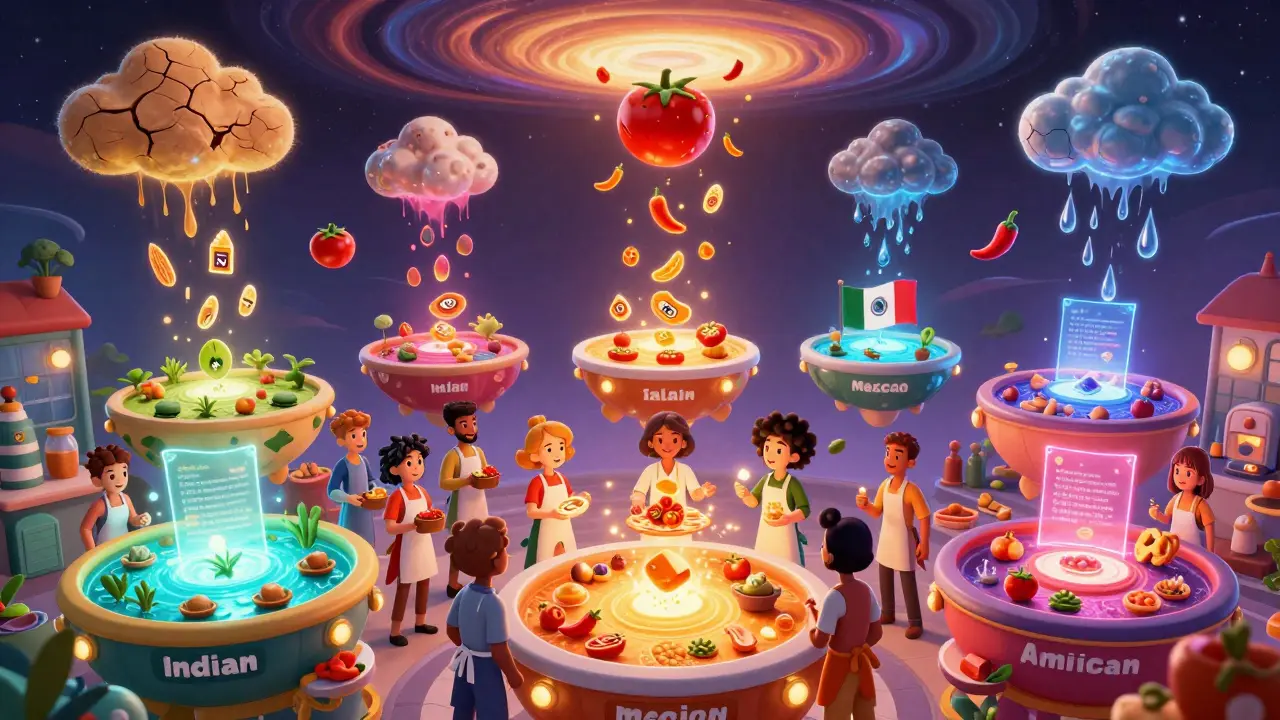
OneRare Ingredient NFTs: How to Get Them in the Foodverse (No Airdrop, Here’s How It Actually Works)
OneRare doesn't do airdrops. Get Ingredient NFTs by staking ORARE in the Foodverse, farm global cuisines, cook dishes, and trade with real chefs. No free NFTs - just real food culture on blockchain.