Ingredient NFT: What They Are, Why They Matter, and Where to Find Them
When you hear Ingredient NFT, a type of non-fungible token designed to be used as a functional component within a digital system, like a game or DeFi protocol. Also known as utility NFT, it doesn’t just sit in your wallet—it gets consumed, combined, or upgraded to unlock something else. Unlike profile picture NFTs or art collectibles, Ingredient NFTs are built for action. They’re the fuel, the raw material, the key component that makes other things work. Think of them like ingredients in a recipe: you don’t eat the spice by itself—you use it to make the dish.
These tokens are everywhere in GameFi, blockchain-based games that blend gameplay with financial incentives. Also known as play-to-earn gaming, this space relies on Ingredient NFTs to power upgrades, character skins, or crafting systems. In DeFi Kingdoms Crystalvale, for example, players use NFTs as ingredients to forge new items or boost rewards. In Corra.Finance’s CORA airdrop, NFTs were used as eligibility keys to claim tokens. Even in complex systems like Sybil-resistant DAOs, Ingredient NFTs can act as identity tokens that prevent bots from gaming the system. They’re not flashy, but they’re essential.
What makes Ingredient NFTs different is their tokenomics, the economic structure behind a token, including supply, distribution, and usage rules. Also known as token design, it determines whether an NFT stays valuable because it’s rare—or because it’s constantly needed. If an Ingredient NFT has no real use after you get it, it’s just digital clutter. But if it’s required to access new features, earn rewards, or trade in a live ecosystem, it holds real weight. That’s why projects like BLOCKLORDS and Faraland built their entire economies around these tokens—they’re not collectibles, they’re tools.
You won’t find Ingredient NFTs in mainstream marketplaces like OpenSea unless you know where to look. They live inside apps, games, and protocols. You need to be inside the system to use them. That’s why most people miss them—they’re not meant for speculation. They’re meant for doing. And that’s why the best ones survive. If the game shuts down, the NFT dies. If the DeFi protocol evolves, the NFT adapts. Their value isn’t in how much they cost—it’s in what they let you do.
Some of the posts below show how Ingredient NFTs are already shaping real-world crypto experiences—from in-game economies to airdrop mechanics. Others reveal what happens when these tokens are poorly designed or abandoned. You’ll see how they’re used in actual projects, not just hype. Whether you’re playing a blockchain game, chasing airdrops, or just trying to understand what’s behind the buzz, these examples will show you the real mechanics at work.
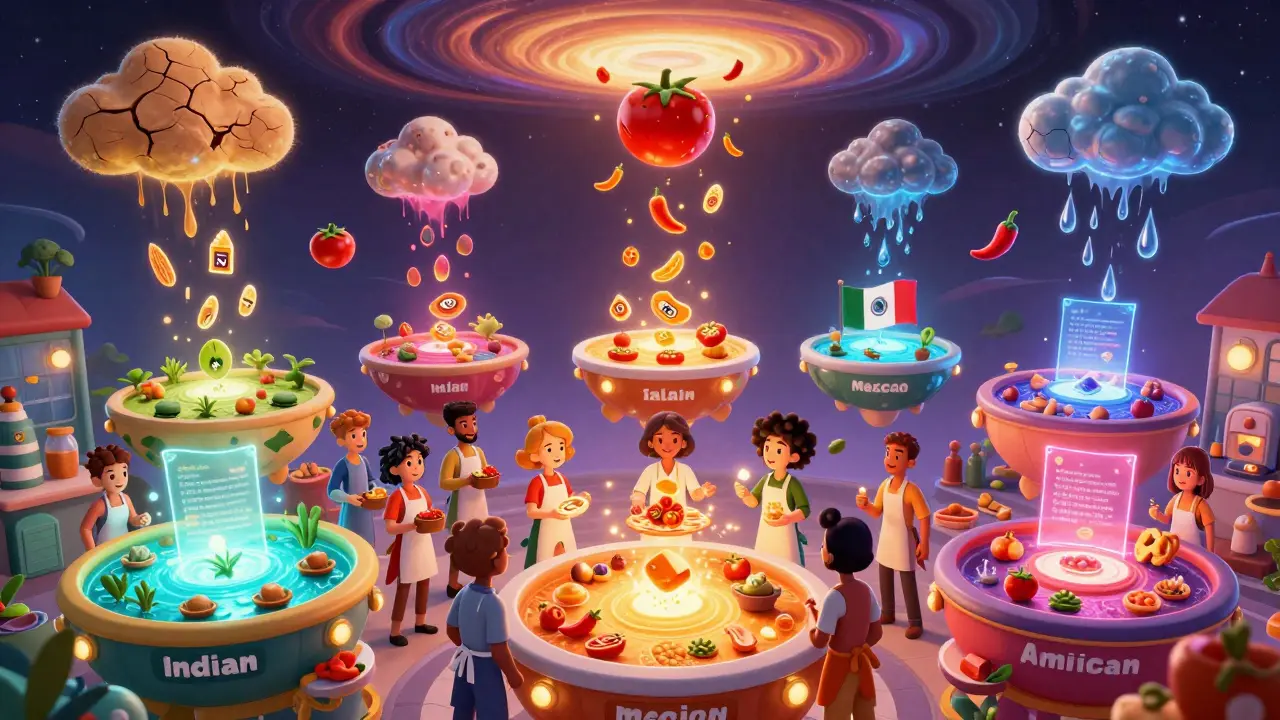
OneRare Ingredient NFTs: How to Get Them in the Foodverse (No Airdrop, Here’s How It Actually Works)
OneRare doesn't do airdrops. Get Ingredient NFTs by staking ORARE in the Foodverse, farm global cuisines, cook dishes, and trade with real chefs. No free NFTs - just real food culture on blockchain.