Liquidity Mining: How It Works and Where to Find Real Opportunities
When you hear liquidity mining, a way to earn crypto by providing trading pairs to decentralized exchanges. Also known as yield farming, it’s not magic—it’s just getting paid to let others use your tokens to keep markets running. Think of it like renting out your car for rideshare apps, but instead of a car, you’re lending crypto to a smart contract on a DEX like Sifchain or Polkadex.
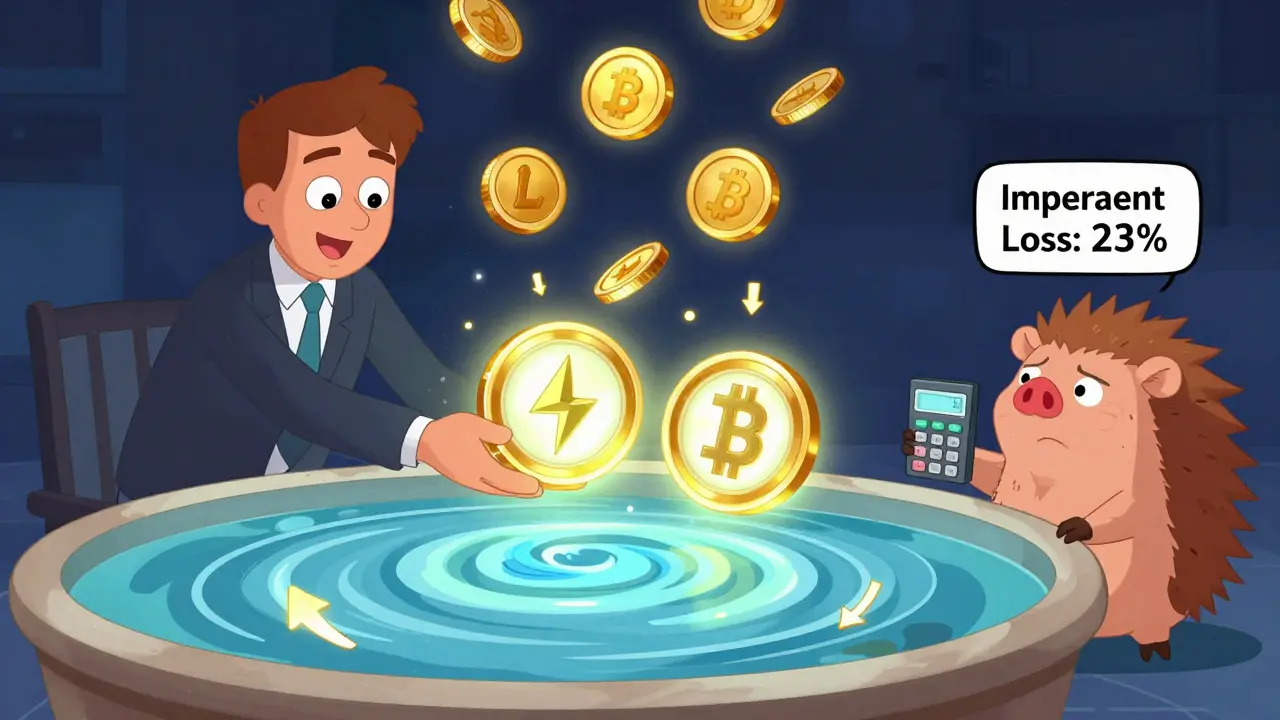
Liquidity mining requires you to deposit two tokens—usually a stablecoin like USDT paired with a project’s native token—into a pool. In return, you get rewards, often in the form of new tokens or trading fees. But here’s the catch: it’s not free money. If the price of either token drops sharply, you can lose more than you earn from rewards. That’s called impermanent loss, and it’s why many beginners walk away with less than they started. Projects like Sifchain and Polkadex rely on this system to attract users, but thin liquidity means your rewards might be small or your tokens hard to sell.
Some of the posts here show how liquidity mining connects to real-world outcomes. For example, Sifchain’s omni-chain DEX needs deep liquidity to work across 20+ blockchains, but its low volume makes rewards risky. Polkadex tries to fix slippage and impermanent loss, but still struggles with token variety. Meanwhile, projects like Corra.Finance and AST.finance use token rewards to attract users, but many of these are airdrops or temporary incentives, not sustainable income. Liquidity mining isn’t dead—it’s just gotten smarter. The winners now are those who understand tokenomics, track real trading volume, and avoid platforms with fake activity like WBF or Hotbit.
If you’re looking to try it, start small. Don’t lock up your life savings in a new token just because it promises 100% APY. Look for established DEXs with real users, not just hype. Check if the project has been around for more than six months. See if the token is listed on major aggregators like Jupiter. And always, always read the fine print—some pools lock your funds for months, or require you to hold a specific NFT to qualify. The best liquidity mining isn’t about chasing the highest yield. It’s about finding the safest place to earn while keeping your capital intact.
Liquidity Mining vs Yield Farming: What’s the Real Difference in DeFi?
Liquidity mining and yield farming are both ways to earn crypto rewards in DeFi, but they work differently. One provides liquidity to exchanges; the other chases high yields across protocols. Know the difference before you invest.