Secure Voting in Crypto: How Blockchain Ensures Fair Governance
When you vote in a secure voting, a system that uses blockchain to verify identities and record decisions without central control. Also known as on-chain voting, it's what keeps decentralized organizations from being taken over by bots or big holders. Unlike traditional voting, where paper ballots or centralized servers can be manipulated, secure voting on blockchain is public, permanent, and tamper-proof. Every vote is tied to a wallet address, and rules are written in code—no middlemen, no backroom deals.
But here’s the catch: just putting votes on a blockchain doesn’t make them fair. That’s where proof-of-stake, a consensus method where voting power is tied to how much crypto you hold and lock up. Also known as staking-based governance, it’s used by Ethereum, Solana, and most major DAOs today. The idea is simple: if you’ve got skin in the game, you’re less likely to vote recklessly. But it’s not perfect. Big wallets still dominate. That’s why some projects add Sybil attack, a threat where one person creates hundreds of fake identities to swing votes. Also known as fake identity attacks, it’s the silent killer of decentralized systems. Projects like MagicCraft and Corra.Finance learned this the hard way—when airdrops went wrong, scammers created thousands of fake accounts to grab free tokens. Secure voting fixes this by requiring real activity, not just wallet creation.
What you’ll find in these posts isn’t theory—it’s real cases. From the dead Ancient Kingdom airdrop that never launched, to Polkadex and Sifchain trying to build fairer governance, you’ll see how crypto projects either nailed secure voting or got crushed by it. You’ll also learn why Malta’s tax rules and Vietnam’s pilot program don’t just affect your wallet—they shape how communities vote on upgrades, fees, and even who gets paid. This isn’t about tech magic. It’s about incentives. Who gets to decide? And how do you stop the bad actors from slipping in?
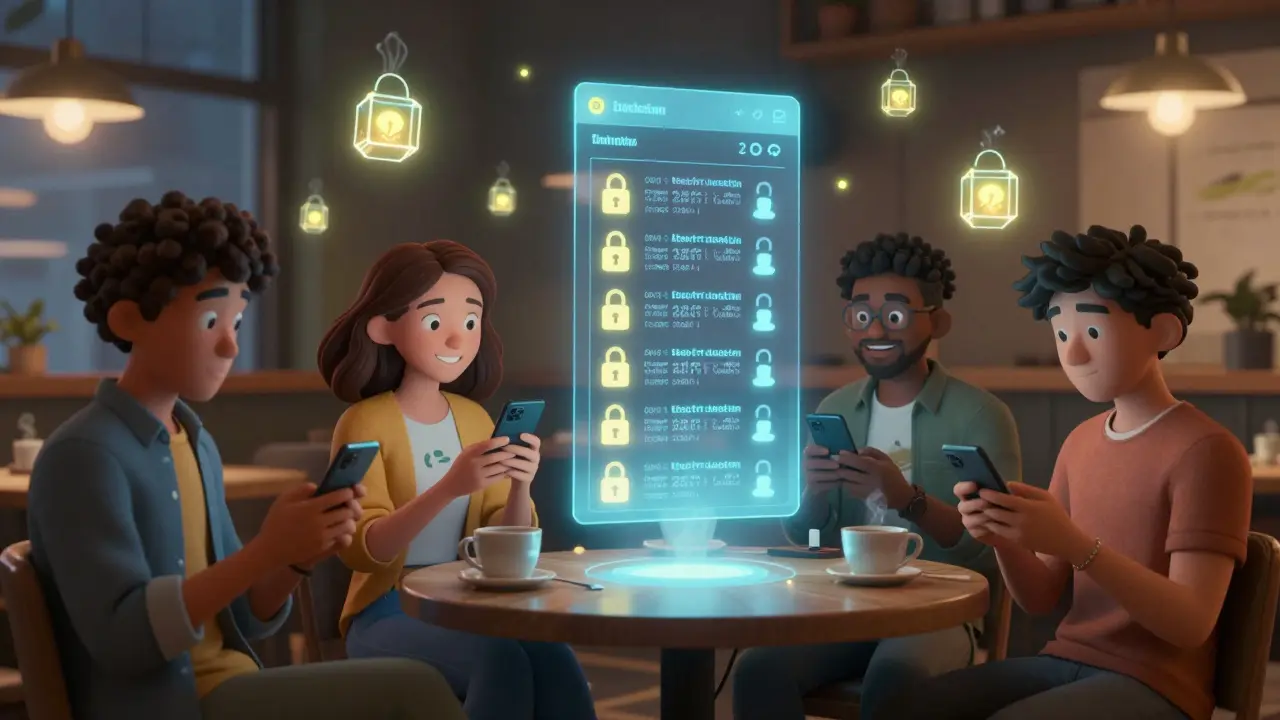
Future of Blockchain Electoral Systems: Can Blockchain Really Secure Voting?
Blockchain voting promises secure, transparent elections - but real-world tests show mixed results. Learn how it works, where it’s being used, and why paper backups are still essential.