Unbanked Crypto: How Cryptocurrency Is Reaching People Outside the Banking System
When we talk about the unbanked, people without access to traditional banking services like savings accounts, loans, or payment systems. Also known as financially excluded, they make up nearly 1.4 billion adults worldwide—many in places where banks won’t serve them, or the cost is too high. Cryptocurrency isn’t just for traders in New York or investors in Tokyo. It’s becoming a lifeline for people in Cuba, Nigeria, Venezuela, and rural parts of Southeast Asia who can’t use banks but can use a phone.
This isn’t magic—it’s practical. If you can’t open a bank account because you lack ID, decentralized identifiers, digital identities you own without needing a government or company to approve you let you prove who you are using just your wallet. If your country’s currency is collapsing, blockchain-based finance, systems that move money without banks, using peer-to-peer networks lets you store value in Bitcoin or stablecoins. And if remittances cost 7% to send home? Crypto cuts that to under 1%.
The posts below show how this is already happening. You’ll see how Cubans are using crypto despite government pressure, how people bypass exchange restrictions to access global markets, and how fake platforms like IslandSwap prey on those desperate for financial access. You’ll also find real tools—like DID standards and privacy-preserving identity verification—that help the unbanked stay safe while transacting. This isn’t theory. It’s people in the field using crypto to eat, pay bills, and send money to family.
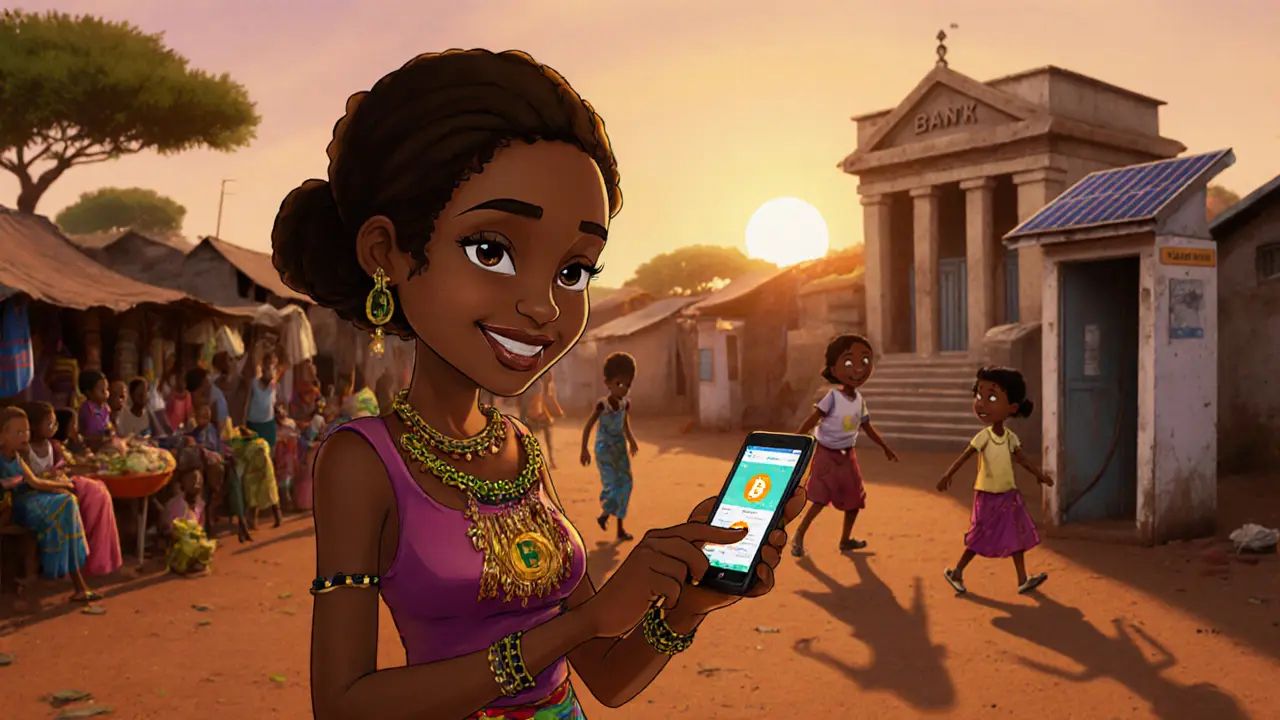
How Cryptocurrency Is Helping the Unbanked in Developing Countries
Cryptocurrency is giving millions in developing countries access to money for the first time-no bank account needed. From remittances to inflation protection, it's changing how people survive and grow.