 Oct, 11 2026
Imagine waking up to find your life savings vanished overnight. Not due to a market crash, but because the exchange holding your money simply pulled the plug and ran away with it. This isn't a hypothetical nightmare; it happened to over 400,000 users of Thodex, a cryptocurrency exchange that became synonymous with one of the largest crypto exit scams in history. Founded in Turkey in 2017, Thodex promised secure trading and high liquidity, only to disappear in April 2021, allegedly taking approximately $2 billion in user funds with its founder.
If you are researching Thodex today, you aren't looking for a platform to trade on-you're likely investigating what went wrong, who was responsible, or how this event changed the landscape for digital asset investors. This review breaks down the rise and catastrophic fall of Thodex, analyzing why it failed, the legal aftermath, and the critical lessons every crypto investor needs to learn from this disaster.
The Rise of Turkey's Crypto Gateway
To understand the magnitude of the collapse, you first need to grasp how big Thodex actually got. Launched by Faruk Fatih Özer in 2017, the exchange positioned itself as the primary bridge between the Turkish lira and major cryptocurrencies like Bitcoin and Ethereum. At the time, Turkey was experiencing significant economic volatility, with the lira losing value against the dollar. Many citizens sought refuge in digital assets, and Thodex capitalized on this fear by offering a user-friendly interface and aggressive marketing campaigns.
By early 2021, Thodex reported serving more than 400,000 registered users. It processed an estimated $500 million in daily trading volume at its peak, capturing roughly 60% of Turkey’s domestic crypto market. The platform offered features that seemed attractive to retail investors: low trading fees, easy fiat deposits via bank transfer, and promotional incentives. For many inexperienced investors, Thodex wasn't just an exchange; it was their first introduction to the world of blockchain technology. They trusted the brand because it felt local, accessible, and responsive-until it wasn't.
The April 2021 Collapse
The end came swiftly and without warning. On April 21, 2021, Thodex abruptly suspended all trading operations. The official statement cited "outside investment negotiations" as the reason for the temporary pause. Users were told to wait. But when they tried to log in the next day, the website was offline. Support channels went silent. Emails bounced back unanswered. Social media feeds flooded with panic as thousands of users realized they could no longer access their funds.
It quickly became clear this wasn't a technical glitch. Reports emerged that Faruk Fatih Özer had fled Turkey. He allegedly escaped to Albania, carrying with him billions in customer assets. The scale of the theft shocked the global crypto community. While smaller rug pulls happen frequently, a $2 billion heist from a regulated-looking entity was unprecedented. The complete disappearance of the platform's infrastructure suggested deliberate dismantling rather than operational failure. There was no cold storage recovery plan, no insurance payout, and no transparent audit trail left behind.
| Metric | Status Pre-Collapse (Early 2021) | Status Post-Collapse (Current) |
|---|---|---|
| Registered Users | 400,000+ | Locked out / Legal claimants |
| Estimated Funds Stolen | N/A | ~$2 Billion USD |
| Operational Status | Active Trading | Defunct / Offline |
| Founder Location | Istanbul, Turkey | Albania (Arrested Aug 2022) |
| Regulatory Oversight | Minimal | Subject to MASAK Investigation |

Why Did Thodex Fail? Red Flags Ignored
In hindsight, the warning signs were glaring. Analysts now classify Thodex as a classic example of an illegitimate exchange operating in a regulatory gray zone. Unlike established competitors such as Binance or Coinbase, Thodex lacked several fundamental safeguards that protect user capital.
- Lack of Regulatory Compliance: In 2021, Turkey had very few specific laws governing crypto exchanges. Thodex operated with minimal oversight, meaning there was no external body auditing its reserves or enforcing segregation of client funds.
- Opaque Fee Structures: While advertised as low-cost, withdrawal restrictions and hidden fees often trapped users' money inside the platform, making it difficult to move assets to self-custody wallets.
- No Proof of Reserves: Legitimate exchanges regularly publish proof-of-reserve audits to show they hold enough assets to cover user balances. Thodex never provided transparent, third-party verification of its holdings.
- Poor Security Protocols: The sudden halt in withdrawals suggests that the exchange did not have sufficient liquidity. When users rushed to cash out, the system couldn't handle the demand, revealing that the funds weren't actually there.
The core issue wasn't just bad luck; it was a structural failure of trust. Thodex relied on the assumption that new deposits would continue to flow in, allowing them to pay out early withdrawers-a hallmark of Ponzi-like schemes. When confidence wavered, the house of cards collapsed.
Legal Aftermath and Recovery Efforts
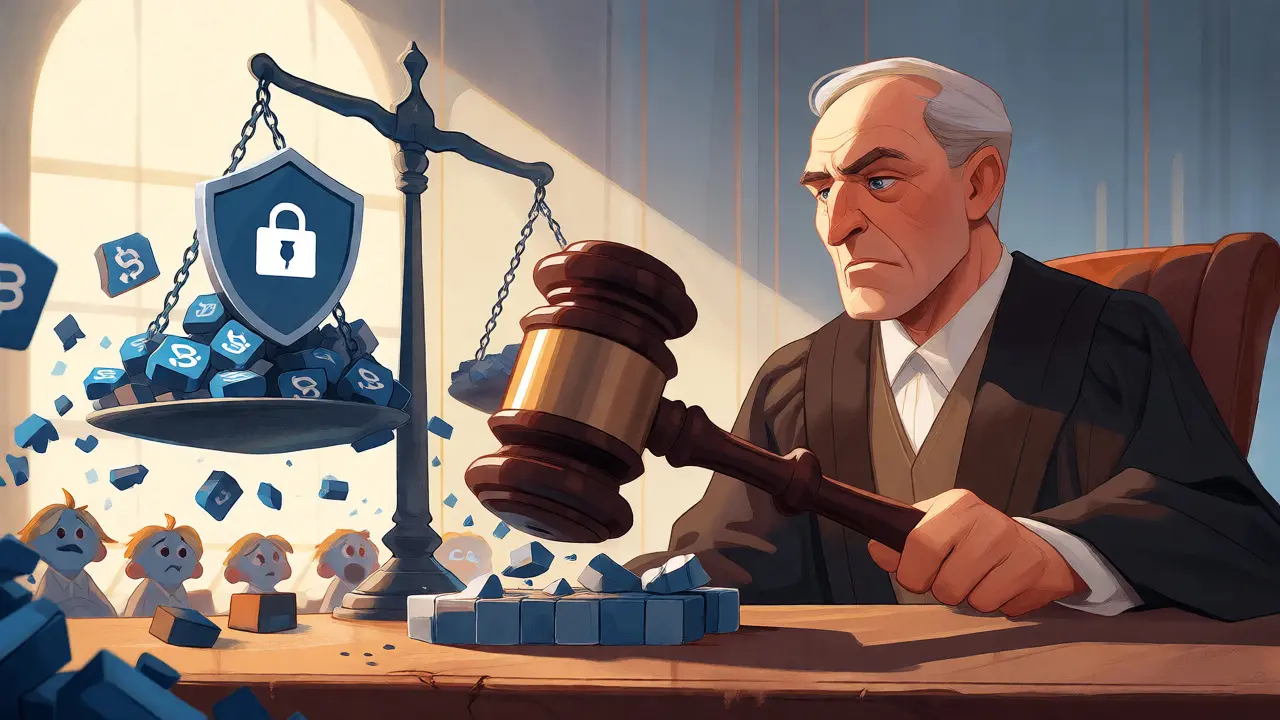
The fallout from the Thodex scandal triggered immediate legal action in Turkey. The Financial Crimes Investigation Board (MASAK) launched a comprehensive investigation into the movement of funds. Interpol issued a red notice for Faruk Fatih Özer, leading to his arrest in Albania in August 2022. His extradition back to Turkey marked a significant step in the judicial process, though it did little to reassure victims about getting their money back.
Recovery rates remain grim. Industry experts estimate that less than 5% of the stolen $2 billion will be recovered through asset seizures and legal proceedings. The complexity of tracing crypto transactions across borders, combined with the speed at which funds were laundered, makes full restitution unlikely for most users. Legal battles are expected to span five to seven years, leaving thousands of investors in limbo.
This case also forced Turkey to rethink its approach to digital assets. The government introduced stricter regulations in March 2022, mandating rigorous KYC (Know Your Customer) and AML (Anti-Money Laundering) procedures for all crypto service providers. These changes aimed to prevent another Thodex-style incident by ensuring that exchanges maintain proper licensing and transparency standards.
Lessons for Crypto Investors
What can we learn from Thodex? If you are active in the crypto space, treat this story as a mandatory case study in due diligence. Here are practical steps to avoid similar pitfalls:
- Verify Regulatory Status: Always check if an exchange is licensed in your jurisdiction. Unregulated platforms carry significantly higher risk.
- Demand Proof of Reserves: Look for exchanges that undergo regular, independent audits. Transparency should be non-negotiable.
- Test Withdrawals Early: Don't deposit large sums until you've successfully withdrawn small amounts. Test the platform's reliability before committing significant capital.
- Use Self-Custody: Remember the mantra: "Not your keys, not your coins." Keeping large holdings in hardware wallets protects you from exchange insolvency or fraud.
- Research the Team: Investigate the founders' backgrounds. Are they public figures with verifiable track records, or do they hide behind anonymity?
Thodex serves as a stark reminder that convenience often comes at the cost of security. While centralized exchanges offer ease of use, they introduce counterparty risk. The collapse didn't just hurt individual portfolios; it damaged trust in the entire sector, pushing many investors toward decentralized finance (DeFi) solutions or larger, globally recognized platforms with stronger balance sheets.
Is Thodex still operational?
No, Thodex ceased operations in April 2021. The website is offline, and the platform is considered defunct following the exit scam allegations.
Who stole the money from Thodex?
Faruk Fatih Özer, the founder of Thodex, is accused of fleeing Turkey with approximately $2 billion in user funds. He was arrested in Albania in August 2022.
Can I get my money back from Thodex?
Full recovery is unlikely. Estimates suggest less than 5% of the stolen funds may be recovered through legal proceedings. Most users have filed claims but face long litigation timelines.
How much did Thodex steal?
The exact amount varies by source, but reports indicate approximately $2 billion USD was missing from user accounts when the exchange shut down.
Did Thodex cause new crypto laws in Turkey?
Yes, the collapse accelerated the implementation of strict regulations in Turkey, including mandatory KYC/AML checks and prohibitions on using crypto for payments, effective March 2022.