 May, 30 2026
Remember when every new game token promised to make you rich overnight? In late 2022, ArchLoot was one of those names everyone talked about. The token, known by its ticker **AL**, hit an all-time high of $1.85. Fast forward to today, and that price looks like a distant memory. But does that mean the project is dead? Not necessarily. It means we need to look past the hype and understand what ArchLoot actually is, how it works, and whether it still has value for gamers and investors alike.
If you are wondering why your portfolio dropped or if this game is worth your time in 2026, you are not alone. The landscape of blockchain gaming has shifted dramatically since the initial launch. This guide breaks down the reality of ArchLoot, stripping away the marketing fluff to show you the mechanics, the risks, and the current state of the ecosystem.
Is ArchLoot still active?
Yes, ArchLoot remains active on the BNB Chain with ongoing trading volume and gameplay features like PVE, PVP, and Clan Wars, though it operates at a fraction of its peak valuation.
The Core Concept: More Than Just a JPEG
To understand ArchLoot, you first have to forget everything you know about typical profile picture (PFP) NFTs. Those static images don't change. They sit in your wallet looking pretty, but they do nothing. ArchLoot takes a different approach. It is built around interactive, upgradeable NFTs that represent modular body parts and equipment for RPG avatars.
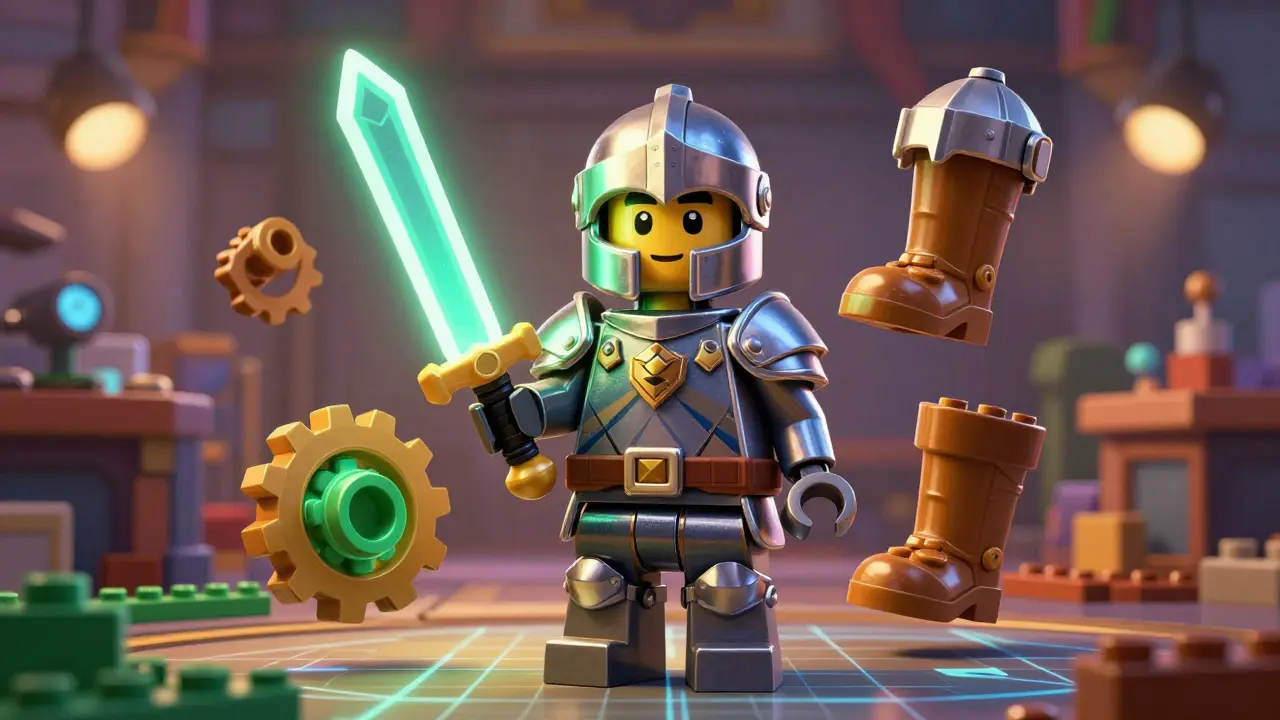
Think of it like collecting Lego bricks instead of buying a finished statue. Each piece-whether it’s a sword, a helmet, or a pair of boots-is an individual NFT. You assemble these pieces to create a character. But here is the kicker: as you play the game, train your character, or win battles, the attributes of those specific NFTs change. Their stats go up. Their rarity might shift. These changes are recorded directly on the blockchain, not just on a central server controlled by the developers.
This technology relies on specific standards. While most NFTs use the basic ERC-721 standard, ArchLoot utilizes a combination of EIP-4985 and BEP-129. These protocols allow for dynamic metadata. In plain English, this means the NFT itself knows it has leveled up. If you sell that sword later, the buyer gets a sword with higher stats, verified by the code, not just a promise from the game developer. This creates a truly composable economy where users can trade individual components rather than entire characters.
The AL Token: Governance and Rewards
Every crypto game needs a currency, and ArchLoot uses the **AL** token. But what does it actually do? Currently, AL serves two primary functions: governance and rewards.
As a governance token, AL holders theoretically have a say in the future of the platform. However, detailed information on active voting mechanisms or proposal systems is sparse in public documentation. For now, the more immediate utility lies in rewards. The game offers a Monthly Pass system. Players who purchase this pass earn enhanced amounts of both AL tokens and an in-game soft currency called ALG (sometimes referred to as ALT in older docs).
Here is the supply breakdown you need to know:
- Max Supply: 1,000,000,000 AL tokens.
- Total Supply: Approximately 992.46 million AL.
- Circulating Supply: Estimates vary between 760 million and 851 million, depending on the data source.
The difference between the max supply and total supply suggests some tokens have been burned or locked. This deflationary pressure is designed to support the price, but only if demand keeps up with the reward emissions. With nearly 80% of the max supply already in circulation, new buyers are competing against a significant amount of existing inventory.
Market Reality: Price Volatility and Data Discrepancies
Let’s talk numbers, because this is where things get tricky. If you check different crypto tracking sites right now, you might see wildly different prices for AL. One site might show $0.002, while another shows $0.08. Why the massive gap?
It comes down to liquidity and data aggregation. ArchLoot trades on multiple exchanges, including major platforms like Coinbase and various decentralized venues on the BNB Chain. Some aggregators pull data from deeper order books, while others rely on spot prices from less liquid pairs. This discrepancy isn’t unique to ArchLoot, but it is extreme here due to the token’s history.
| Data Source | Approximate Price Range | 24h Volume | Note |
|---|---|---|---|
| CoinMarketCap | $0.0028 - $0.0031 | ~$715k | Reflects lower liquidity pools; shows ~99.8% drop from ATH |
| CoinGecko | $0.083 - $0.092 | ~$4.9M | Aggregates higher-volume markets; shows recent recovery trends |
| Coinbase | ~$0.084 | N/A | Major CEX listing; implies higher institutional visibility |
The All-Time High (ATH) was $1.85 in November 2022. Today, regardless of which tracker you trust, the token is down over 95% from that peak. This is a harsh reality for early investors. However, for new entrants, it also means the entry barrier is incredibly low. You are buying into a project that has survived the bear market, backed by significant funding.
ArchLoot raised approximately $17 million in funding. Its backers include heavyweights like Binance NFT, YGG SEA (a major gaming guild), and FOTA. This level of backing suggests the team had serious resources to build out their infrastructure, even if the market sentiment cooled off rapidly after launch.
Gameplay Mechanics: Free-to-Play vs. Pay-to-Win?
One of ArchLoot’s main selling points is accessibility. The official stance is "zero gating factor." You can start playing without buying any NFTs or tokens. This is crucial for attracting Web2 gamers who are intimidated by crypto wallets.
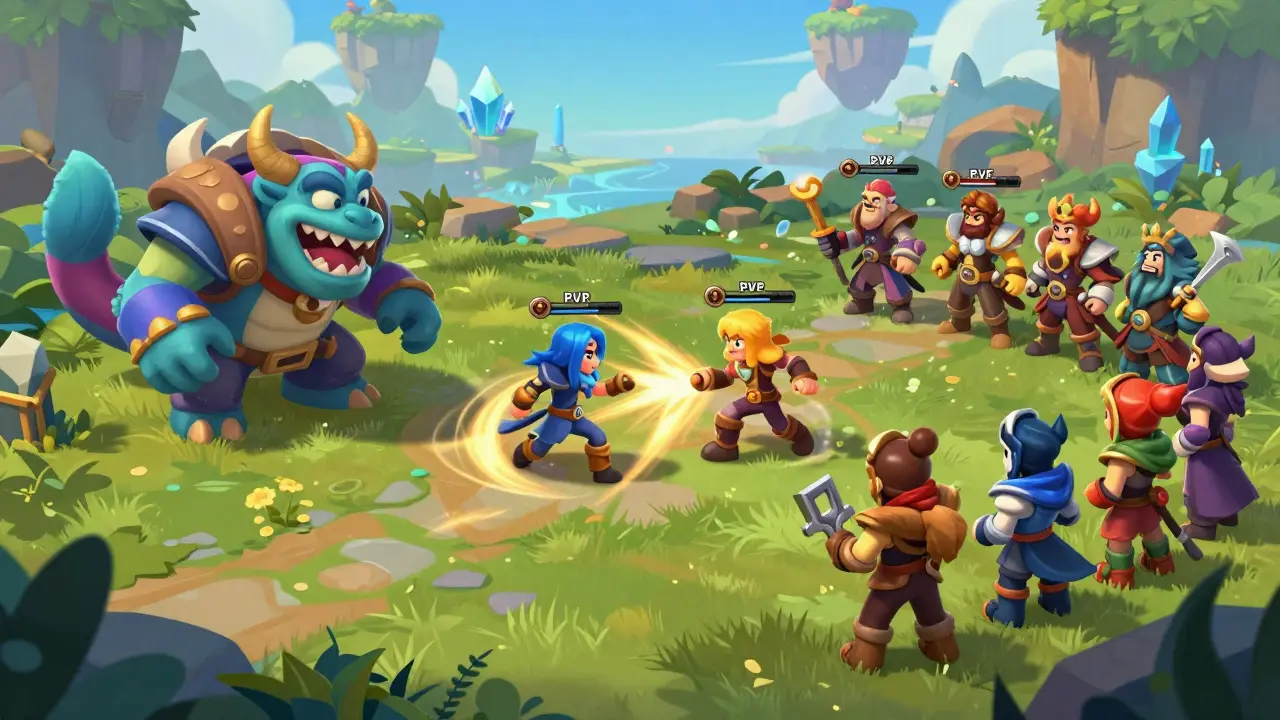
The gameplay loop involves three main modes:
- PVE (Player vs. Environment): Fight monsters, complete quests, and earn experience. This is where you grind to level up your NFT parts.
- PVP (Player vs. Player): Compete against other players. Your avatar’s stats, determined by your NFT gear, matter here.
- Clan Wars: Team-based battles that add a social layer to the competition.
While you can play for free, the earning potential is limited. To maximize income in AL and ALG, you need to buy rare NFT body parts and the Monthly Pass. This creates a classic tension in play-to-earn games: Is it fair for free players? Or does it become a pay-to-win scenario where only those who invest heavily can compete effectively in PVP?
Currently, there is no transparent public data on player retention rates or daily active users. Without these metrics, it is hard to judge the health of the community. Are people logging in daily to grind, or is the user base shrinking? The lack of curated user reviews on major platforms makes this a blind spot.
Risks and Considerations for Investors
If you are considering buying AL, you must understand the risks. First, the volatility is extreme. As shown in the table above, price discrepancies between exchanges can be massive. Slippage-the difference between the expected price of a trade and the price at which the trade executes-can eat into your profits if you aren’t careful.
Second, the tokenomics are partially opaque. We know the supply, but we don’t have clear details on vesting schedules for the team or investors. When will locked tokens unlock? How much AL is allocated to the treasury versus marketing? These answers affect long-term supply pressure.
Third, the regulatory environment for NFTs and gaming tokens is evolving. Projects that blur the line between utility tokens and securities face scrutiny. ArchLoot’s model, which promises earnings based on gameplay and purchases, sits in this gray area.
Finally, consider the competition. The NFT gaming space is crowded. Projects like Axie Infinity, Illuvium, and The Sandbox have larger ecosystems and more established communities. ArchLoot’s niche is its technical innovation with interactive NFTs, but technology alone doesn’t guarantee success. User adoption is key.
How to Get Started Safely
If you decide to dive in, follow these steps to protect yourself:
- Use a Secure Wallet: Since ArchLoot is on the BNB Chain, you’ll need a wallet like MetaMask or Trust Wallet configured for BNB Smart Chain. Never share your seed phrase.
- Verify Contract Addresses: Always double-check the AL token contract address on official sources like CoinGecko or the ArchLoot website before swapping. Scammers often create fake tokens with similar names.
- Start Small: Given the price volatility and data discrepancies, start with an amount you can afford to lose. Treat it as entertainment expense, not an investment.
- Check Liquidity: Before trading, look at the order book on your chosen exchange. Thin liquidity means large trades can crash the price.
- Understand the Game: Play the free version first. See if you enjoy the mechanics before spending money on NFTs or passes.
Conclusion: Is ArchLoot Worth It in 2026?
ArchLoot is not a dead project, but it is not the unicorn it was promised to be in 2022. It stands as an interesting experiment in interactive NFTs on the BNB Chain. The technology behind EIP-4985 and BEP-129 is genuinely innovative, allowing for true on-chain progression. The backing from Binance and YGG provides a layer of credibility.
However, the financial returns have been disappointing for early adopters, and the path to profitability for new players is unclear. The gap between free-to-play fun and paid-to-earn efficiency remains wide. If you are a gamer who loves customizing characters and doesn’t mind the complexity of blockchain assets, ArchLoot offers a unique experience. If you are purely chasing quick profits, the risk-reward ratio currently favors caution.
The crypto market moves fast. What matters is not where the price was in 2022, but where the project is heading. Keep an eye on updates regarding governance implementation, new game seasons, and partnerships. Until then, proceed with curiosity, but keep your expectations grounded.
What is the difference between AL and ALG?
AL is the primary governance and reward token traded on exchanges. ALG (or ALT) is an in-game soft currency used for daily operations and minor upgrades within the ArchLoot ecosystem. You typically earn both through gameplay and Monthly Passes.
Can I play ArchLoot for free?
Yes, ArchLoot offers a free-to-enter model. You can start playing PVE and basic modes without buying NFTs. However, purchasing NFT body parts and a Monthly Pass significantly enhances your earning potential and competitive edge in PVP.
Why are there different prices for AL on different websites?
Price discrepancies arise due to varying liquidity across exchanges and different data aggregation methods. Some trackers prioritize deep order books while others show spot prices from smaller venues. Always check multiple sources and verify the specific exchange rate before trading.
What blockchain is ArchLoot built on?
ArchLoot is built on the BNB Chain (formerly Binance Smart Chain). This allows for low transaction fees and fast block times, which are essential for frequent on-chain updates to NFT metadata during gameplay.
Who backs the ArchLoot project?
ArchLoot has raised approximately $17 million and is backed by notable entities including Binance NFT, YGG SEA (a leading gaming guild), and FOTA. This support highlights its significance in the NFT gaming sector despite market volatility.
Are ArchLoot NFTs upgradeable?
Yes, unlike static NFTs, ArchLoot NFTs are interactive and upgradeable. Using EIP-4985 and BEP-129 standards, changes to avatar stats and skills are recorded directly on the blockchain, ensuring ownership of improved attributes.