 Jun, 9 2026
Buying Bitcoin or USDT with Naira used to feel like walking through a minefield. You’d find a seller on Telegram, hope they didn’t vanish after you sent the bank transfer, and pray the Central Bank of Nigeria (CBN) hadn’t blocked your account that morning. That era is officially over.
In 2025 and moving into 2026, P2P crypto trading in Nigeria has shifted from a risky gray market activity to a regulated financial channel. The passage of the Investments and Securities Act (ISA 2025) gave the Securities and Exchange Commission (SEC) clear authority to regulate digital assets. This means platforms like Binance, Bybit, and local players like Busha are now operating under strict compliance rules. For you, this translates to safer transactions, faster payouts, and fewer scams-but it also means stricter identity checks.
If you’re looking to trade crypto in Nigeria today, you need to know which platforms actually work, how much they charge, and how to avoid the new types of fraud emerging in this regulated space. Here is what you need to know to trade safely and efficiently in 2026.
Why P2P Is Still King in Nigeria
You might wonder why people still use Peer-to-Peer (P2P) trading when banks are allowed to service crypto businesses again. The answer is simple: speed and cost.
Traditional remittances and currency exchanges in Nigeria have historically carried fees up to 8% per transaction. In contrast, P2P platforms allow you to buy and sell directly with other users using local payment methods like direct bank transfers, USSD codes, or mobile money. While inflation hit over 24% in 2023 and the Naira lost significant value against the dollar, crypto became a vital hedge. Even as regulations stabilize, P2P remains the fastest way to move money across borders or convert Naira to stablecoins like USDT without waiting days for bank approvals.
Currently, about 68% of all crypto activity in Nigeria happens via P2P channels, compared to a global average of just 29%. This isn’t just about speculation; it’s about daily survival and business operations. With 36% of Nigerian adults still unbanked, P2P platforms offer a financial lifeline that traditional banking infrastructure hasn’t fully replaced yet.
Top P2P Platforms in Nigeria: A Practical Comparison
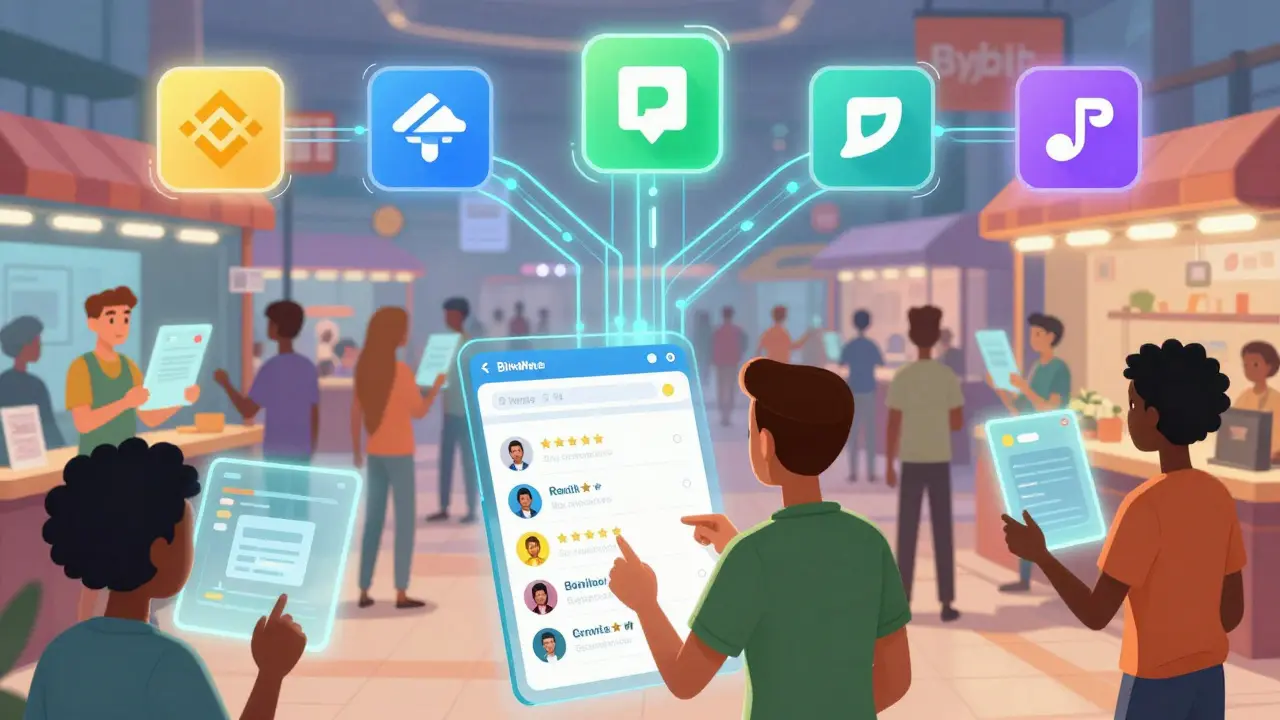
Not all platforms are created equal. Some prioritize speed, others focus on security, and some offer better rates depending on the time of day. Based on user data from early 2026, here are the top contenders you should consider.
| Platform | Key Strength | Fees | Avg. Transaction Time | Best For |
|---|---|---|---|---|
| Binance P2P | Highest liquidity & dispute resolution | 0.1% taker/maker | 5-10 minutes | Daily traders & large volumes |
| Bybit | Local language support (Yoruba/Igbo/Hausa) | Competitive maker/taker fees | 5-15 minutes | Users needing local customer support |
| YellowCard | Zero trading fees & instant withdrawals | 0% trading fee | <3 minutes | Beginners & frequent small trades |
| Breet | Fastest bank payouts | Low platform fees | <3 minutes | Urgent cash-outs |
| Busha | First SEC-licensed exchange | Standard exchange fees | 2-10 minutes | Regulatory-compliant institutional users |
Binance P2P dominates the market with roughly 45% share. Its strength lies in its sheer volume-there’s always a buyer or seller available at a competitive rate. However, it requires thorough KYC (Know Your Customer) verification, which can slow down first-time users by up to 40%.
YellowCard is a favorite among locals because it charges zero trading fees and offers instant Naira withdrawals. It also provides educational content in local languages, which helps beginners understand how to trade safely. Keep in mind that during high volatility, price discrepancies can reach up to 2.7%, so check the spread before locking in a trade.
Bybit stands out for its customer service. If you prefer speaking to support agents in Yoruba, Igbo, or Hausa, Bybit is one of the few platforms offering 24/7 assistance in these languages. This reduces friction when disputes arise, a critical factor in P2P trading.
How ISA 2025 Changed the Game
The regulatory landscape flipped dramatically with the ISA 2025 framework. Before this, the CBN had banned banks from servicing crypto firms, forcing everything underground. Now, the SEC regulates digital assets, and banks can interact with licensed platforms.
This shift has reduced scam incidents by approximately 63% compared to late 2024. Platforms like Busha, the first to receive full SEC licensing, offer peace of mind for larger transactions. They conduct quarterly security audits and maintain internal compliance teams. For most retail users, this means your funds are less likely to be frozen arbitrarily, and dispute resolution mechanisms are more robust.
However, regulation comes with strings attached. As of late 2025, the SEC mandated real-time transaction monitoring systems for all platforms. This means your trades are being tracked for anti-money laundering (AML) compliance. If you’re trading legitimate funds, this is good news. If you’re trying to hide illicit flows, the door is closing fast.
Safety First: Avoiding Scams in 2026
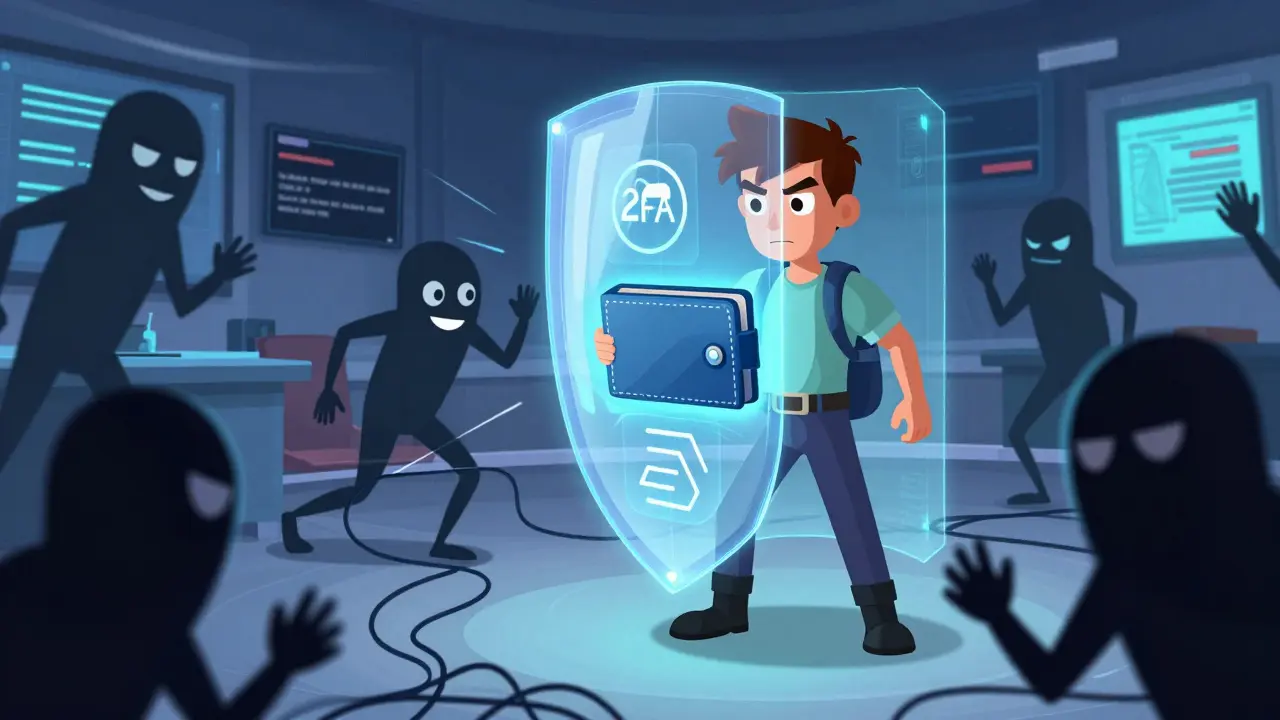
Even with regulation, scams haven’t disappeared-they’ve just evolved. According to the Economic and Financial Crimes Commission (EFCC), 22% of reported fraud cases in mid-2025 involved impersonation of verified sellers. Here’s how to protect yourself:
- Never release crypto before seeing bank confirmation. Screenshots can be faked. Log into your own banking app to verify the deposit has cleared.
- Enable Two-Factor Authentication (2FA). Research shows 68% of Nigerian users disable 2FA due to SMS delivery issues, making them vulnerable. Use an authenticator app like Google Authenticator instead of SMS.
- Stick to the platform’s chat. Moving conversations to WhatsApp or Telegram removes the platform’s ability to mediate disputes if something goes wrong.
- Check seller reputation. Look for sellers with over 100 completed orders and a completion rate above 95%. New accounts with low history are higher risk.
One common trap is the “overpayment” scam, where a buyer claims they sent too much money and asks you to refund the difference. Do not do this. Only release crypto for the exact amount agreed upon in the order.
Step-by-Step: How to Execute Your First Trade
If you’re new to P2P trading, the process can seem intimidating. Here’s a simplified guide to buying USDT or Bitcoin safely:
- Create and Verify Your Account. Download the app (Android 8.0+ or iOS 13+ required). Complete KYC verification by uploading your BVN-linked ID and taking a selfie. This step takes 2-3 hours for most beginners.
- Choose Your Payment Method. Select “Buy” and choose your preferred method (e.g., GTBank, Access Bank, or USSD). Ensure the seller accepts this method.
- Select a Seller. Filter by “Verified” and “High Completion Rate.” Check their recent feedback comments.
- Place the Order. Enter the amount in Naira. The platform will lock the seller’s crypto in escrow. Note the exact amount to send and the bank details provided.
- Make the Payment. Send the exact Naira amount to the seller’s bank account. Add a remark if requested (some sellers require your username as a reference).
- Confirm Payment in the App. Click “Transferred, Waiting for Seller to Receive.” Do not release the crypto yourself.
- Wait for Release. Once the seller confirms receipt, the escrow releases the crypto to your wallet. This usually takes 2-5 minutes.
If the seller doesn’t confirm within the allotted time, raise a dispute immediately. Platforms like Binance have an 89% satisfaction rate for dispute resolution, but acting fast is crucial.
Common Pitfalls and How to Fix Them
Even experienced traders face hiccups. Here are the most common issues and solutions based on user reports from 2025-2026:
- Payment Verification Delays: About 65% of users report delays here. Solution: Use direct bank transfers rather than third-party apps. Avoid sending money from a different name than your verified account.
- Fluctuating Rates: Prices change every second. Solution: Don’t leave orders open for long periods. If the rate drops significantly while you’re paying, cancel and restart the order.
- Escrow Freezes: During CBN compliance checks, escrows can freeze for 72+ hours. Solution: Keep small amounts in your crypto wallet for emergencies so you’re not stuck waiting for a release.
Future Outlook: What’s Next for Nigerian Crypto?
The market is growing fast. Valued at $2.3 billion in 2025, the Nigerian crypto ecosystem is projected to reach $5.1 billion by 2027. Institutional participation is expected to rise by 40-50% in 2026 as regulatory clarity attracts traditional financial players.
For individual traders, this means more competition among platforms, which should drive fees down and improve service quality. However, expect tighter scrutiny on large transactions. The SEC aims to have 35-40 licensed platforms by the end of 2025, up from just 12 provisional licenses earlier in the year. Stick to licensed platforms to ensure your assets remain protected as the market matures.
Is P2P crypto trading legal in Nigeria in 2026?
Yes. Under the Investments and Securities Act (ISA 2025), P2P trading is legal and regulated by the Securities and Exchange Commission (SEC). Banks are allowed to service licensed crypto businesses, making transactions safer and more transparent than in previous years.
Which P2P platform is best for beginners in Nigeria?
YellowCard is often recommended for beginners due to its zero trading fees, instant withdrawals, and extensive educational content in local languages. Binance P2P is also a strong choice for its robust dispute resolution system, though it requires more rigorous initial verification.
How do I avoid scams on P2P platforms?
Always trade within the platform’s official interface. Never release crypto until you see the funds in your own bank account (not just a screenshot). Enable two-factor authentication (2FA) using an authenticator app, and only trade with verified sellers who have high completion rates and positive feedback.
What are the fees for P2P trading on Binance and Bybit?
Binance P2P typically charges a 0.1% taker/maker fee. Bybit offers competitive fee structures similar to Binance, often with promotional rates for new users. YellowCard charges zero trading fees but may have slightly wider spreads between buy and sell prices.
Can I use my BVN for crypto trading?
Yes. Since the reversal of the CBN’s ban, banks can service licensed crypto businesses. Using a BVN-linked bank account is standard practice for KYC verification and ensures smoother transactions without the risk of arbitrary account freezes associated with unverified methods.
Why does my P2P transaction take longer than expected?
Delays can occur due to bank processing times, especially during peak hours or weekends. Additionally, if you’re a new user, enhanced verification checks may slow down the process. To speed things up, use direct bank transfers and ensure your account name matches the payment sender exactly.
Is Busha a safe platform for crypto trading?
Yes, Busha is considered very safe as it was the first exchange to receive full licensing from the SEC under the ISA 2025 framework. It conducts regular security audits and complies with all regulatory requirements, making it ideal for users prioritizing regulatory compliance.
What cryptocurrencies can I trade on P2P platforms in Nigeria?
Most major platforms support Bitcoin (BTC), Tether (USDT), Ethereum (ETH), and sometimes Solana (SOL) or BNB. Binance supports over 500 cryptocurrencies, while Remitano focuses primarily on Bitcoin. Always check the specific asset availability on the platform you choose.